Blog
Calcium Hypochlorite SDS: Complete Safety Data Sheet Guide
Calcium hypochlorite is a powerful oxidizing agent widely used for water disinfection, swimming pool treatment, and industrial sanitization. Because it reacts vigorously with organic materials, ammonia, and other chemicals, proper handling is essential to prevent fires, toxic gas release, and chemical burns. This guide summarizes the key information found in a Calcium Hypochlorite Safety Data Sheet (SDS) — formerly known as MSDS — to help handlers, warehouse managers, and safety officers understand the hazards and safe practices.
As a manufacturer of calcium hypochlorite granular and calcium hypochlorite tablets, Everglory Industrial provides this reference guide. For the official, product-specific SDS, please contact our team for the most current version.
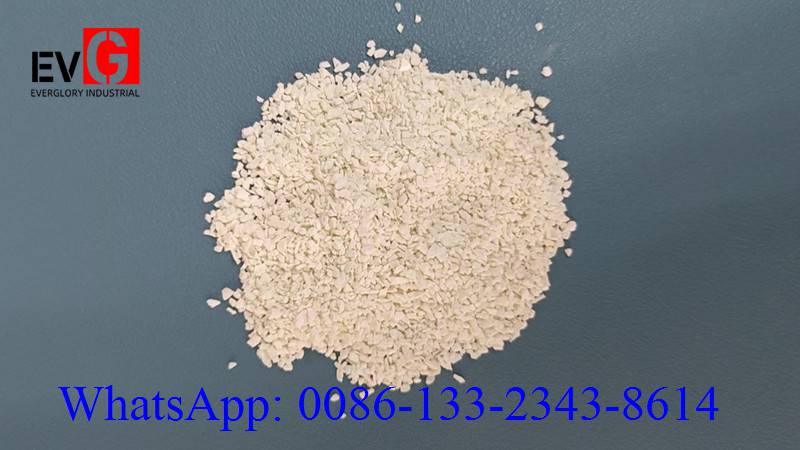
Section 1: Chemical Identification
| Product Name | Calcium Hypochlorite |
| Chemical Name | Calcium hypochlorite |
| Synonyms | Cal hypo, bleaching powder, HTH, perchloron |
| CAS Number | 7778-54-3 |
| Molecular Formula | Ca(ClO)₂ |
| Molecular Weight | 142.98 g/mol |
| UN Number | UN 2880 (Class 5.1, PG II) |
| EINECS Number | 231-908-7 |
| Available Chlorine | 65% – 75% |
Section 2: Hazard Identification
Calcium hypochlorite is classified as a strong oxidizer and poses multiple hazards:
| Hazard Category | GHS Symbol | Description |
|---|---|---|
| Oxidizing (Category 1) | Flame over circle | May cause fire or explosion — strong oxidizer |
| Skin Corrosion (Category 1B) | Corrosion | Causes severe skin burns and eye damage |
| Acute Toxicity (Category 3) | Exclamation mark | Harmful if swallowed |
| Specific Target Organ Toxicity | Health hazard | May cause respiratory irritation |
| Aquatic Toxicity (Category 1) | Environment | Very toxic to aquatic life |
GHS Signal Word: DANGER
Hazard Statements:
- H272: May intensify fire — oxidizer
- H314: Causes severe skin burns and eye damage
- H302: Harmful if swallowed
- H335: May cause respiratory irritation
- H400: Very toxic to aquatic life
Section 3: Personal Protective Equipment (PPE)
When handling calcium hypochlorite, the following PPE is mandatory:
- Eye Protection: Chemical safety goggles or full face shield (not safety glasses alone)
- Skin Protection: Chemical-resistant gloves (nitrile or neoprene, minimum 0.3mm thickness), full-length protective clothing, and chemical-resistant apron
- Respiratory Protection: NIOSH-approved N95 or P100 respirator for dust; full-face respirator with P100 cartridge for high-exposure situations or spill response
- Foot Protection: Chemical-resistant boots (no open-toe shoes)
⚠️ Critical Safety Warning
Never use or store calcium hypochlorite near ammonia, urea, nitrogen fertilizers, acids, organic solvents, or combustible materials. Contact between calcium hypochlorite and these substances can cause violent reactions, fires, and explosions — including the release of toxic chlorine gas and nitrogen trichloride (an explosive compound).
Section 4: Safe Handling Practices
- Work in a well-ventilated area — outdoor handling or mechanical exhaust ventilation is required to prevent dust inhalation and chlorine gas accumulation.
- Keep away from heat and ignition sources — calcium hypochlorite decomposes at temperatures above 175°C (347°F) and can self-ignite when contaminated.
- Use clean, dry tools — never use scoops or containers that have been used for other chemicals, especially ammonia-based products.
- Add chemical to water, never water to chemical — when preparing solutions, always add calcium hypochlorite to a large volume of water to prevent heat concentration and splashing.
- Wash hands thoroughly after handling, even when gloves were worn.
- Do not eat, drink, or smoke in areas where calcium hypochlorite is handled or stored.
Section 5: Storage Requirements
| Storage Temperature | Cool, dry (below 30°C / 86°F) |
| Humidity | Dry conditions (below 50% relative humidity ideal) |
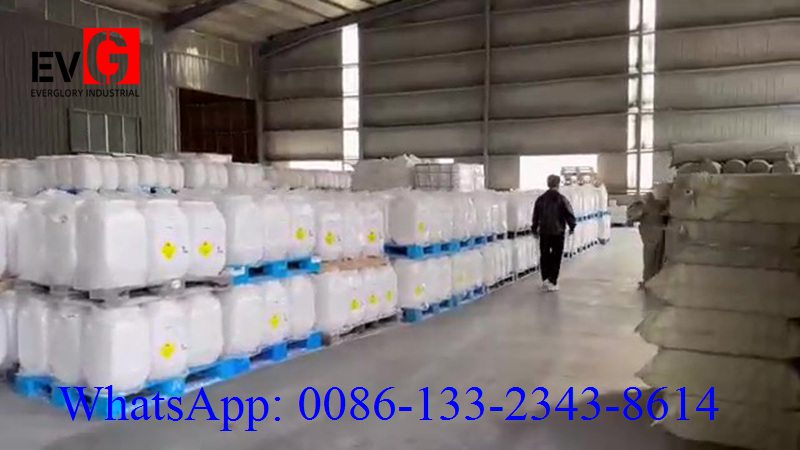
| Container | Original sealed plastic drums or HDPE containers |
| Ventilation | Well-ventilated storage area, no sealed containers (pressure buildup risk) |
| Shelf Life | 6–24 months under proper conditions |
| Incompatible Materials | Ammonia, acids, organic materials, reducing agents, combustibles, nitrogen compounds |
Store in a dedicated area separated from all other chemicals. Ensure the storage area has spill containment, emergency shower/eyewash station, and appropriate fire extinguishing media (water only — never use dry chemical or foam on calcium hypochlorite fires).
Section 6: First Aid Measures
| Exposure Route | Immediate Action |
|---|---|
| Eye Contact | Immediately flush eyes with copious amounts of water for at least 15–20 minutes, lifting upper and lower eyelids. Remove contact lenses if present. Seek immediate medical attention. |
| Skin Contact | Remove contaminated clothing immediately. Brush off dry chemical before flushing. Wash skin with plenty of water and soap for 15 minutes. Seek medical attention for chemical burns. |
| Inhalation | Move victim to fresh air immediately. If breathing is difficult, administer oxygen. If not breathing, perform artificial respiration (avoid mouth-to-mouth if chlorine gas exposure — use pocket mask). Seek immediate medical attention. |
| Ingestion | Do NOT induce vomiting. Rinse mouth with water. Drink 1–2 glasses of water or milk (if conscious). Never give anything by mouth to an unconscious person. Seek immediate medical attention or call poison control. |
Section 7: Spill and Disposal Procedures
Spill Response
- Evacuate the area and ventilate. Wear full PPE including respiratory protection.
- Do NOT use combustible materials (paper, cloth, sawdust) to absorb spills — this can cause fire.
- Collect dry spill with clean, non-combustible tools (plastic or metal scoop) into a clean, dry HDPE container.
- For small spills, dissolve in large amounts of water and neutralize slowly with sodium thiosulfate solution.
- Wash spill area thoroughly with water after cleanup.
- Report large spills to environmental authorities as required by local regulations.
Disposal
Dispose of calcium hypochlorite in accordance with local, regional, and national environmental regulations. Do not dispose of in regular trash. Contact a licensed hazardous waste disposal company. Product that has degraded or is contaminated must be treated as hazardous waste.
Frequently Asked Questions
What is the CAS number for calcium hypochlorite?
The CAS number for calcium hypochlorite is 7778-54-3. This is the universally recognized identifier used in SDS documents, chemical databases, and regulatory references. The UN number for shipping is UN 2880, classified as Class 5.1 (Oxidizing Substance), Packing Group II.
Can calcium hypochlorite explode?
Yes. While calcium hypochlorite itself is not explosive, it is a strong oxidizer that can cause fires and explosions when it comes into contact with organic materials, ammonia, acids, reducing agents, or combustible substances. Contamination with oils, solvents, or nitrogen compounds can lead to spontaneous ignition or explosion. Always store separately and handle with clean tools.
What is the shelf life of calcium hypochlorite?
Under proper storage conditions (cool, dry, well-ventilated, below 30°C), calcium hypochlorite has a shelf life of 6–24 months. It gradually decomposes, losing approximately 3–5% of available chlorine per month after the first six months. For applications requiring precise chlorine dosing, always verify the actual available chlorine content before use if the product is more than 6 months old.
What should I do if I mix calcium hypochlorite with acid?
Mixing calcium hypochlorite with acid produces toxic chlorine gas. Immediately evacuate the area, warn others, and move to fresh air. Call emergency services. Do not attempt to neutralize the mixture yourself. Seek medical attention if anyone has inhaled chlorine gas. Symptoms of chlorine gas exposure include coughing, chest tightness, burning eyes, and difficulty breathing.
How should calcium hypochlorite be stored during shipping?
Calcium hypochlorite must be shipped as UN 2880 (Class 5.1 Oxidizer, Packing Group II). It should be in sealed, moisture-proof HDPE drums (typically 40kg or 45kg). Shipping containers must be ventilated, and the product must be kept away from heat, organic materials, and incompatible chemicals. Follow IMDG Code for sea freight and IATA/ICAO restrictions for air freight (many carriers restrict or prohibit air shipment).