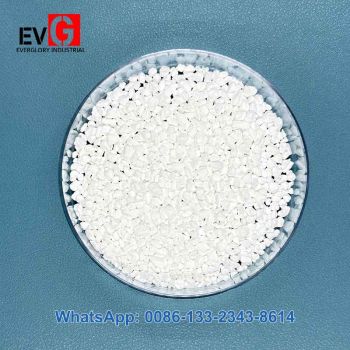
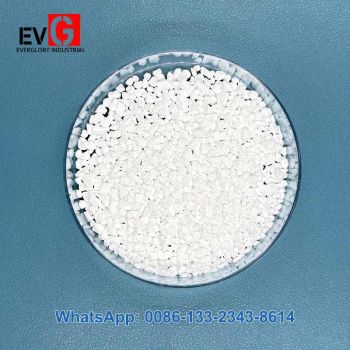
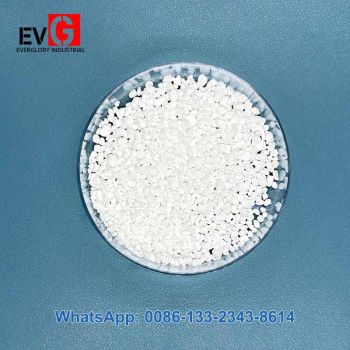
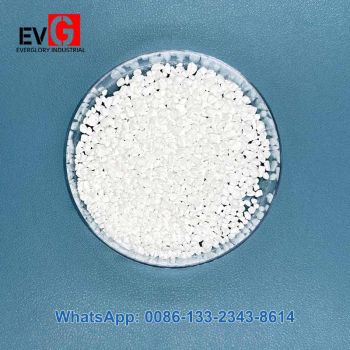
Calcium Hypochlorite (Cal Hypo)


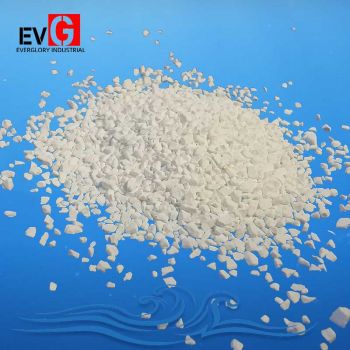
Premium Calcium Hypochlorite (Cal Hypo) – Bulk Disinfection Solutions
Welcome to your trusted manufacturing source for high-efficacy Calcium Hypochlorite, universally recognized across global commercial markets as Cal Hypo. Engineered to deliver exceptional oxidation potential, active chlorine release, and rapid disinfection, our line of Cal Hypo products serves industrial water treatment facilities, municipal utilities, commercial aquatic centers, and agricultural enterprises worldwide.
What is Calcium Hypochlorite (Cal Hypo)?
Calcium Hypochlorite, commonly abbreviated as Cal Hypo (chemical formula: Ca(ClO)₂), is one of the most reliable and cost-effective solid chlorine disinfectants available on the international market. Unlike liquid bleach (Sodium Hypochlorite), high-grade Cal Hypo delivers higher concentrations of active available chlorine—typically ranging from 65% to 70%—in a stable solid format.
Key Advantages of Commercial Cal Hypo:
Technical Specifications & Product Range
| Product Parameter | Standard Commercial Specification |
| Chemical Name | Calcium Hypochlorite / Cal Hypo |
| CAS Number | 7778-54-3 |
| Available Chlorine | 65% – 70% min |
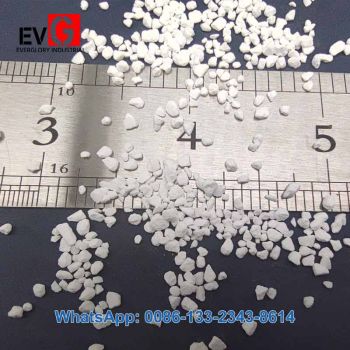
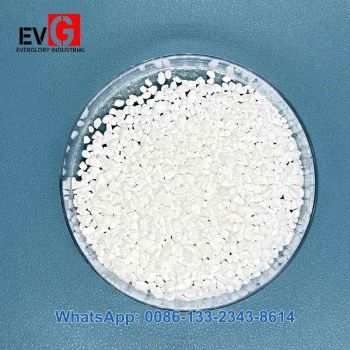
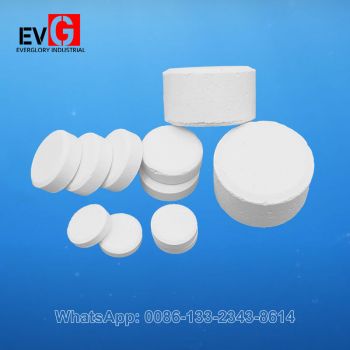
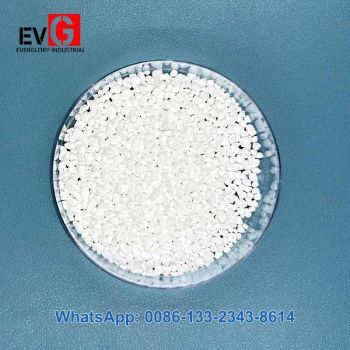
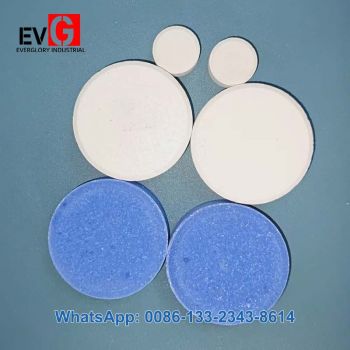
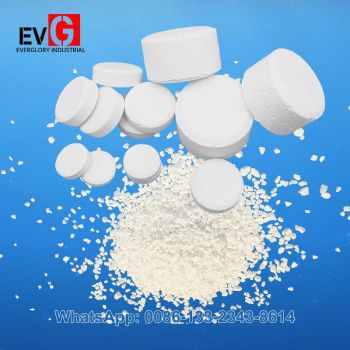
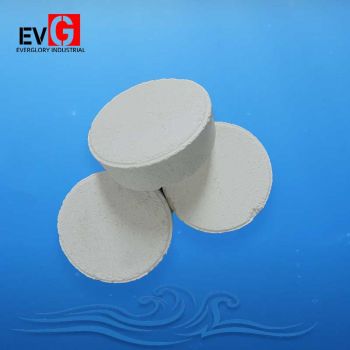
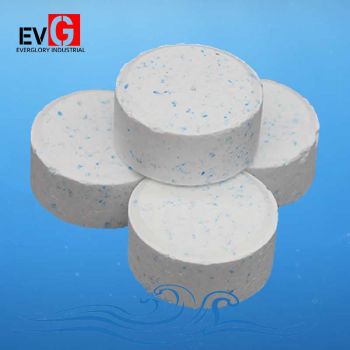
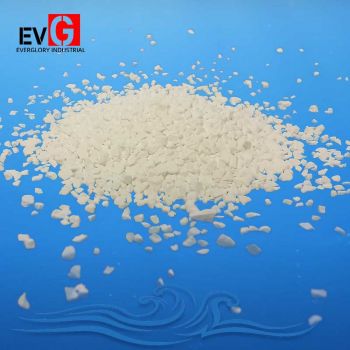
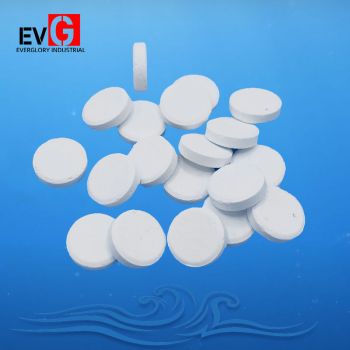
| Physical Form | Granular, Powder, or 20g / 200g Tablets |
| Process Method | Sodium Process / Calcium Process |
| UN Number & Class | UN 2880 / Class 5.1 Oxidizer |
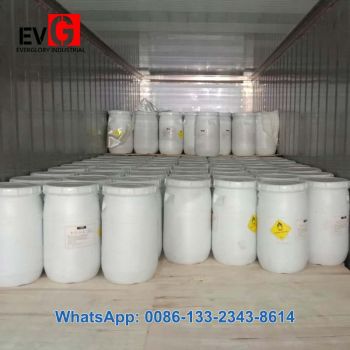
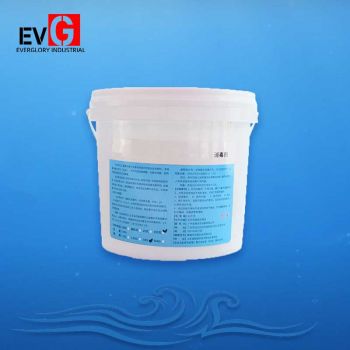
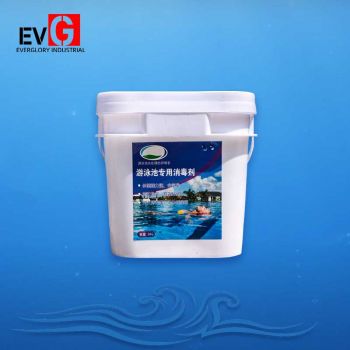
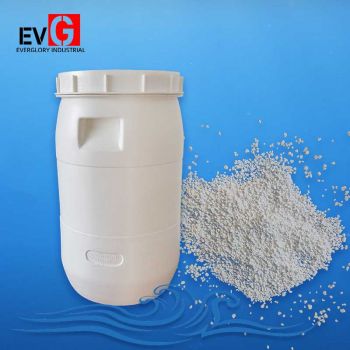
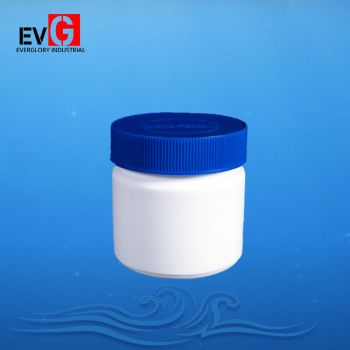
| Packaging Options | 10kg, 25kg, 45kg, 50kg HDPE UN Drums |
Main B2B Applications for Cal Hypo
Our industrial-grade Cal Hypo products are widely deployed across major global sectors:
Why Source Cal Hypo from Us?
Frequently Asked Questions (FAQ)
Q1: What is the primary difference between Cal Hypo granules and tablets?
A: Granular Cal Hypo dissolves quickly for rapid shock treatment and immediate chlorination, whereas Cal Hypo tablets provide slow, sustained release of active chlorine for continuous feeding systems.
Q2: What is the shelf life of Calcium Hypochlorite?
A: When stored in sealed original containers in a cool, dry, well-ventilated location away from organic fuels and direct sunlight, high-quality Cal Hypo maintains its nominal chlorine concentration over long storage periods.
Q3: What is the main difference between Cal Hypo and TCCA or SDIC?
A: Cal Hypo (Calcium Hypochlorite) is an inorganic, non-stabilized chlorine disinfectant that provides rapid chlorine release without introducing cyanuric acid (CYA) to the water system. In contrast, TCCA and SDIC are organic, cyanuric-acid-stabilized chlorine sources, which prevent UV degradation in outdoor pools but can cause CYA over-stabilization over time.
Q4: What options do you offer for Cal Hypo packaging and container shipping?
A: As an experienced Dangerous Goods (DG Class 5.1) exporter, we provide UN-approved HDPE plastic drums (10kg, 25kg, 45kg, and 50kg) with inner moisture-proof liners. We also offer fully customized OEM drum colors, private labels, and optimized palletized or unpalletized container loading layouts to maximize freight cost efficiency.
Q5: How do you guarantee active chlorine stability during long-distance ocean transit?
A: Our Calcium Hypochlorite is manufactured using the advanced sodium process, yielding a hydrated form (5.5%–10% moisture content) that significantly improves thermal stability and resistance to decomposition. Each batch undergoes rigorous QA testing before loading, complete with a COA (Certificate of Analysis) and Class 5.1 DG transport compliance certificates.
Q6: Can I request samples before placing a full container load (FCL) bulk order?
A: Yes. We provide complimentary sample testing batches for qualified industrial buyers, distributors, and municipal contractors. Contact our sales engineers to arrange sample delivery along with our complete Technical Data Sheet (TDS) and Safety Data Sheet (SDS).
Get competitive wholesale prices, MSDS/TDS documentation, and custom packaging details from our chemical export team within 12 hours.