Products
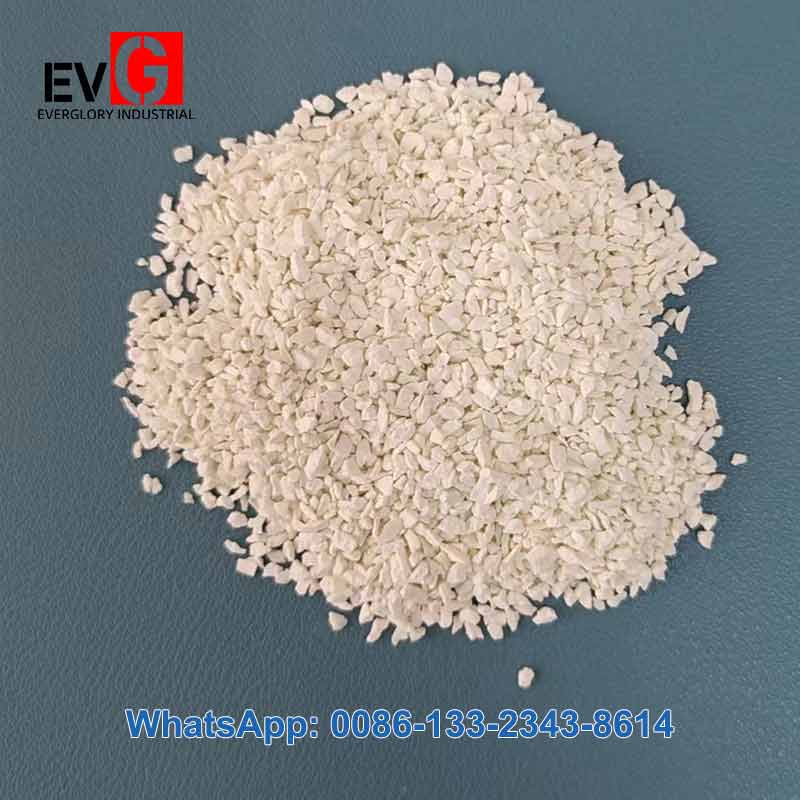
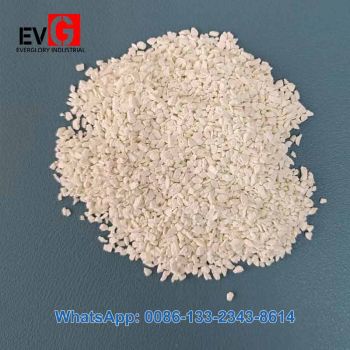
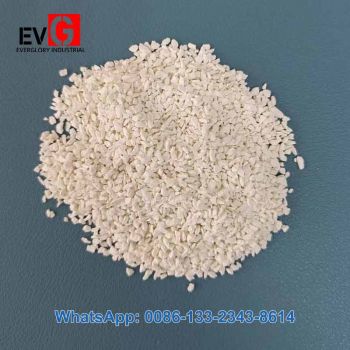
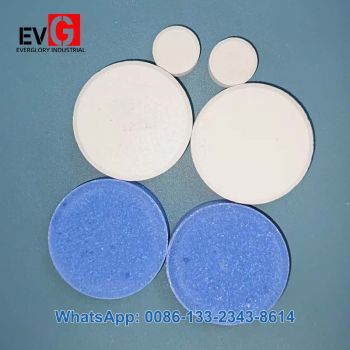
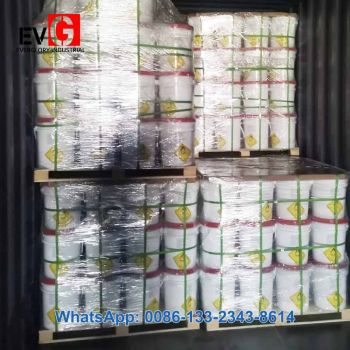
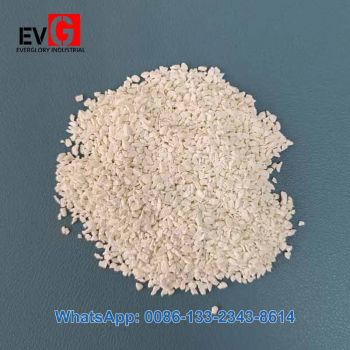
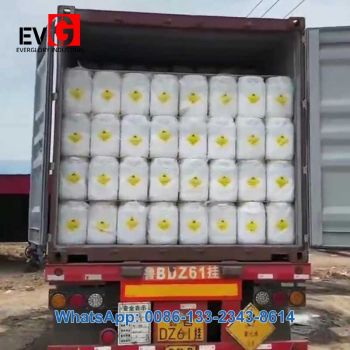
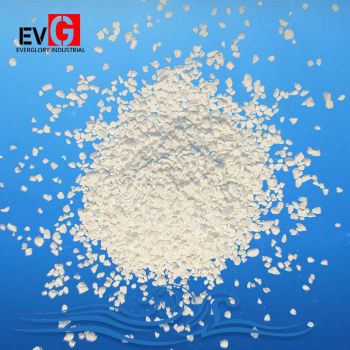
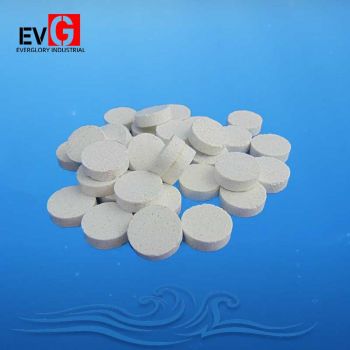
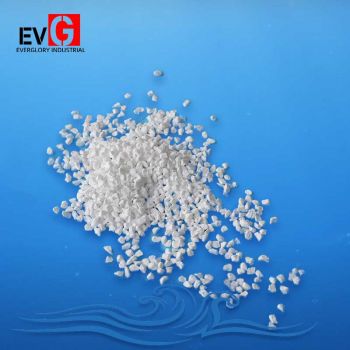
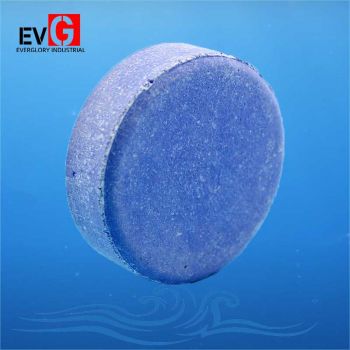
Dichlor for pools is the answer to one hard fact: unstabilized chlorine loses most of its strength in a single afternoon of direct sun. Dichlor pool chlorine — sodium dichloro-s-triazinetrione (CAS 2893-78-9 anhydrous, 51580-86-0 dihydrate) — carries cyanuric acid inside its own molecule, and that stabilizer intercepts the ultraviolet photons that would otherwise destroy the free chlorine residual. The result is a sanitizer that holds through full days of sunlight, dissolves fast, and leaves water chemistry nearly untouched at a solution pH of 5.5-7.0. Everglory Industrial manufactures dichlor for pool programs in both trade grades — 56% dihydrate and 60% anhydrous — as granular (8-30 and 20-40 mesh) and dichlor tablets (20 g and 3.3 g), shipped in UN 2465 certified plastic drums direct from the factory.
Why Stabilized Chlorine Wins Outdoors
Every chlorine source produces the same disinfecting agent once dissolved — hypochlorous acid. The difference is how long it survives. In an unstabilized outdoor pool, sunlight can consume the entire free chlorine residual within hours, forcing daily re-dosing and leaving long windows of under-sanitized water. Dichlor changes that arithmetic: each dose adds cyanuric acid along with chlorine, and the stabilizer bonds loosely with free chlorine to shield it from photolysis. Properly managed, the same residual protects the water for days instead of hours — fewer chemical deliveries, less labor, and sanitizer that is still working when the pool is busiest.
Granules vs Tablets — Which Dichlor for Pools?
Most professional programs run both forms, because they solve different jobs:
A typical weekly rhythm: dichlor tablets maintain the baseline residual through skimmer or feeder dosing, while one weekly shock of granular dichlor clears the combined chlorine that builds up from bather load. The near-neutral pH of both forms means neither dosing drags the water out of balance — a decisive advantage over acidic trichlor tablets and alkaline cal-hypo shocks.
Dosing Guidance for Dichlor Pool Chlorine
Actual dosing always depends on water volume, bather load, temperature, and measured residuals — the figures below are starting points for a professionally tested pool, never a substitute for testing:
One discipline matters with any stabilized chlorine: cyanuric acid accumulates, and overstabilized water shelters pathogens as effectively as it shelters chlorine. Professionals testing CYA monthly and diluting with fresh water when it climbs keep the stabilization benefit without the lock. Granular and tablets from the same factory make that balance easier to manage, because the CYA contribution per kilogram of chlorine is consistent batch to batch.
Buying Dichlor for Pools from the Factory
- Direct manufacturer pricing: Everglory quotes dichlor pool chlorine without trading-company margins, matched to live production capacity
- Both grades, both forms: 56% dihydrate and 60% anhydrous, granular and tablets, so one supplier covers the entire seasonal program
- ISO 9001 quality system: batch-by-batch COA with iodometric chlorine titration and sieve analysis
- UN-certified drum packaging: 5 kg through 50 kg UN 2465 plastic drums with inner liners, plus custom drum weights for private label lines
- Complete export documentation: MSDS, COA, Certificate of Origin, and dangerous goods declaration prepared for your destination market
Season planning matters as much as chemistry. A full 20ft container holds a season’s supply for most regional distributors, and factory production scheduling lets buyers land stock ahead of the pool season opening instead of paying spot freight at the spring peak. Trial orders start at 1 metric ton supported by complete documentation, so a first container can be qualified while the relationship is still young; repeat programs then settle into firm lead times, confirmed in every proforma invoice and tracked to the destination port. Buyers who consolidate granular and tablets in one shipment simplify customs paperwork and container utilization at the same time — one ISO 9001 quality system, one COA per batch, and one export team handling the account end to end.
Storage and Handling
Store dichlor in its original sealed drum, cool, dry, and away from sunlight and heat; keep it strictly separate from acids, ammonia-containing products, and calcium hypochlorite, and reseal drums after every use. Never mix different chlorines in the same feeder or container. Properly stored, shelf life is 24 months from production.
Frequently Asked Questions
Q: Is dichlor good for pools?
Yes — dichlor for pools is a professional standard precisely because it survives sunlight. Its cyanuric stabilizer holds the free chlorine residual through outdoor exposure, its fast dissolution suits shocking and precise dosing, and its near-neutral pH protects liners, heaters, and plaster.
Q: How much dichlor do I need to shock a pool?
A typical weekly shock raises free chlorine 5-10 mg/L above the maintenance baseline, broadcast as granular with the pump running. Exact dosing depends on volume, bather load, and the measured combined chlorine level — always test before and after.
Q: Can I use dichlor tablets instead of granules?
Dichlor tablets (20 g and 3.3 g) suit daily maintenance feeding through skimmers or floaters, releasing chlorine steadily through the day. For shocking and spot dosing use granular — tablets are not designed to dissolve on demand.
Q: Does dichlor pool chlorine raise cyanuric acid?
Yes — every dose adds cyanuric acid along with chlorine. Test CYA monthly and dilute with fresh water when it climbs above the range your local code allows. Consistent factory batches make the CYA contribution predictable, which keeps the balance manageable.
Q: What is the minimum order quantity and lead time?
The standard MOQ is 1 metric ton for trial orders; regular programs are best planned around a full 20ft container. Typical production lead time is 10-15 days after order confirmation, plus ocean transit.
Q: Do you offer OEM private label for pool chlorine?
Yes. We print your company name, logo, and contact details on drum labels, with custom drum weights available for private label programs. Label artwork templates are shared for your approval before production begins.
Ready to buy dichlor for pools direct from the manufacturer? Contact Everglory Industrial today for a free quotation with CIF pricing to your destination port. Send your required grade (56% or 60%), form (granular or tablets), mesh size, drum size, and monthly volume — our export team responds within 24 hours in English, French, and Spanish.