Products
Chlorine Granules for Pool — Complete Sanitization Programs for Pool Businesses
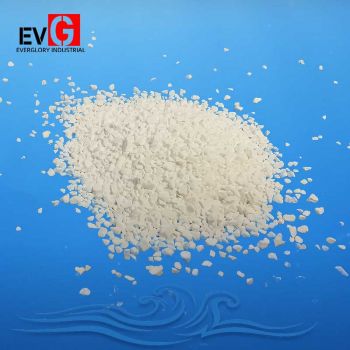
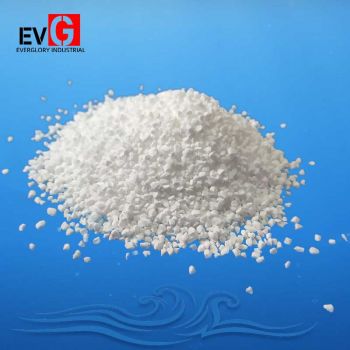
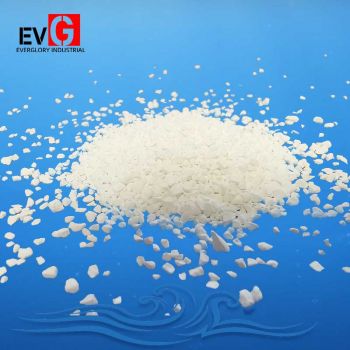
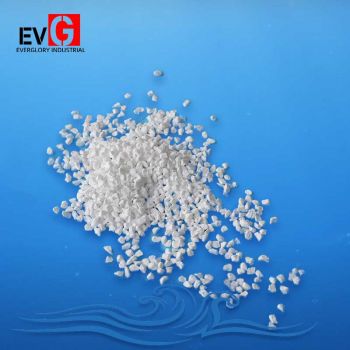
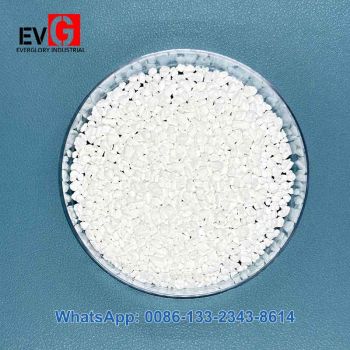
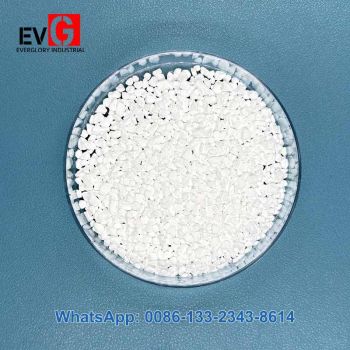
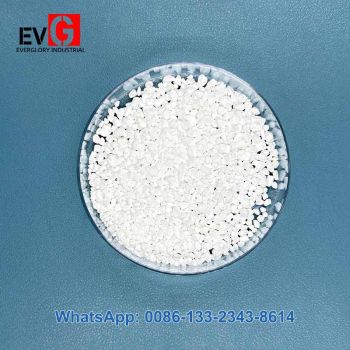
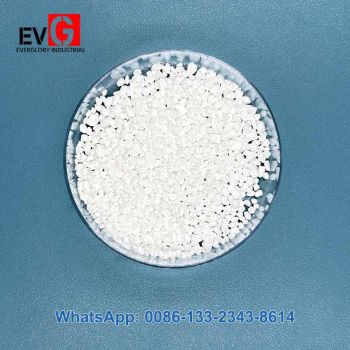
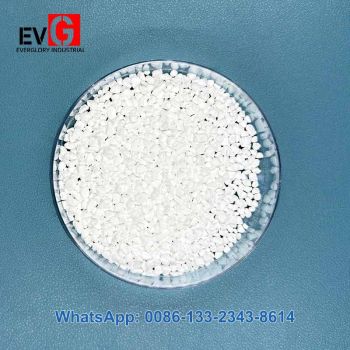
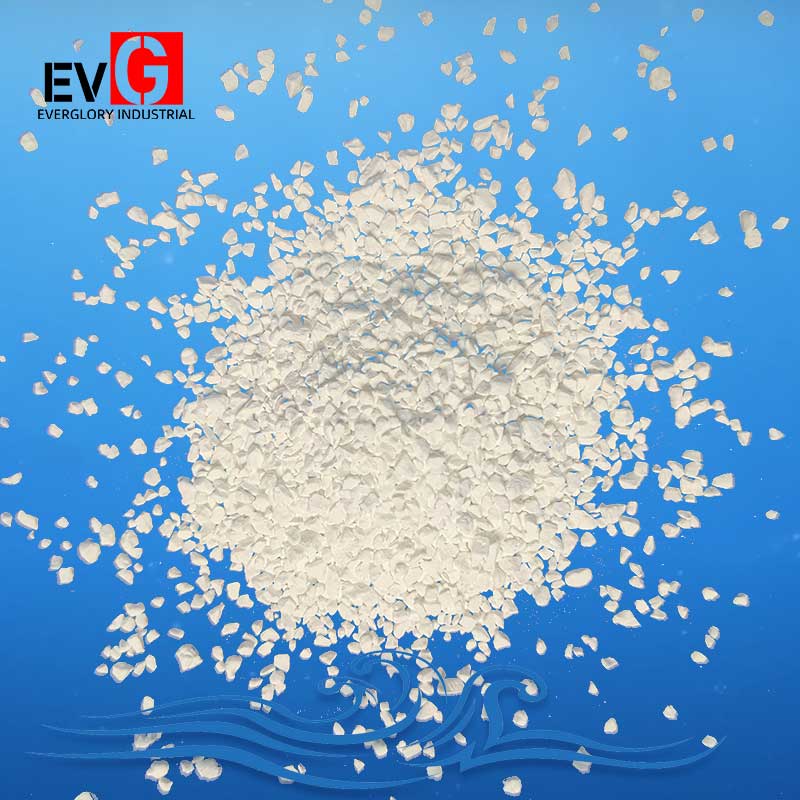
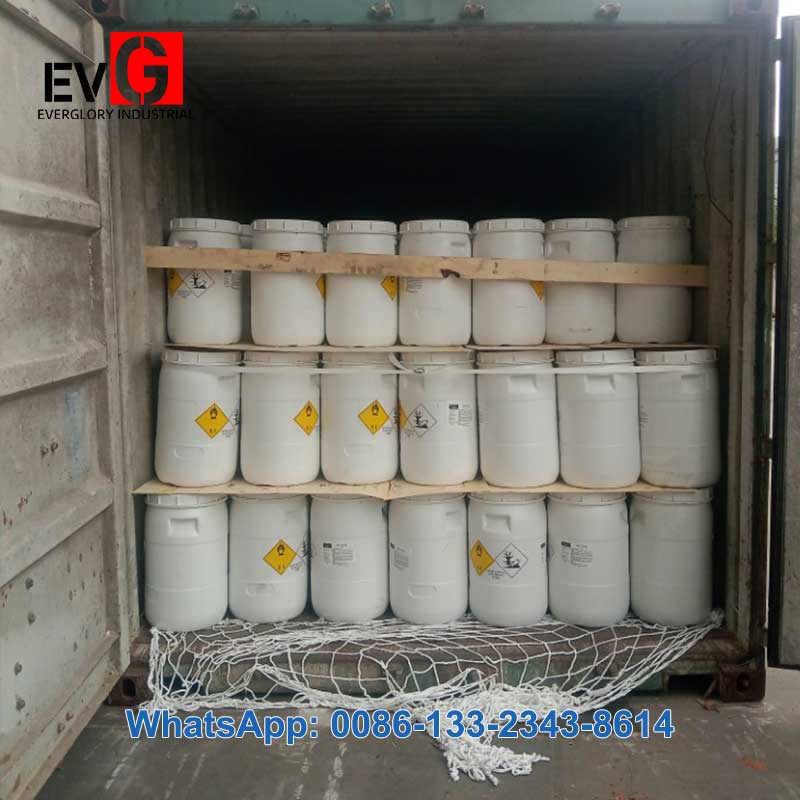
For professional pool service companies, pool chains, and chemical distributors, chlorine granules for pool maintenance are the backbone of every recurring service contract. Granules dissolve fast, dose precisely by weight, and adapt to any pool on a service route — from small residential pools to high-volume commercial facilities. Everglory Industrial supplies pool chlorine granules in three chemistry families — calcium hypochlorite (65-70% available chlorine), TCCA/trichlor (90%), and SDIC/sodium dichloroisocyanurate (56%/60%) — in 8-30 mesh and 20-40 mesh grades, all packed in UN 2880 certified plastic drums and exported to more than 60 countries. This page gives procurement and service managers a complete reference: product selection guidance, daily and weekly maintenance programs, a dosage chart, water chemistry targets, and packaging options for building a dependable pool chlorine granules supply program.
Which Chlorine Granules for Pool Maintenance?
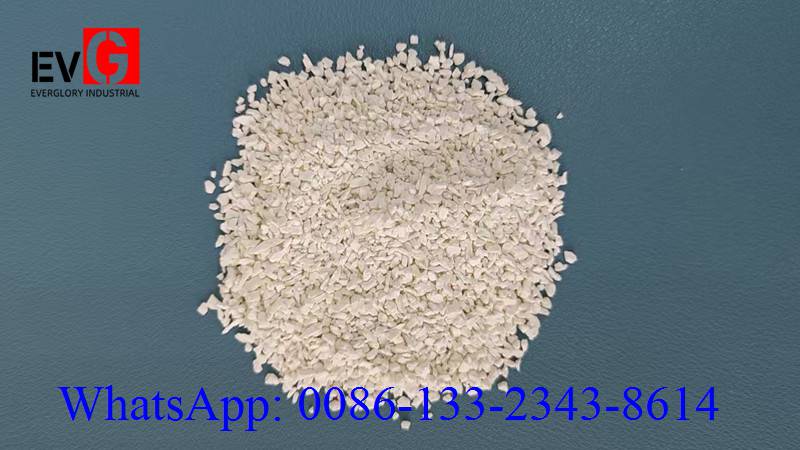
Choosing the right chlorine granules for pool programs starts with water chemistry and exposure conditions. For most service routes, calcium hypochlorite granules at 70% available chlorine are the workhorse: unstabilized, fast-dissolving, and suitable for both daily dosing and weekly shock. For outdoor pools with heavy UV exposure, TCCA 90% granules carry cyanuric acid stabilization that protects chlorine from sunlight degradation, extending residual life between visits. Where near-neutral pH dosing and the fastest dissolution matter — indoor pools, spas, and vinyl-lined pools — SDIC 56%/60% granules dissolve almost instantly with minimal pH impact. The comparison below summarizes the decision:
Daily Pool Sanitization with Chlorine Granules
The goal of daily sanitization is a stable free chlorine residual of 1-3 ppm. Technicians should test free and total chlorine at every visit with a DPD or photometer kit, calculate the deficit against the 1-3 ppm target, and dose granules by weight accordingly. Because granules dissolve within minutes, the residual can be verified before leaving the site — a decisive advantage over slow-dissolving tablets for route-based service businesses. Best practice on a service route: dose pool chlorine granules in the early morning or evening with the pump running, broadcast evenly across the deep end (or pre-dissolve in a bucket for vinyl and fiberglass surfaces), brush any undissolved particles, and retest after 30-60 minutes of circulation. Recording each reading in a service log builds the water history that keeps commercial clients audit-ready.
Weekly Pool Maintenance Program
A structured weekly program turns chlorine granules for pool care into a repeatable, contract-ready routine. Distributors can also hand this schedule to their pool-service customers as a value-add:
Chlorine Granules for Pool Dosage Chart
The chart below is calculated for calcium hypochlorite 70% granules. Daily dose assumes raising free chlorine by approximately 2 ppm; shock dose assumes approximately 5 ppm. Always verify with an on-site test after dosing:
Managing Pool Water Chemistry
Chlorine granules only perform when the rest of the water balance is in range. Train service teams to treat these five parameters as one system:
Why Pool Businesses Choose Everglory
- Factory-direct pricing: As a manufacturer-exporter, Everglory quotes pool chlorine granules at source prices with no trading-company margin, keeping your per-visit chemical cost competitive season after season
- Consistent granule quality: Every batch is produced under an ISO 9001 quality system with controlled granulation (8-30 mesh or 20-40 mesh), so dissolution rates and chlorine content stay predictable across shipments
- Retail-friendly drum sizes: 5 kg and 10 kg plastic drums are ideal for pool shops, service vans, and resale to residential clients — the same factory chemistry as bulk drums
- OEM private label: Build your own brand of chlorine granules for pool programs with custom drum labels, weights, and languages — ready for your market
- Complete export documentation: MSDS, COA, COO, dangerous goods declaration, and UN 2880 certified drums prepared in-house, in English, French, or Spanish, for smooth customs clearance
- Container efficiency: Drum sizes from 5 kg to 50 kg are engineered to maximize payload per container, lowering your landed cost per kilogram of available chlorine
Packaging and Storage
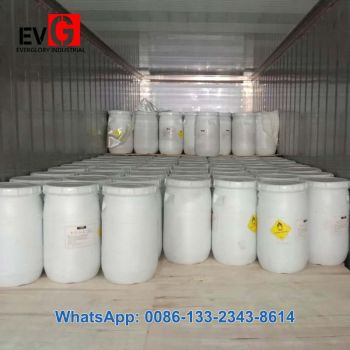
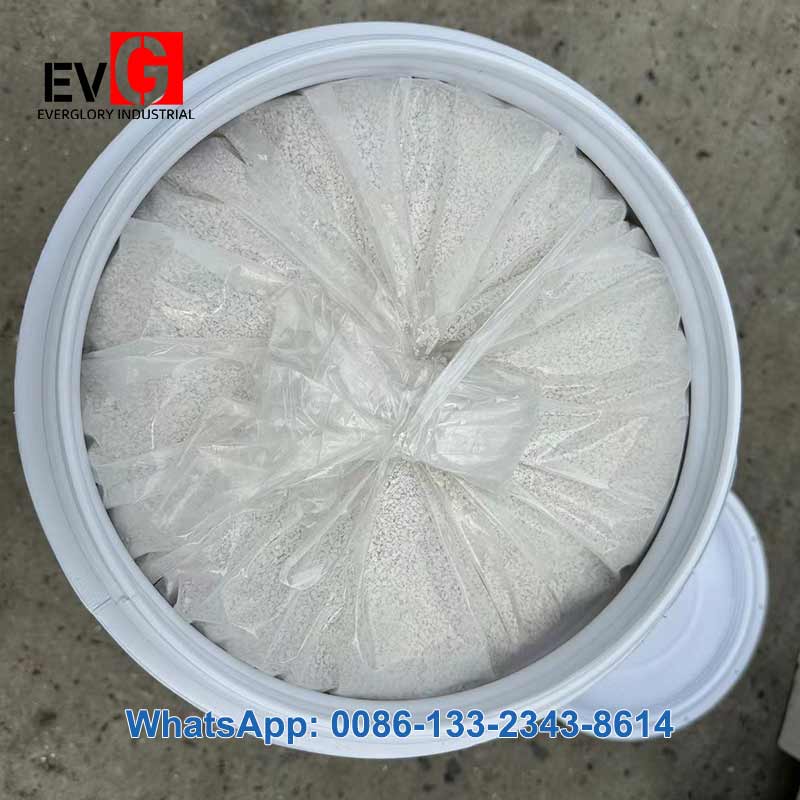
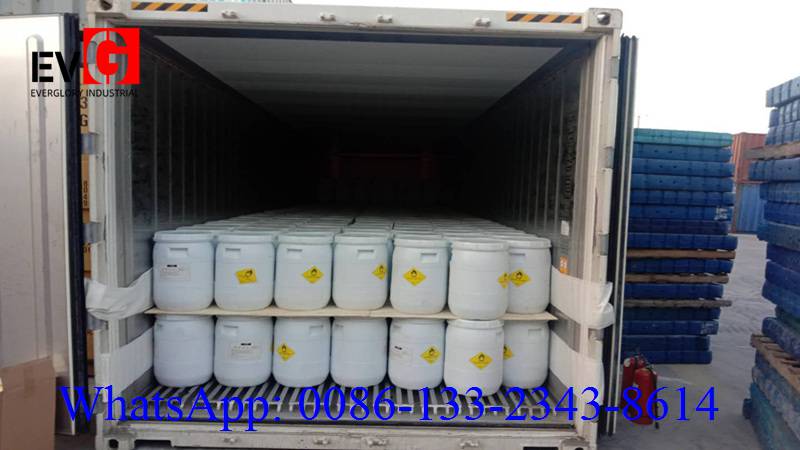
All pool chlorine granules are shipped exclusively in UN 2880 certified plastic drums with inner PE liners, compliant with IMDG requirements for maritime transport:
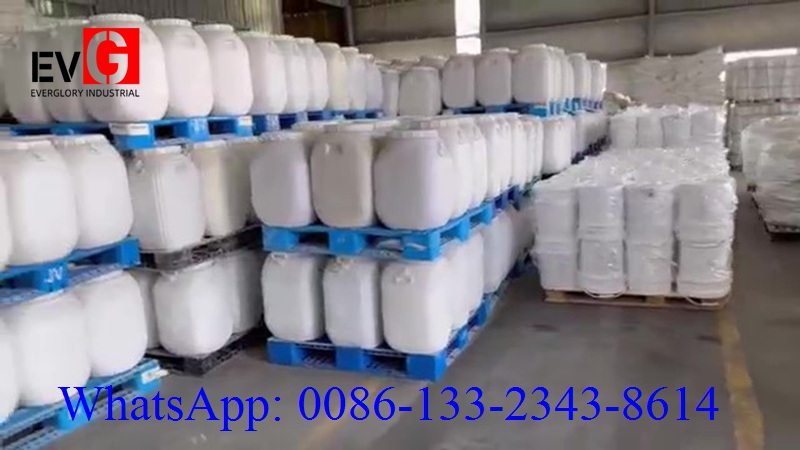
Store drums in a cool, dry, ventilated area away from sunlight, heat, acids, ammonia, and organic materials, stacked no more than three layers high. Keep drums sealed: granules absorb moisture, which softens the product and slowly consumes available chlorine. Shelf life is 24 months from production when stored correctly.
Frequently Asked Questions
Q: How much chlorine granules do I need for a 50,000 L pool?
For a 50,000 L pool, dose approximately 150 g of 70% calcium hypochlorite granules per day to maintain a 1-3 ppm residual, or about 370 g for a 5 ppm shock treatment. Always test the water first and adjust the dose to the actual free chlorine reading.
Q: Should a pool service route use granules or tablets?
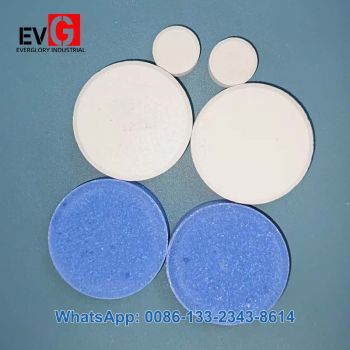
Most professional routes use both. Granules give fast, weight-based dosing and let technicians verify residual on site; 3-inch tablets in skimmers or feeders hold the residual between visits. Combining the two cuts emergency call-outs and keeps contracts profitable.
Q: Can chlorine granules be pre-dissolved before adding to the pool?
Yes. Pre-dissolving in a clean bucket of water is the recommended method for vinyl, fiberglass, and painted pools, because it prevents bleaching from concentrated granules. Add granules to water — never water to granules — stir, let settle, then distribute the solution around the pool edge with the pump running.
Q: Do TCCA chlorine granules cause CYA buildup in pools?
Yes. TCCA 90% granules are stabilized and add cyanuric acid with every dose. Over months, CYA can exceed 50 ppm and slow chlorine kill rates. Service programs using TCCA should test CYA monthly and dilute with partial water replacement, or alternate with unstabilized cal hypo granules.
Q: What is the minimum order quantity for pool chlorine granules?
Trial orders start at 1 metric ton. For regular supply we recommend a full 20 ft container (20-27 MT depending on drum size), which delivers the best landed cost. Custom weights and OEM private label orders typically require a minimum of 5 tons.
Q: Can I order chlorine granules for pool programs under my own brand?
Yes. Everglory offers full OEM private label service: your brand name, logo, dosing instructions, and languages printed on UN 2880 plastic drums from 5 kg to 50 kg, plus custom weights. Our export team supports documentation in English, French, and Spanish for over 60 destination markets.
Build your pool chlorine supply program with Everglory Industrial. Send your product grade (cal hypo, TCCA, or SDIC), mesh size, drum sizes, and monthly volume — our export team replies within 24 hours with factory-direct CIF pricing, in English, French, or Spanish. Request your quote today.