Products
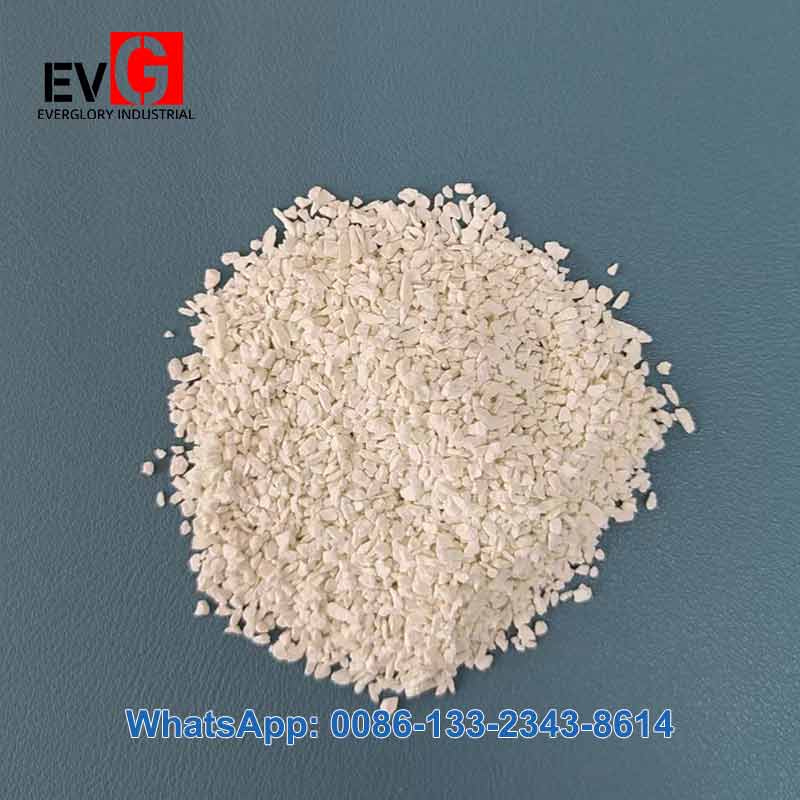
Pool Shock Granules — Rapid Superchlorination for Algae and Contamination Control
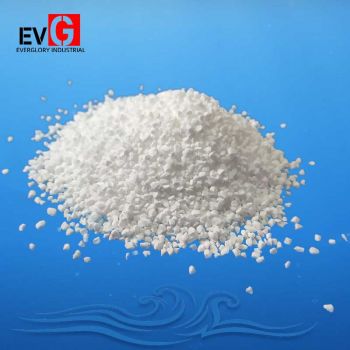
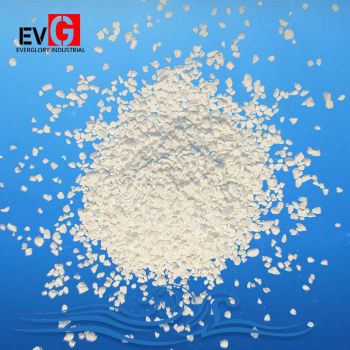
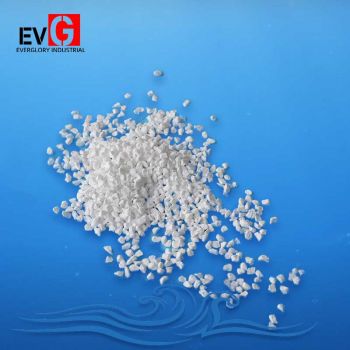
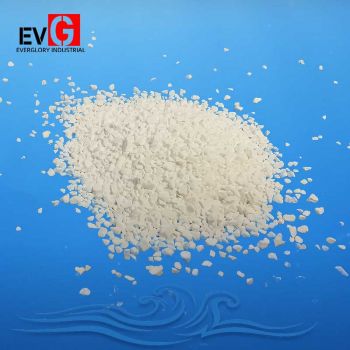
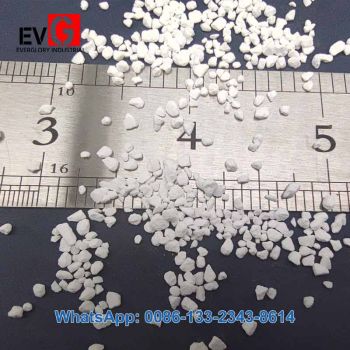
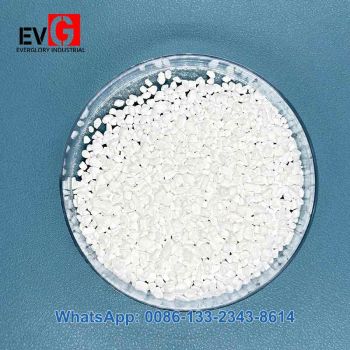
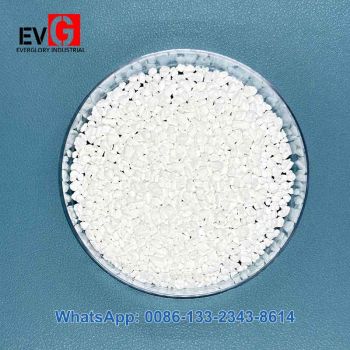
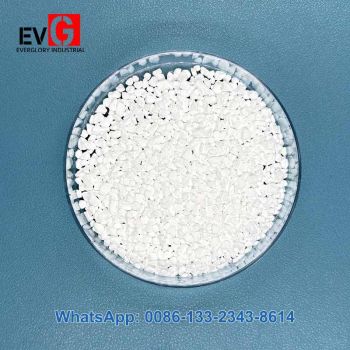
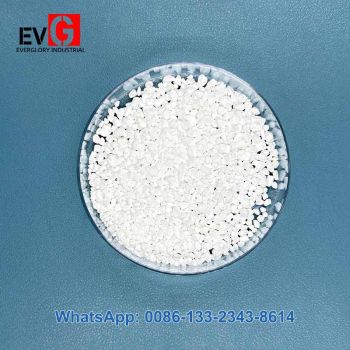
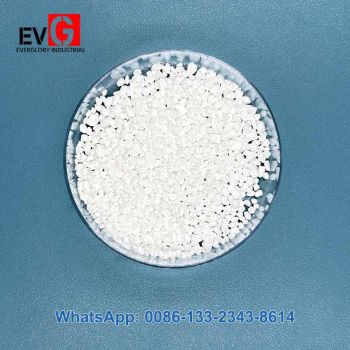
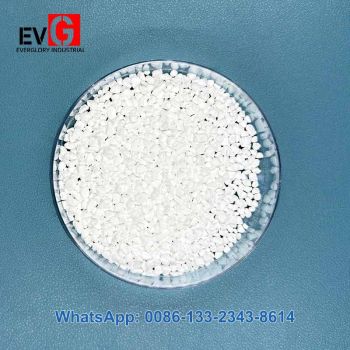
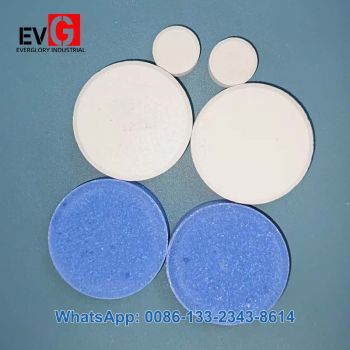
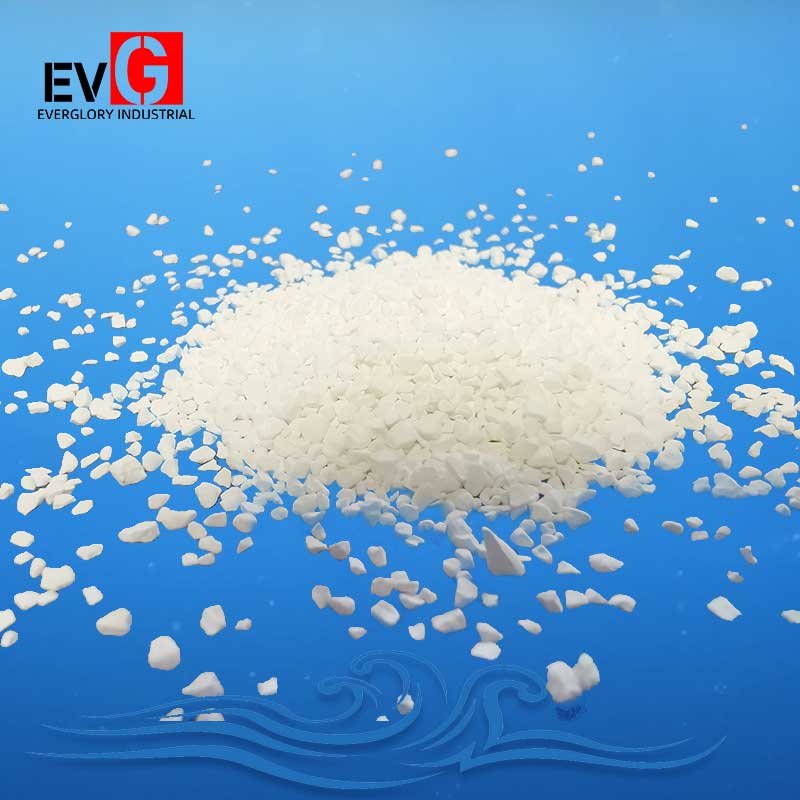
Pool shock granules are high-strength calcium hypochlorite granular (70% minimum available chlorine) used to deliver an immediate, concentrated chlorine dose during superchlorination events — not for everyday residual maintenance. While routine sanitation keeps free chlorine at 1-3 ppm, shocking raises the level far higher in a single application to destroy algae, chloramines, bacteria, and organic contamination faster than maintenance dosing ever could. Everglory Industrial supplies bulk pool shock granules to pool service companies, distributors, hotel and resort operators, and municipal aquatic facilities in more than 60 countries, shipped in UN 2880 certified plastic drums under an ISO 9001 quality system.
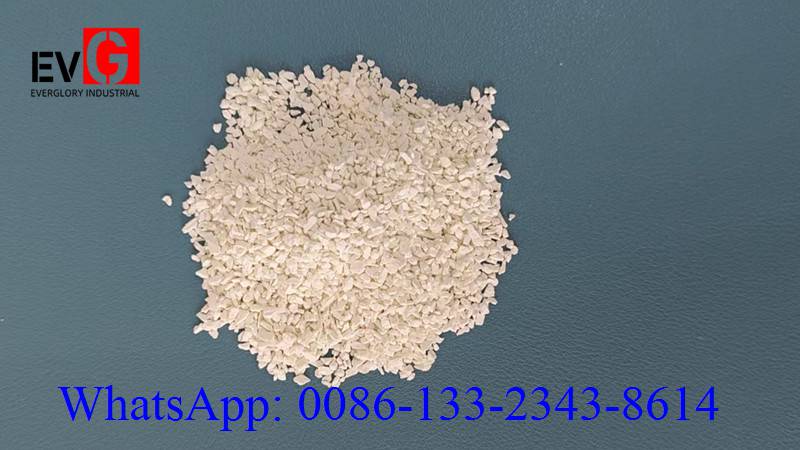
What Does Shocking a Pool Mean?
Shocking — or superchlorination — is the deliberate addition of chlorine at roughly 10 times the level of combined chlorine in the water. Free chlorine sanitizes; combined chlorine (chloramine) is what remains after chlorine has already reacted with ammonia, sweat, urine, and organic debris, and it is responsible for the sharp "chlorine" odor, eye irritation, and dull water that bathers complain about. By raising free chlorine to approximately 10 times the combined chlorine concentration, pool shock granules force chlorine to oxidize those bound contaminants completely, breaking the chloramine bond and restoring water to a clean, odor-free state. The distinction matters commercially: shock treatment is an intermittent corrective procedure performed weekly, bi-weekly, or on demand, whereas daily dosing maintains a low residual. Facilities that confuse the two either waste chemical or fail inspections.
When Your Pool Needs Shock Treatment
Professional service programs apply pool shock granules in response to six well-defined trigger scenarios:
- Visible algae bloom: green tint, wall staining, or slippery surfaces indicate an established colony that maintenance-level chlorine cannot clear
- Cloudy or dull water: suspended organic matter and dead microorganisms that filtration alone will not remove quickly
- Heavy bather load events: pool parties, swim meets, and holiday weekends introduce a spike of perspiration, cosmetics, and body oils
- Combined chlorine above 0.5 ppm: the industry threshold at which chloramine formation has outpaced oxidation and a shock dose is mandated
- Rainstorm and runoff contamination: storm debris, diluted sanitizer, and groundwater wash-in overwhelm normal residuals within hours
- Seasonal opening and closing: spring openings confront dormant contamination; autumn closing protects water through months of stagnation
Breakpoint Chlorination Explained
Breakpoint chlorination is the chemistry behind every effective shock treatment. When chlorine encounters ammonia in pool water, the two react in stages: initial additions of chlorine form additional chloramines before destroying them. Complete oxidation only occurs once the chlorine-to-ammonia weight ratio reaches approximately 10:1 — the breakpoint. Below the breakpoint, adding chlorine actually increases combined chlorine and worsens odor and irritation. For service technicians, the practical implication is simple: an under-dosed shock treatment is worse than none, because it manufactures more chloramine while consuming chemical budget. Correct dosing with pool shock granules must be calculated from measured combined chlorine and pool volume, then applied in a single complete dose — never split into partial top-ups.
Pool Shock Granules Dosage Chart
The following chart provides field dosing rates for 70% calcium hypochlorite pool shock granules. Routine shock targets approximately 5 ppm of available chlorine; heavy algae shock targets approximately 10 ppm. Always verify current free chlorine before dosing and adjust accordingly.
Values assume a starting residual near zero and 70% available chlorine product. For breakpoint calculations against measured combined chlorine, dose approximately 10 times the combined chlorine figure in available chlorine terms, then convert to product weight using the 70% concentration.
Shock Treatment Procedure
Written for professional service operations, the following five-step protocol standardizes shock treatment across a route of commercial and residential accounts:
- Step 1 — Test and record levels: measure free chlorine, total chlorine, pH, and cyanuric acid before adding anything; calculate combined chlorine (total minus free) and log the readings for the facility record
- Step 2 — Calculate the dose: using measured pool volume and the combined chlorine figure, compute the required product weight from the dosage chart above; adjust pH to 7.2-7.4 beforehand so the chlorine works at maximum efficiency
- Step 3 — Dissolve or broadcast by surface type: for vinyl-lined or fiberglass pools, pre-dissolve the granules in a clean bucket of water and distribute the solution around the perimeter; for plaster and concrete pools, broadcast granules evenly over deep water with the pump running, avoiding concentrated piles on the floor
- Step 4 — Run pump and filter for at least 8 hours: continuous circulation distributes the chlorine and moves dead algae and oxidized debris to the filter; brush walls and floors midway to dislodge attached growth
- Step 5 — Retest and verify safe entry: after the circulation cycle, retest free and combined chlorine; reopen the pool only when free chlorine has returned to 1-3 ppm (up to 5 ppm for commercial codes) and combined chlorine reads below 0.5 ppm
Why Cal Hypo 70% Is the Preferred Shock Granule
- Highest unstabilized chlorine release: at 70% minimum available chlorine, cal hypo delivers the strongest immediate chlorine spike of any solid shock chemistry, which is exactly what breakpoint oxidation requires
- No cyanuric acid contribution: repeated shocking with stabilized products pushes CYA upward until chlorine is over-buffered; cal hypo adds none, protecting long-term water balance
- Fast-acting granular dissolution: 8-30 mesh granules dissolve within minutes, so the superchlorination window opens immediately rather than over hours
- Adds calcium hardness: each treatment raises calcium slightly — an advantage in soft-water regions, though operators in hard-water areas should monitor hardness quarterly
- Lowest cost per treatment: factory-direct cal hypo granules deliver more available chlorine per shipped kilogram than blended or stabilized shock products, reducing chemical spend across a full service season
Product Specifications and Packaging
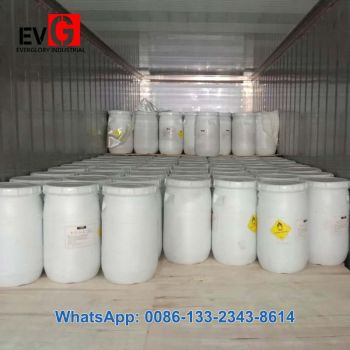
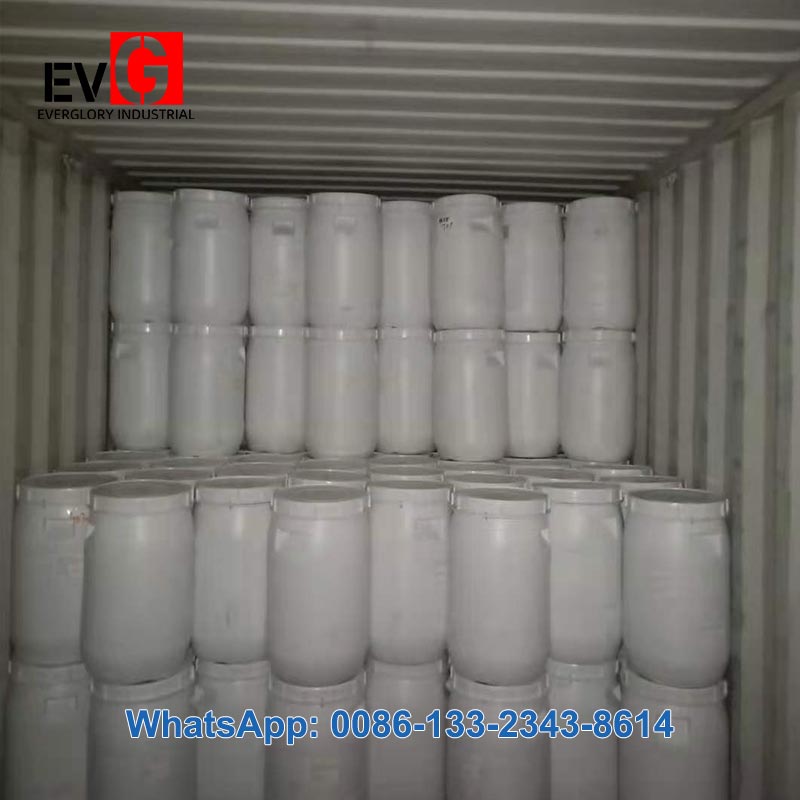
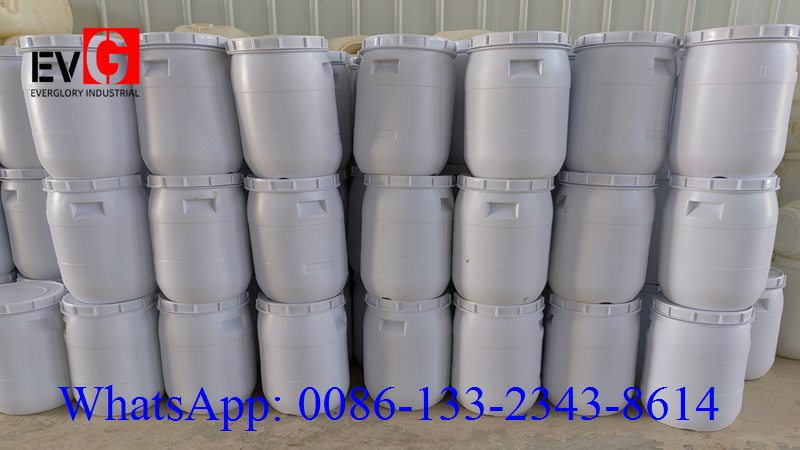
All pool shock granules are packed exclusively in UN 2880 certified plastic drums with inner PE liners for compliant dangerous-goods shipping worldwide:
Frequently Asked Questions
Q: How often should commercial pools be shocked?
Most commercial facilities shock weekly as a standing part of the maintenance schedule, plus on demand whenever combined chlorine exceeds 0.5 ppm, after heavy bather load events, or following storms. High-traffic public pools in warm climates may require shock treatment twice weekly. Health codes in many jurisdictions mandate the combined chlorine threshold, so monitoring frequency drives the schedule.
Q: How long after shocking can swimmers return to the pool?
Wait until free chlorine falls back to 1-3 ppm (up to 5 ppm under many commercial codes) and combined chlorine is below 0.5 ppm. With proper circulation this typically takes 8 to 24 hours depending on dose, sunlight, and water temperature. Always retest with a reliable kit before reopening — never reopen on elapsed time alone.
Q: Is shock treatment the same as adding algaecide?
No. Shock with pool shock granules oxidizes and kills algae directly by superchlorination — it is the primary response to an active bloom. Algaecides are preventive maintenance chemistry that inhibits regrowth between treatments. Standard professional practice is to shock first to clear the bloom, then apply a maintenance algaecide as a follow-up barrier.
Q: Can I use TCCA granules instead of cal hypo for shocking?
TCCA 90% granular can shock a pool, but it adds cyanuric acid with every dose, gradually stabilizing outdoor water to the point where chlorine loses oxidation power. Cal hypo 70% granules add no stabilizer and release unstabilized chlorine immediately, which is why most service professionals reserve cal hypo for shock and use TCCA for daily maintenance. We supply both, so we can quote whichever chemistry fits your program.
Q: What is the minimum order quantity for pool shock granules?
Standard MOQ is 1 metric ton for trial orders so new buyers can test the product in their market. For regular supply we recommend a full 20ft container of 20-27 MT depending on drum size selection. OEM private label orders require a minimum of 5 tons.
Q: How many drums fit in one shipping container?
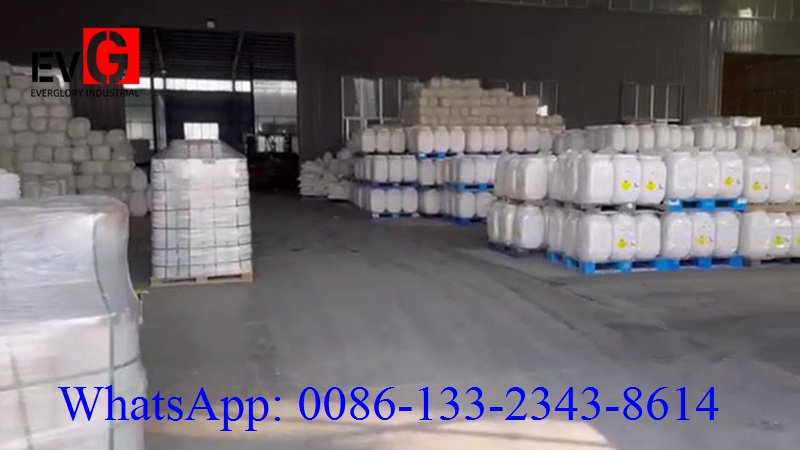
A 20ft DG container typically loads 20-27 metric tons of calcium hypochlorite depending on drum size — for example, approximately 400-540 drums in 45-50 kg format. We provide a precise loading plan with drum dimensions, gross weight, and IMDG-compliant stowage documentation for every shipment before it leaves the factory.
Need bulk pool shock granules for your service operation or distribution network? Contact Everglory Industrial for a factory-direct quotation with CIF pricing to your destination port. Send your mesh size, drum size, and volume requirements — our export team replies within 24 hours in English, French, or Spanish, complete with COA, MSDS, and DG documentation support.