Products
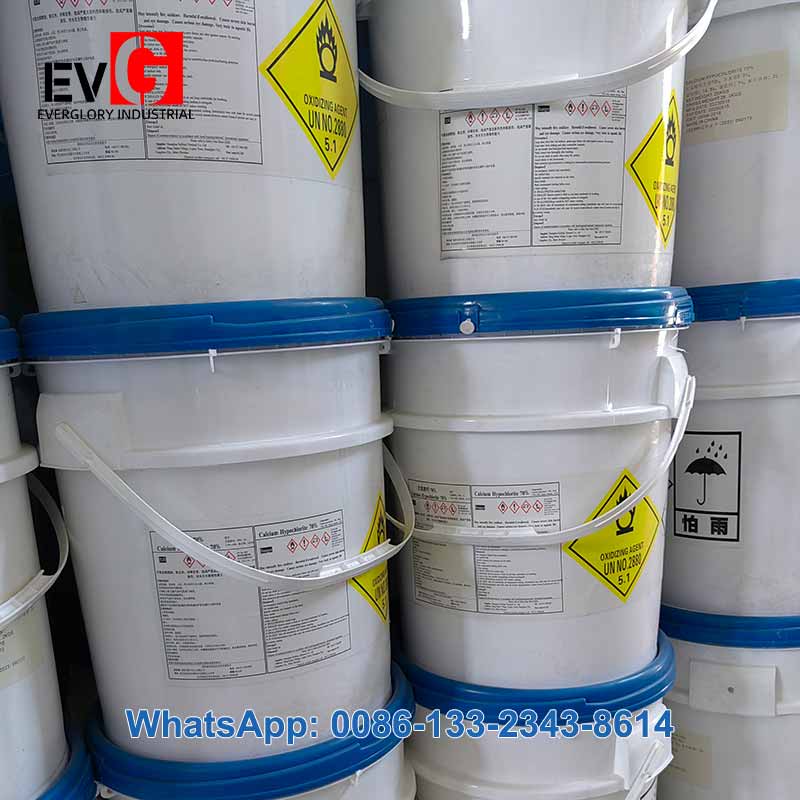
Chlorine Granules — Precise-Dose Granular Disinfection for Pools and Water Treatment
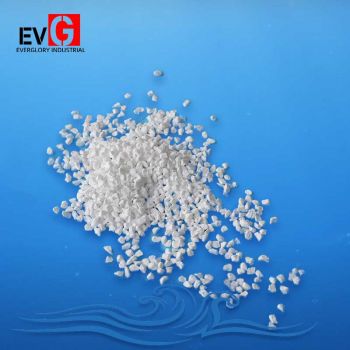
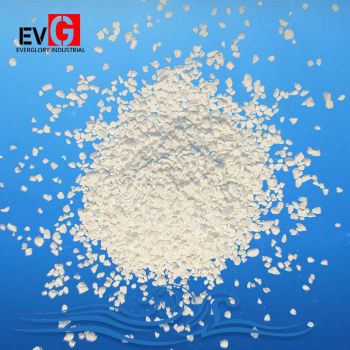
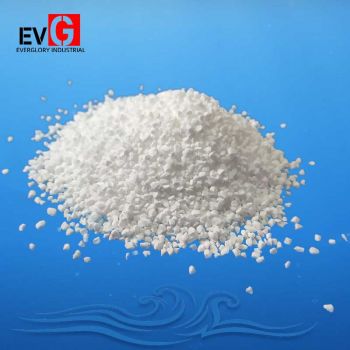
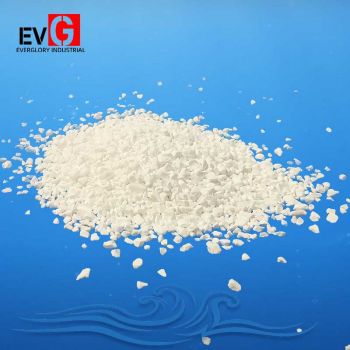
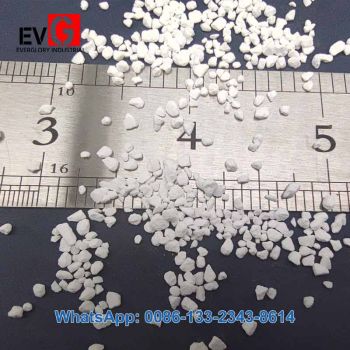
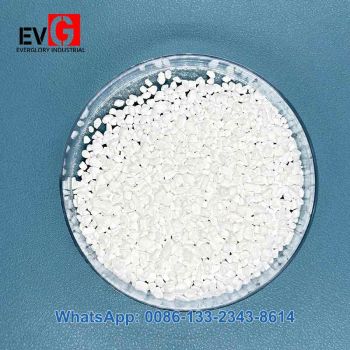
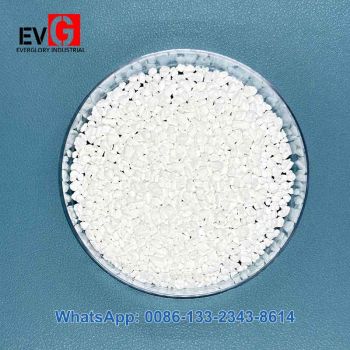
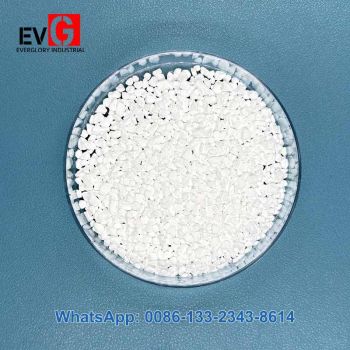
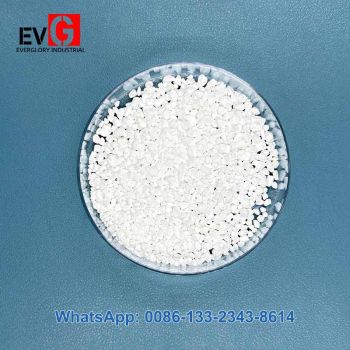
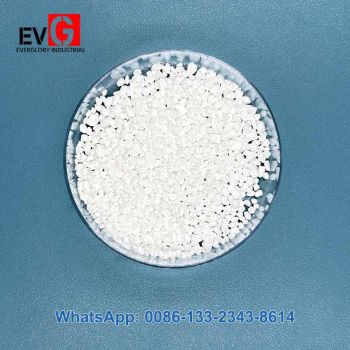
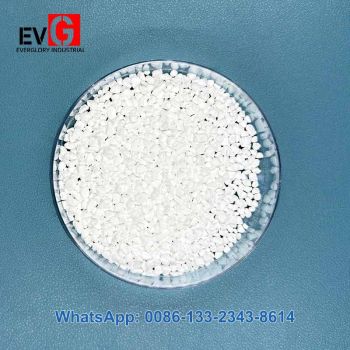
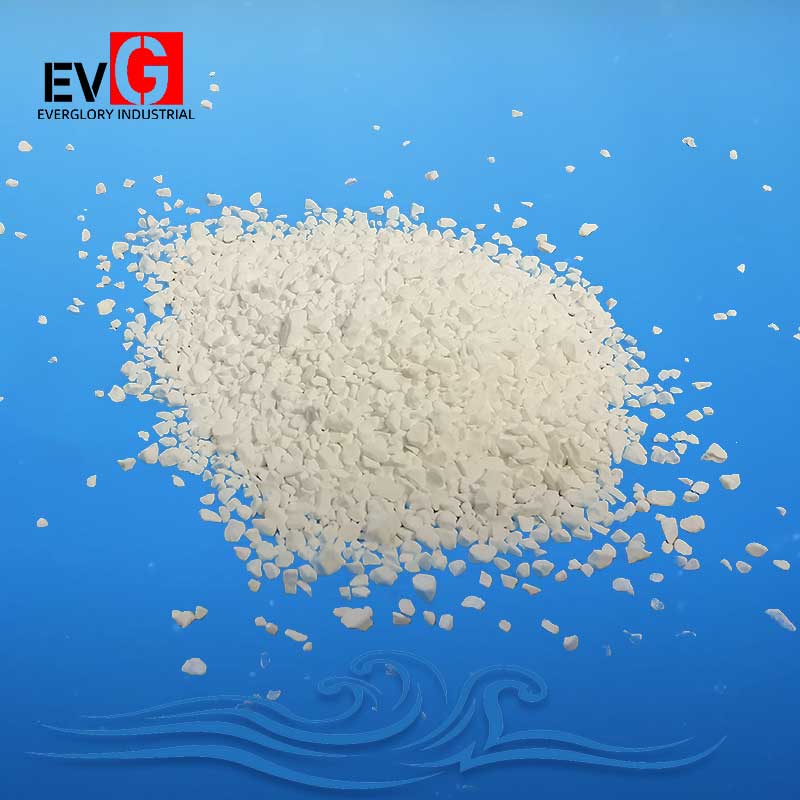
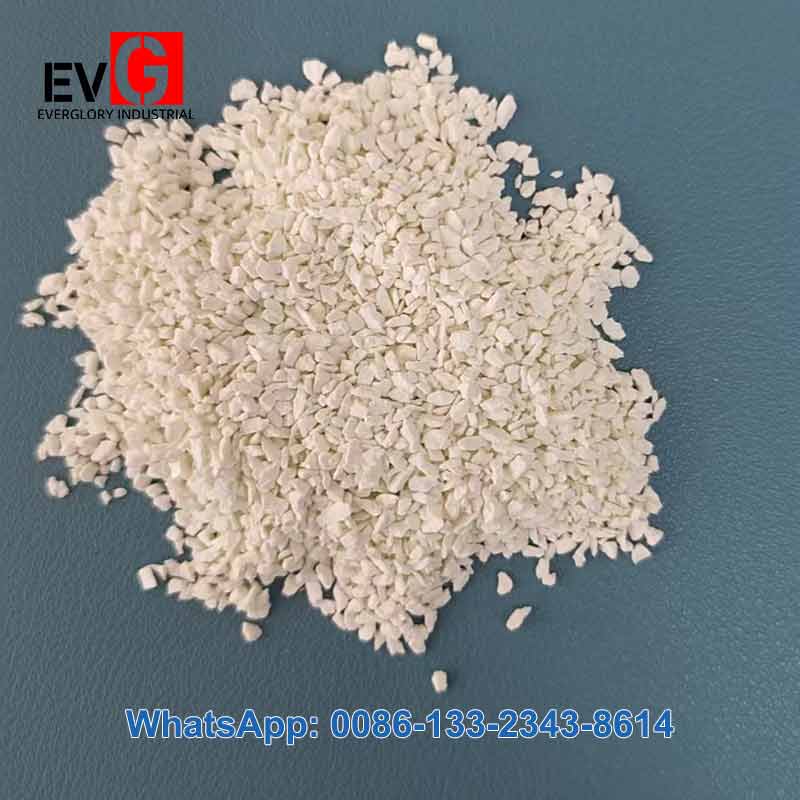
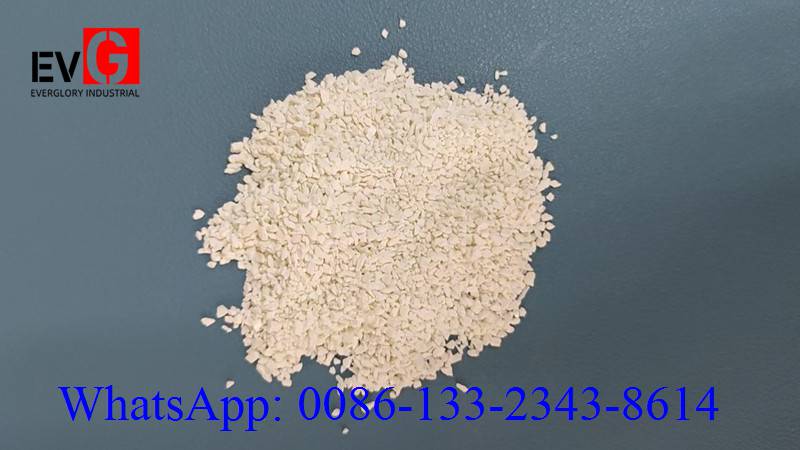
Among all solid chlorine forms, chlorine granules offer the greatest dosing flexibility. They can be broadcast directly across a pool surface, pre-dissolved in a bucket for controlled application, or loaded into erosion feeder systems for automated dosing — one product form, three application strategies. This adaptability is why chlorine granules are the workhorse of pool service companies, water treatment contractors, and industrial sanitation teams worldwide. Everglory Industrial manufactures and exports chlorine granules in two chemistries — calcium hypochlorite 65-70% and TCCA (trichloroisocyanuric acid) 90% — and two particle distributions, 8-30 mesh and 14-50 mesh, giving buyers precise control over dissolution speed and dosing accuracy. This page focuses on how to use, dose, handle, and store granular chlorine correctly; for full product specifications, see our granular chlorine product pages.
How to Use Chlorine Granules Correctly
Correct application technique determines both disinfection performance and surface safety. There are four accepted methods for applying chlorine granules, each suited to different pool types and operational scenarios:
- Broadcasting on the pool surface: With the circulation pump running, walk around the pool edge and scatter the measured dose of granules evenly across the deep end. The pump should run for at least 2-4 hours afterward so the dissolved chlorine distributes fully. Never broadcast into a still pool — uneven distribution creates localized high-chlorine zones. This is the fastest method and standard practice for concrete and tiled pools.
- Pre-dissolving in a bucket: For vinyl-lined pools, colored plaster, and fiberglass shells, pre-dissolving prevents bleaching and staining. Fill a clean plastic bucket with warm water first, then slowly add granules while stirring — never add water to the granules. Stir until fully dissolved, let any residue settle, and pour the solution evenly around the pool edge with the pump running.
- Feeder and erosion systems: Commercial facilities often feed dissolved granular chlorine through dosing tanks and metering pumps connected to the circulation line. This automates chlorination for hotels, aquatic centers, and treatment plants, maintaining a constant residual with minimal labor. Granular products specified for feeders should dissolve completely without leaving residue that could clog injection fittings.
- Shock treatment application: To break down chloramines and clear cloudy water, apply an elevated dose — typically 5-10 times the normal maintenance rate — in the evening so sunlight does not degrade the chlorine before it works. Dissolve the shock dose in a bucket or broadcast evenly, run the pump overnight, and wait until free chlorine falls below 5 mg/L before allowing swimmers back into the water.
Chlorine Granules Dosing Reference
Dosage depends on the application, target residual, and the available chlorine content of the product used. The table below provides typical starting values for chlorine granules at 70% available chlorine; always verify the result with a reliable test kit and adjust to local conditions and regulations:
Available Chlorine Granule Products
Everglory Industrial produces four standard chlorine granules grades. Mesh size controls dissolution behavior: coarser 8-30 mesh granules sink and dissolve steadily on the pool floor, while finer 14-50 mesh granules dissolve faster near the surface — ideal for quick correction of chlorine levels:
Safe Handling Practices
Chlorine granules are oxidizing solids classified as dangerous goods, and disciplined handling protects both workers and product quality. Train all warehouse and field personnel on these six rules:
- Wear protective equipment: Chemical-resistant gloves, safety goggles, and closed footwear are mandatory whenever opening drums or dosing granules. Avoid inhaling dust — work upwind when broadcasting outdoors and consider a dust mask for bulk transfers.
- Never mix different chlorine types: Calcium hypochlorite and trichlor products must never come into contact with each other, with acids, or with ammonia compounds. Cross-contamination can trigger violent reactions. Use dedicated scoops and dosing equipment for each chemistry.
- Add chemical to water, never the reverse: When pre-dissolving, always fill the bucket with water first and add granules slowly to the water. Adding water to granules can cause localized overheating, spattering, and chlorine gas release.
- Ventilate storage areas: Drums must be kept in well-ventilated spaces so any minor chlorine off-gassing disperses safely. Never store or open drums in enclosed, unventilated rooms.
- Keep away from organics and oils: As strong oxidizers, chlorine granules react dangerously with solvents, rags, paper waste, oils, and combustible materials. Store and use only with clean, dedicated tools on clear, dry surfaces.
- Spill response: For small spills, sweep up dry granules with a clean dustpan, place them in a separate open container for controlled use, and rinse the area thoroughly. Never wash granules into drains containing organic matter, and never return swept-up product to the original drum.
Storage Guidelines for Maximum Shelf Life
Heat and moisture are the two enemies of chlorine granules. Store drums in a cool, dry place below 30°C, away from direct sunlight and humidity, and always keep granules in the original sealed plastic drum until the moment of use. The original closure is engineered to block moisture ingress; transferring product to improvised containers accelerates degradation and creates contamination risk. Segregate drums from acids, ammonium compounds, and combustible materials.
Under these conditions, expected shelf life is 24 months from production, with available chlorine loss well under 3% per year for TCCA granules and modest decay for calcium hypochlorite grades. Inspect stock periodically for degradation signs: a strong chlorine smell from a closed drum, caked or hardened granules, yellowing color, or drum wall corrosion all indicate moisture exposure or thermal stress. Degraded product has lost dosing accuracy and should be used promptly for low-criticality applications or disposed of through approved channels.
Chlorine Granules vs Chlorine Tablets
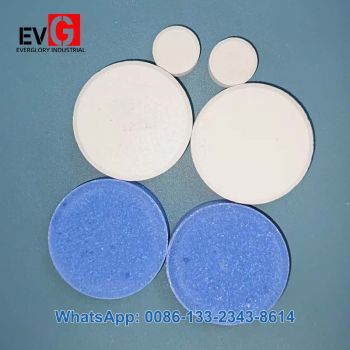
Granules and tablets are complementary forms, not competing ones. Use this comparison to advise end customers on the right form for each scenario:
Bulk Supply and Packaging
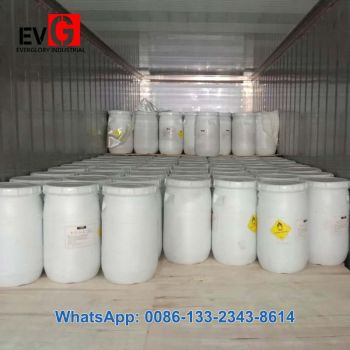
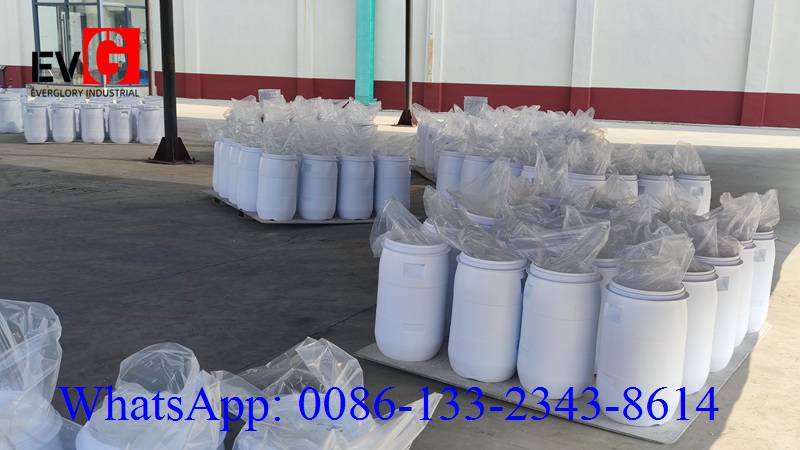
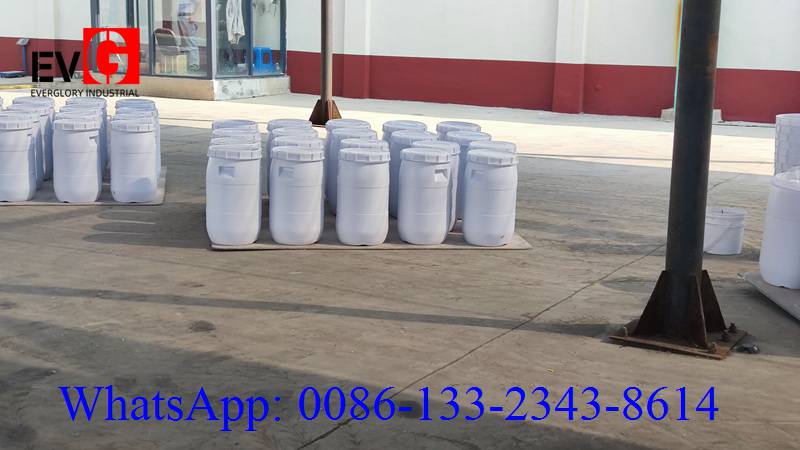
All chlorine granules from Everglory Industrial are packed exclusively in UN-certified plastic drums with inner liners, compliant with UN 2880 / UN 2468 Class 5.1 requirements for sea freight. Standard drum sizes:
For distributors building a retail line, the 5 kg and 10 kg drums are retail-friendly formats: manageable weight for consumers, compliant UN marking, and a full-face label panel ready for your brand artwork. Combine them with 25 kg or 50 kg drums for the trade side of your business, and you cover both market segments from a single shipment. Custom drum weights and private label printing are available for qualifying volumes.
Frequently Asked Questions
Q: Can chlorine granules be added directly to the pool?
Yes, on concrete, tiled, and most painted surfaces — broadcast the measured dose evenly with the pump running for several hours afterward. For vinyl-lined, fiberglass, or dark-colored pools, pre-dissolve the granules in a bucket of water first and pour the solution around the edge, because undissolved granules resting on these surfaces can bleach or stain them.
Q: How do I pre-dissolve chlorine granules safely?
Fill a clean plastic bucket no more than two-thirds with cool-to-warm water, add the granules slowly while stirring, and always add chemical to water — never pour water onto granules. Stir until fully dissolved, let residue settle, and distribute the solution evenly around the pool with circulation running. Prepare only what you will use immediately.
Q: What is the difference between chlorine granules and chlorine tablets?
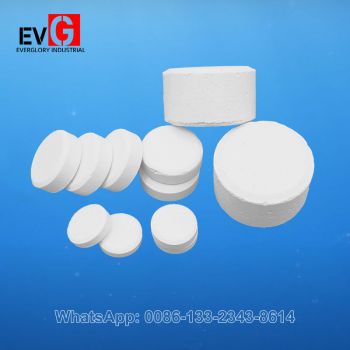
Granules dissolve in minutes, allow any dose size, and are ideal for shock treatment, rapid corrections, and service-route work. Tablets dissolve over hours to days in fixed 20g or 200g increments, providing unattended residual maintenance in skimmers and feeders. Most professional programs use both: granules for weekly service and shocking, tablets between visits.
Q: Which granule type is best for weekly pool service routes?
Calcium hypochlorite 70% in 8-30 mesh is the standard choice: it broadcasts quickly, dissolves before the technician leaves the site, and raises chlorine fast enough to hold the water until the next visit. In outdoor pools with heavy sun exposure, TCCA 90% granules are preferred because the cyanuric acid backbone slows chlorine photolysis.
Q: What is the minimum order quantity for chlorine granules?
The standard MOQ is 1 metric ton for trial orders, which lets new buyers test market response before committing to volume. For recurring supply we recommend a full 20ft container of 20-27 MT depending on the drum sizes selected. Contact our export team for current pricing by destination port.
Q: Do you offer private label chlorine granules?
Yes. We print your brand name, logo, hazard labeling, and contact details on drum labels for private label clients, and we support custom drum weights for retail formats. Private label orders typically start at 5 tons per SKU. Our design team works from your artwork files to match market-specific labeling regulations.
Need fast-dissolving chlorine granules for pools, spas, or water treatment? Contact Everglory Industrial for a quotation with CIF pricing to your destination port. Choose your chemistry, mesh size, drum sizes, and volume — our export team replies within 24 hours in English, French, or Spanish, complete with COA, MSDS, and full dangerous goods documentation.