Products
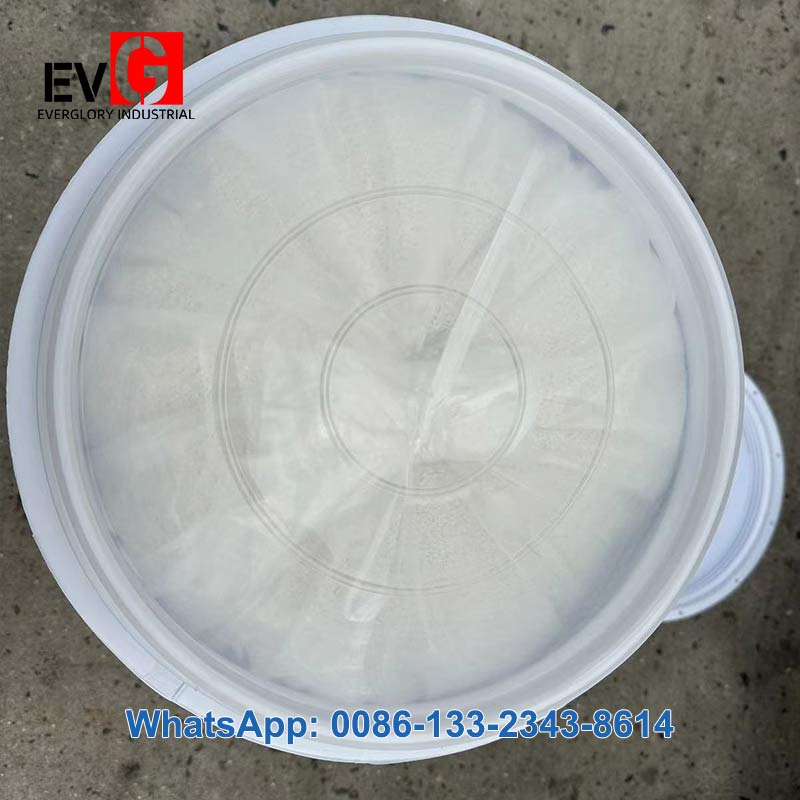
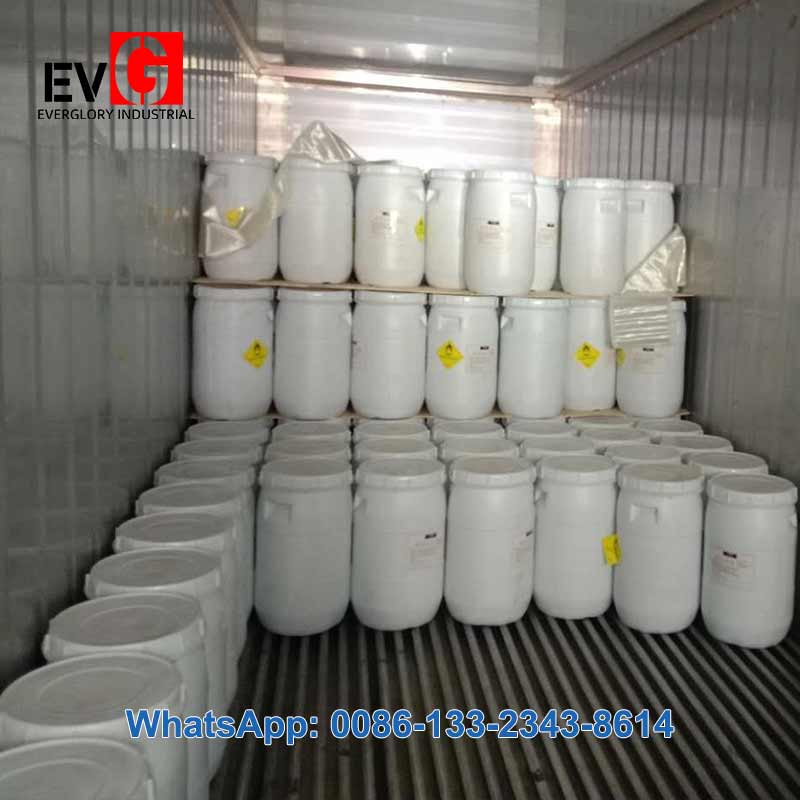
Pool Chlorine Granules — Fast-Acting Shock & Daily Sanitizer
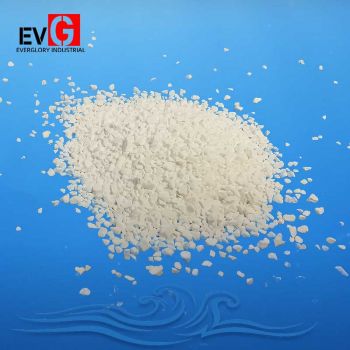
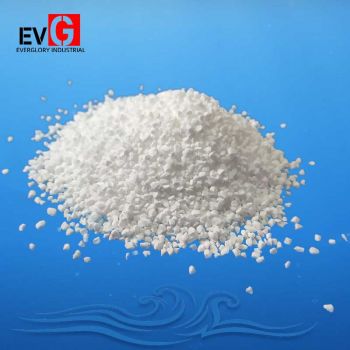
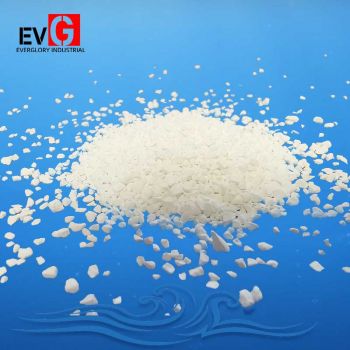
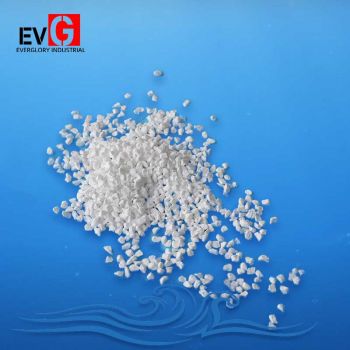
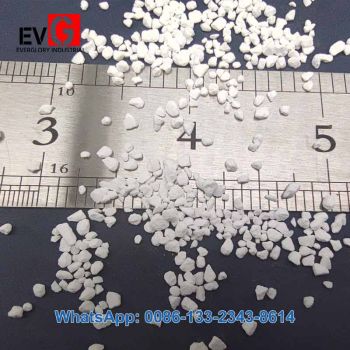
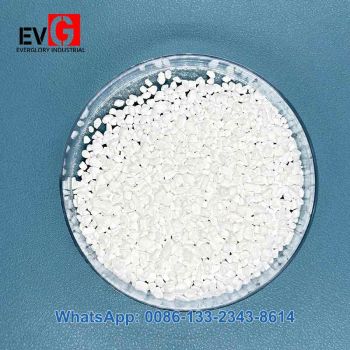
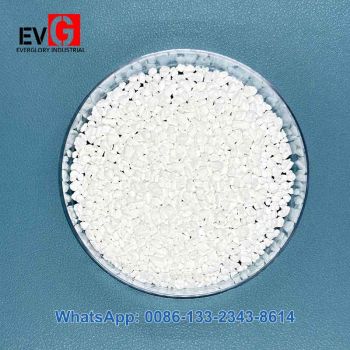
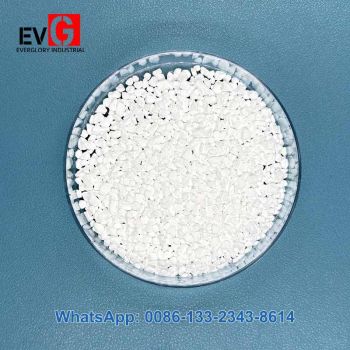
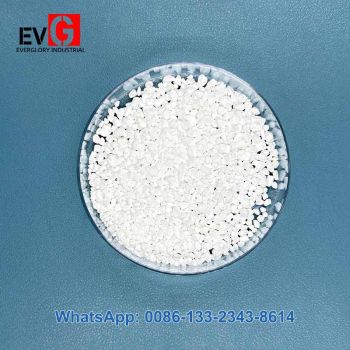
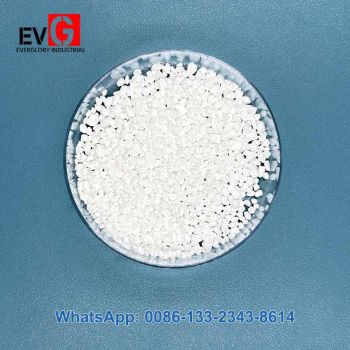
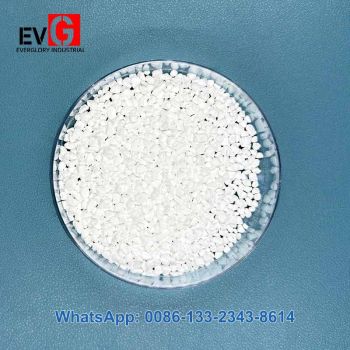
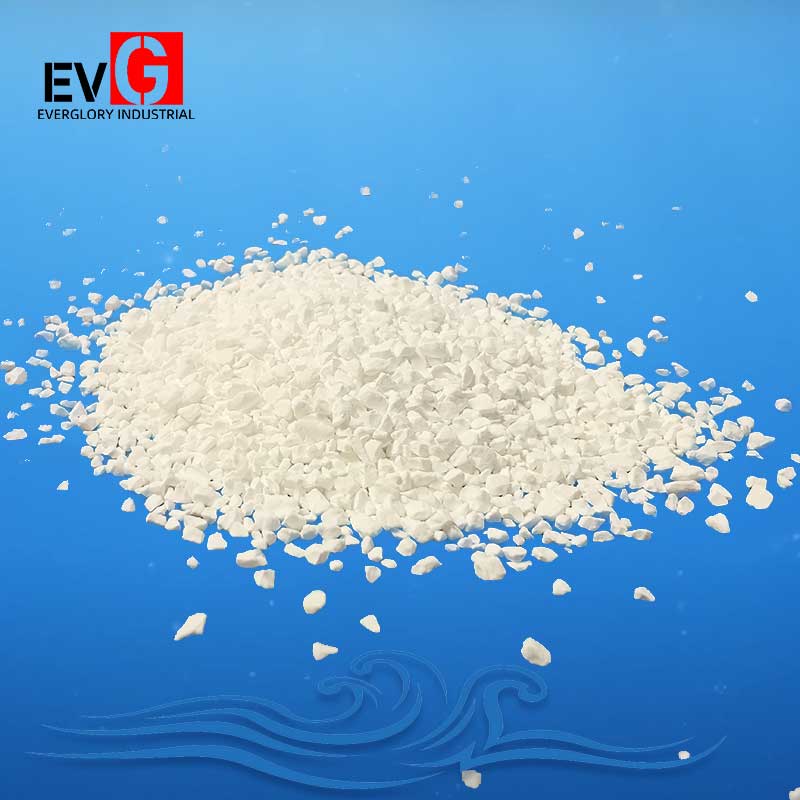
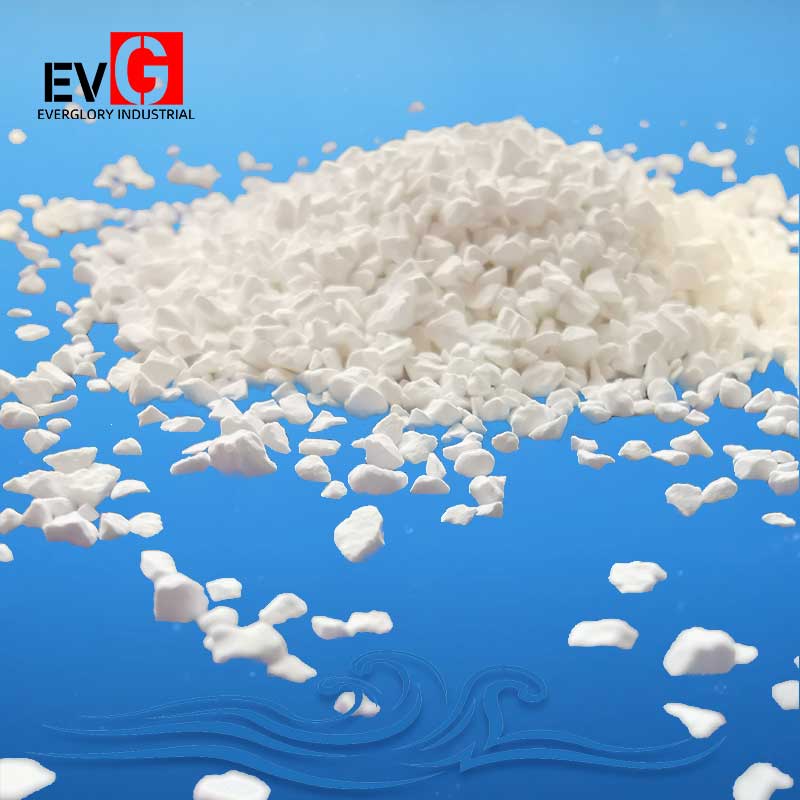
Description: Chlorine Granules for pool
Exact products include: Cal Hypo, Trichlor(TCCA), Dichlor(SDIC chemical), BCDMH and Chlorine dioxide.
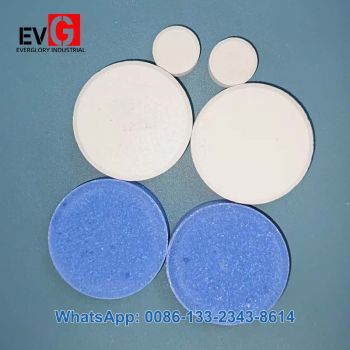
Colour: white or grey-white
Form:granules
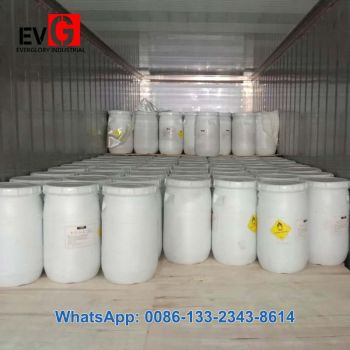
Package: round drum, square drum, customized package is accepted.
Hazardous :yes
Pool chlorine granules provide rapid, flexible disinfection that tablet formulations cannot match. Whether you need to shock-treat a green pool, boost chlorine levels before a pool party, or maintain daily sanitizer residuals, granular chlorine delivers immediate results. Everglory Industrial manufactures premium pool chlorine granules in multiple chemical formulations, particle sizes, and packaging options for pool service companies, distributors, and retailers worldwide.
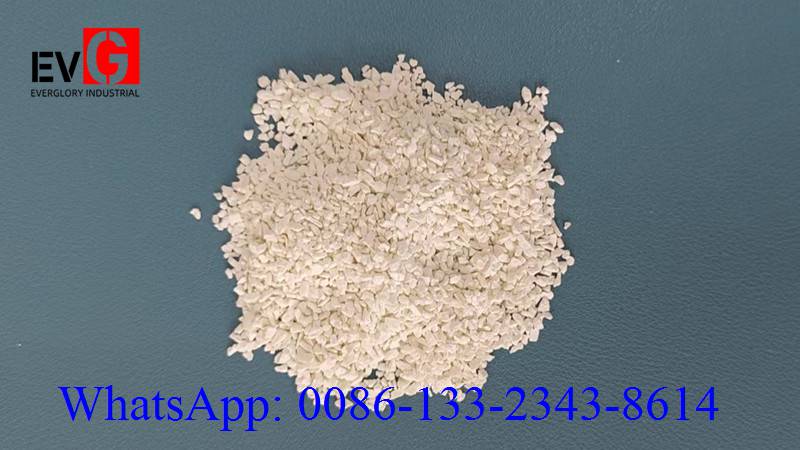
Advantages of Granular Chlorine for Pools
While tablets are ideal for maintenance dosing, granular chlorine serves critical functions that tablets cannot:
- Instant dissolution: Granules dissolve within minutes, raising free chlorine levels immediately — essential for shock treatment
- Flexible dosing: Adjust dosage precisely based on current chlorine levels, pool volume, and contamination severity
- Spot treatment: Apply directly to problem areas (algae blooms, debris contamination) for targeted treatment
- No dispenser required: Granules can be broadcast directly into the pool, eliminating chlorinator dependency
- Cost-effective shock: Lower cost per treatment compared to liquid shock chlorine
Pool Chlorine Granule Formulations
1. Calcium Hypochlorite Granules (Cal Hypo) — 65–70%
The most popular granular chlorine for pool shock treatment in North America. Cal Hypo granules dissolve quickly, deliver 65–70% available chlorine, and are unstabilized — meaning they provide full-strength chlorination without adding cyanuric acid. Ideal for weekly shock treatment, algae remediation, and indoor pool maintenance.
| Specification | Value |
|---|---|
| Available Chlorine | ≥ 70% |
| Particle Size | 8–30 mesh (granular) / 14–65 mesh (fine) |
| pH (1% solution) | 10.0 – 11.0 |
| Dissolution Time | 5–10 minutes (with circulation) |
| CAS Number | 7778-54-3 |
| UN Number | 2880 (Class 5.1) |
| Stabilizer | None |
2. TCCA 90 Granules — 90% Available Chlorine
TCCA granules offer the highest chlorine concentration in stabilized form. The built-in cyanuric acid protects chlorine from UV degradation, making TCCA granules ideal for outdoor pool shock treatment and daily maintenance in sunny climates. Dissolves slightly slower than Cal Hypo but provides longer-lasting residual.
| Specification | Value |
|---|---|
| Available Chlorine | ≥ 90% |
| Particle Size | 8–30 mesh / 20–60 mesh |
| pH (1% solution) | 2.7 – 3.3 |
| Dissolution Time | 10–15 minutes (with circulation) |
| CAS Number | 87-90-1 |
| UN Number | 2468 (Class 5.1) |
| Stabilizer (CYA) | ~55% |
3. Sodium Dichloroisocyanurate (SDIC) Granules — 56% / 60%
SDIC granules are pH-neutral (6.0–7.0), making them the gentlest option for pool water chemistry. They dissolve rapidly and contain cyanuric acid stabilizer. Popular for spa treatment, above-ground pools, and applications where pH balance is critical.
How to Use Pool Chlorine Granules
Daily/Weekly Maintenance Dosing
For routine pool sanitization, add granular chlorine to maintain 1–3 ppm free chlorine:
| Pool Volume | Cal Hypo 70% (per dose) | TCCA 90% (per dose) |
|---|---|---|
| 10,000 gal (38 m³) | 100–150g | 50–80g |
| 20,000 gal (76 m³) | 200–300g | 100–160g |
| 40,000 gal (151 m³) | 400–600g | 200–320g |
Shock Treatment Dosing
For shock chlorination (superchlorination), apply 5–10x the normal maintenance dose to raise free chlorine to 10+ ppm:
| Pool Volume | Cal Hypo 70% (shock dose) | TCCA 90% (shock dose) |
|---|---|---|
| 10,000 gal (38 m³) | 500–700g | 250–400g |
| 20,000 gal (76 m³) | 1,000–1,400g | 500–800g |
| 40,000 gal (151 m³) | 2,000–2,800g | 1,000–1,600g |
Application Method
- Test water: Check pH (adjust to 7.2–7.6 before shocking) and current free chlorine level
- Pre-dissolve (recommended): Dissolve granules in a clean bucket of pool water, then distribute around the pool perimeter. This prevents bleaching of pool surfaces and ensures even distribution
- Direct broadcast (alternative): With pump running, broadcast granules directly into the pool, concentrating on deep-end areas. Avoid windy conditions
- Run pump: Circulate water for at least 1–2 hours after application
- Wait before swimming: Do not re-enter pool until free chlorine drops below 5 ppm (typically 4–8 hours for maintenance dose, 12–24 hours for shock dose)
Cal Hypo vs. TCCA Granules for Pool Use
| Factor | Cal Hypo 70% | TCCA 90% |
|---|---|---|
| Chlorine Content | 70% | 90% |
| Dissolution Speed | Faster (5–10 min) | Slower (10–15 min) |
| UV Protection | No | Yes (CYA stabilizer) |
| Best For | Shock treatment, indoor pools | Outdoor pools, daily maintenance |
| pH Impact | Raises pH | Lowers pH |
| Calcium Hardness | Increases | No effect |
| Cost per Treatment | Lower (more product needed) | Higher (less product needed) |
Packaging Options
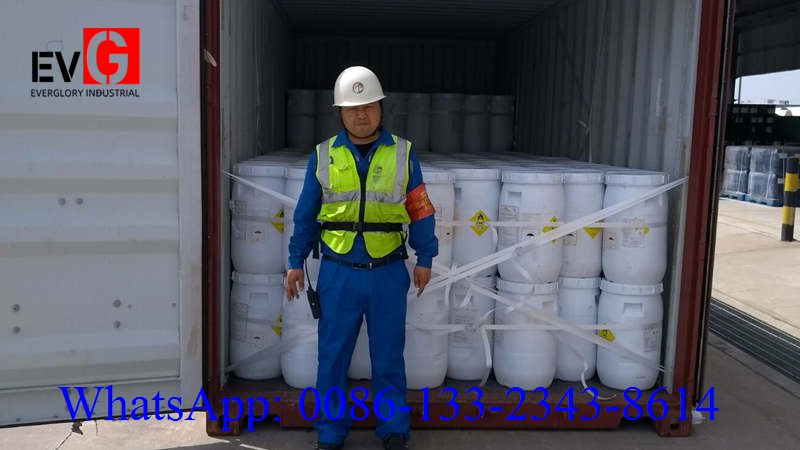
All pool chlorine granules are packed in UN-certified plastic drums with inner liners, available in 5kg, 10kg, 15kg, 20kg, 25kg, 40kg, 45kg, and 50kg sizes. Custom drum weights are available upon request. All packaging complies with IMDG Code for Class 5.1 dangerous goods shipping, with UN numbers clearly marked (TCCA UN 2468, Calcium Hypochlorite UN 2880, SDIC UN 2465).
Safety Precautions
Pool chlorine granules are strong oxidizers. Always add granules to water — never water to granules. Wear safety goggles and gloves when handling. Do not mix with other chemicals, especially acids, ammonia, or TCCA products. Store in original sealed containers in a cool, dry place away from combustible materials.
Frequently Asked Questions
Q: Can I use chlorine granules instead of tablets?
Yes, but they serve different purposes. Granules are best for shock treatment and rapid chlorine boosts, while tablets provide slow, consistent daily sanitization. Most pool professionals use both: tablets for maintenance and granules for weekly shocking and problem remediation.
Q: Can I put chlorine granules directly in the skimmer?
No. Never put granular chlorine in the skimmer. Concentrated chlorine can damage the pump, filter, and heater components. Always dissolve granules in a bucket first, or broadcast directly into the pool water with the pump running.
Q: How soon can I swim after adding chlorine granules?
For maintenance dosing (1–3 ppm), wait at least 1–2 hours with the pump running. For shock treatment (5–10+ ppm), wait 8–24 hours until free chlorine levels drop below 5 ppm. Always test the water before re-entering the pool.
Q: What is the difference between chlorine granules and pool shock?
"Pool shock" is simply a high dose of chlorine (or non-chlorine oxidizer) applied to eliminate contaminants. Chlorine granules — particularly calcium hypochlorite 70% — are the most common chemical used for shock treatment. The terms are often used interchangeably, though "shock" can also refer to potassium monopersulfate (non-chlorine shock) products.
Q: Do you supply custom or pre-measured packaging?
Yes, we offer custom packaging solutions for retail pool care brands, including private label drum branding and multilingual labels. For specialized pre-measured packaging formats, please contact us to discuss specific requirements and minimum order quantities.