Products
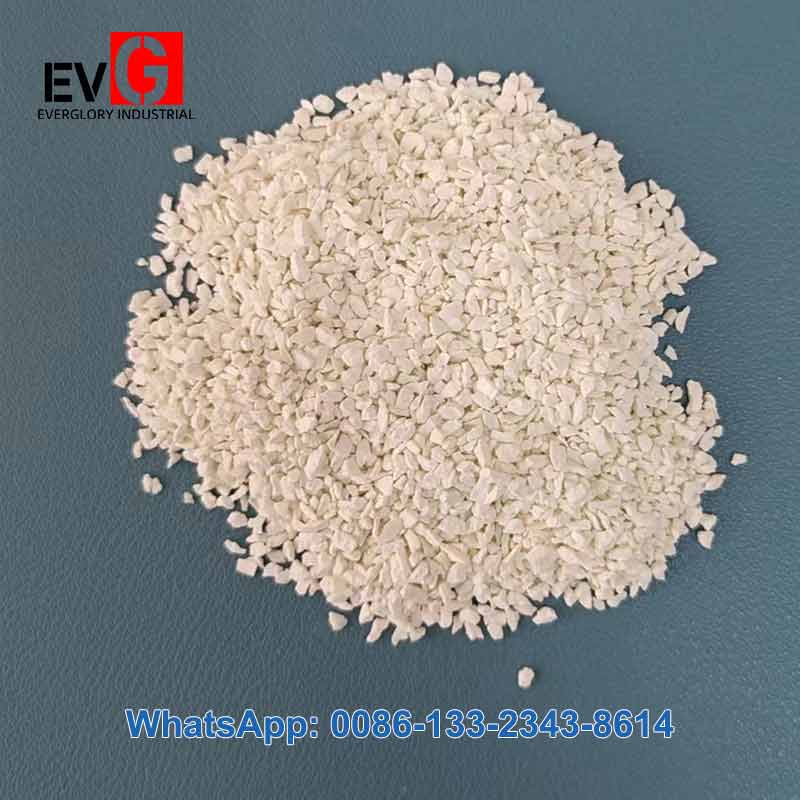
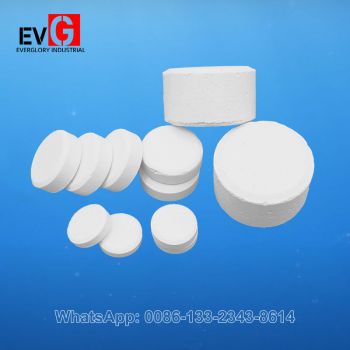
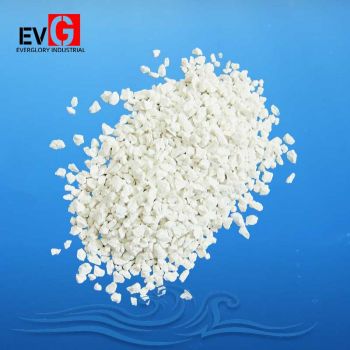
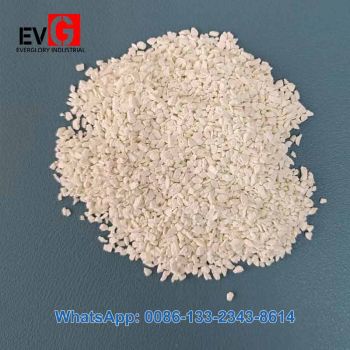
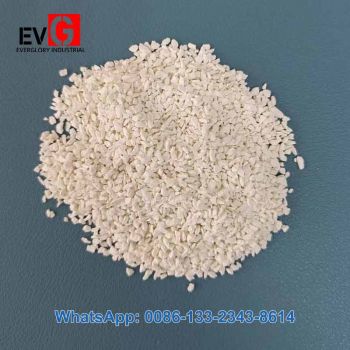
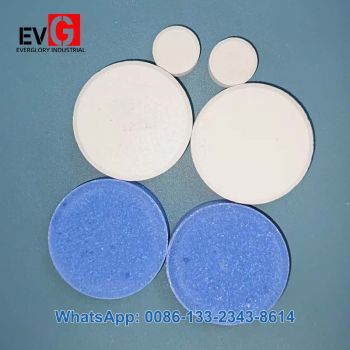
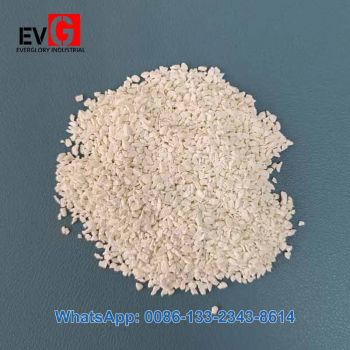
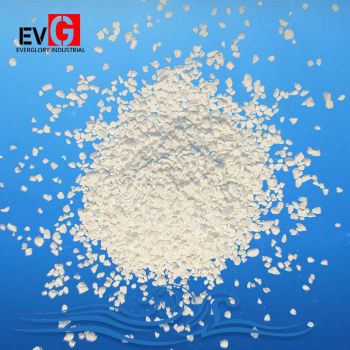
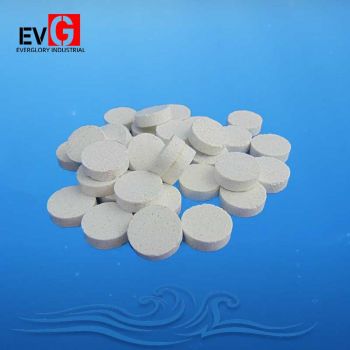
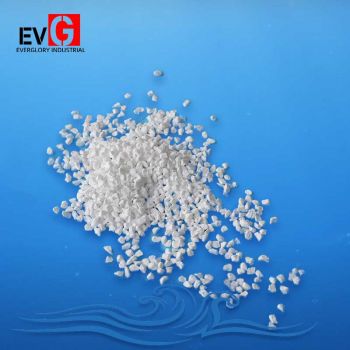
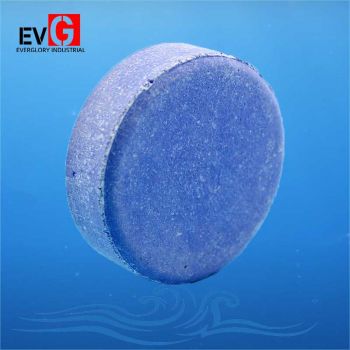
Sodium dichloroisocyanurate dihydrate is the crystalline dihydrate form of SDIC — the stabilized chlorine disinfectant also known as troclosene sodium. Carrying CAS number 51580-86-0 and a minimum of 56% available chlorine, this grade locks two water molecules into every crystal unit, a structure that delivers dependable storage stability and steady chlorine release. Buyers across regional markets specify it for SDIC drinking water disinfection programs, pool maintenance, aquaculture hygiene, and institutional disinfection: fast dissolution, built-in cyanuric acid protection against sunlight, and a near-neutral solution pH of 5.5-7.0. Everglory Industrial manufactures and exports the dihydrate grade to ISO 9001 standards as SDIC 56% granular (8-30 mesh and 20-40 mesh) and tablets (20 g and 3.3 g), packed in UN 2465 certified plastic drums.
What Is Sodium Dichloroisocyanurate Dihydrate?
Sodium dichloroisocyanurate is sold commercially in two grades: the anhydrous form (CAS 2893-78-9) at 60% minimum available chlorine, and the dihydrate form (CAS 51580-86-0) at 56% minimum. In the dihydrate, two molecules of water of crystallization are integrated into each molecular unit — structural crystal water, not free moisture. The molecular formula is C3Cl2N3NaO3·2H2O with a molecular weight of approximately 256.
The embedded crystal water dilutes the chlorine concentration to 56% but contributes real practical value: the dihydrate crystal is the most storage-stable commercial form of the compound, releases available chlorine at a controlled, predictable rate, and is the grade most widely traded through regional distribution networks — consistent from drum to drum and tolerant of extended warehouse cycles.
Dihydrate Product Specifications
Every production batch of sodium dichloroisocyanurate dihydrate is tested against the specification below before release, and a Certificate of Analysis accompanies each shipment:
Dihydrate vs Anhydrous SDIC 60: Which Grade to Order
The two grades are chemically the same disinfectant — the difference is crystal water and the chlorine strength that follows from it. The table below summarizes the decision points buyers use:
The guidance is practical: when tenders, import registrations, or local product registrations name the dihydrate grade — common across many regional markets — sodium dichloroisocyanurate dihydrate is the correct specification. When freight distance is very long and budgets are computed per unit of chlorine delivered, the anhydrous 60% grade may justify itself. Our sales team compares both grades against your destination, volume, and registration requirements.
Why Buyers Specify the Dihydrate Grade
- Storage stability: the dihydrate crystal tolerates extended warehouse cycles with negligible chlorine loss, protecting distributors who hold stock between seasons
- Controlled chlorine release: dissolution in water is fast yet steady, giving operators predictable residuals without the spikes of unstable product
- UV-stabilized chemistry: built-in cyanuric acid protection shields the chlorine from sunlight degradation in outdoor pools, ponds, and open storage tanks
- Near-neutral solution pH: the 5.5-7.0 range of a 1% solution minimizes pH drift after dosing, reducing corrective chemical consumption
- Registration-friendly grade: in many markets the dihydrate is the reference grade on product registrations and public tenders, simplifying import and compliance paperwork
Applications of Sodium Dichloroisocyanurate Dihydrate
- Drinking water treatment: rural networks, well-head dosing, and emergency supply programs value the stable residuals the dihydrate maintains through distribution
- Swimming pools and spas: daily maintenance dosing and tablet feeders, where near-neutral pH protects equipment and bather comfort
- Aquaculture: measured doses control pathogens in ponds and hatcheries, with dechlorination before stocking fish or shrimp
- Institutional and surface disinfection: hospitals, schools, and food processing facilities prepare working solutions from fast-dissolving granular
- Household and industrial hygiene programs: regional brands formulate disinfectant product lines around the dihydrate grade for its reliability and cost position
Dosing Guidelines for SDIC 56
Because the dihydrate carries 56% available chlorine, slightly more product by weight is needed than with a 60% grade to deliver the same chlorine dose. The reference points below are starting values — always verify residual chlorine with a test kit and adjust to local regulations:
Packaging and Storage
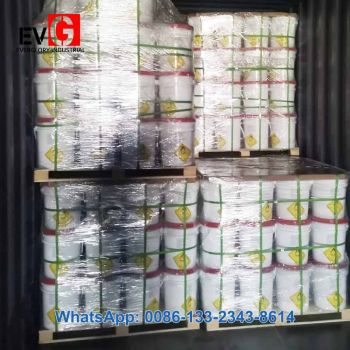
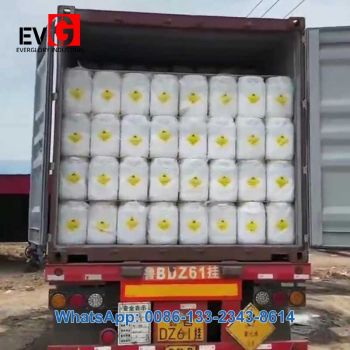
All sodium dichloroisocyanurate dihydrate shipments from Everglory Industrial are packed in UN 2465 certified plastic drums with inner liners, compliant with IMDG code requirements for maritime transport:
Store sodium dichloroisocyanurate dihydrate in the original sealed drum in a cool, dry, well-ventilated area away from direct sunlight and heat. Keep strictly separate from acids, ammonia-containing products, and calcium hypochlorite — contact between these materials can trigger dangerous reactions. Reseal drums tightly after each use. Under proper storage, shelf life is 24 months from production date.
Frequently Asked Questions
Q: What is sodium dichloroisocyanurate dihydrate?
Sodium dichloroisocyanurate dihydrate is the dihydrate crystal form of SDIC (troclosene sodium), CAS 51580-86-0, with a minimum of 56% available chlorine. Two water molecules are built into each crystal unit, giving the grade excellent storage stability and steady chlorine release in water treatment applications.
Q: What is the difference between sodium dichloroisocyanurate dihydrate and anhydrous?
The dihydrate (CAS 51580-86-0) carries 56% minimum available chlorine; the anhydrous form (CAS 2893-78-9) carries 60%. The difference is two molecules of crystal water per unit. Dihydrate is preferred for regional distribution and tenders naming that grade; anhydrous wins on long-haul freight where chlorine per shipped kilogram drives cost.
Q: Is the dihydrate grade safe for drinking water dosing?
Yes. Typical dosing of 3-5 mg/L targets a residual of 0.3-0.5 mg/L free chlorine after a minimum 30-minute contact time. Always follow your national drinking water regulations and verify residual chlorine before distribution.
Q: What forms and mesh sizes are available?
Sodium dichloroisocyanurate dihydrate is supplied as SDIC 56% granular in 8-30 mesh and 20-40 mesh, and as tablets in 20 g and 3.3 g weights. Other special requirements can be discussed with our sales team.
Q: What is the minimum order quantity and lead time?
The standard MOQ is 1 metric ton for trial orders; regular supply is best planned around a full 20ft container. Typical production lead time is 10-15 days after order confirmation, plus ocean transit. A firm schedule is confirmed in the proforma invoice.
Q: Do you offer OEM private label for the dihydrate grade?
Yes. We print your company name, logo, and contact details on drum labels, with custom drum weights available for private label programs. Our team shares label artwork templates for your approval before production.
Q: What is troclosene sodium dihydrate?
Troclosene sodium dihydrate is the INN (International Nonproprietary Name) for sodium dichloroisocyanurate dihydrate. It is the same substance, the same CAS 51580-86-0, and the same 56% minimum available chlorine grade. Pharmaceutical references and European regulatory documents use the INN designation, while commercial trade still favors the chemical name. When a tender or specification lists troclosene sodium dihydrate, Everglory Industrial supplies it directly from the dihydrate grade documented on this page.
Ready to source sodium dichloroisocyanurate dihydrate? Contact Everglory Industrial today for a free quotation with CIF pricing to your destination port. Send your required form (granular or tablets), mesh size, drum size, and monthly volume — our export team responds within 24 hours and communicates fluently in English, French, and Spanish.