Products
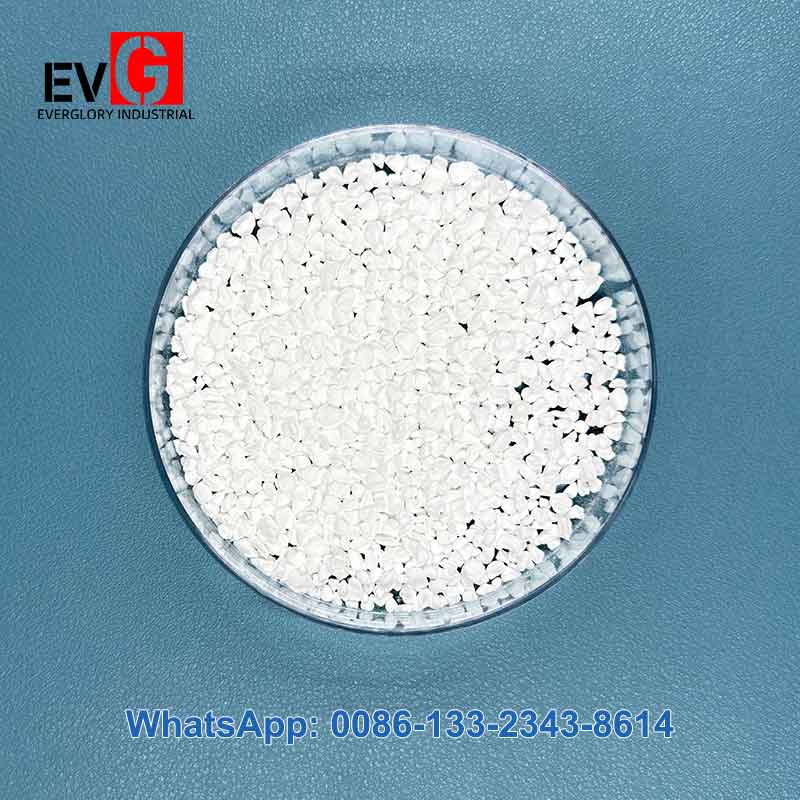
Sodium Dichloroisocyanurate — Fast-Dissolving Stabilized Chlorine from Everglory
Sodium dichloroisocyanurate is the fast-dissolving member of the isocyanurate chlorine family — a stabilized organic chlorine donor engineered for applications where rapid disinfection matters. Where trichlor releases chlorine slowly and calcium hypochlorite drives pH sharply upward, sodium dichloroisocyanurate dissolves within minutes, holds a near-neutral solution pH, and carries built-in cyanuric acid stabilization that protects the chlorine residual from sunlight destruction. Everglory Industrial manufactures and exports sodium dichloroisocyanurate in two commercial grades — 60% minimum available chlorine (anhydrous) and 56% minimum (dihydrate) — in granular and tablet forms to buyers in more than 60 countries, packed exclusively in UN 2465 certified plastic drums.
What Is Sodium Dichloroisocyanurate?
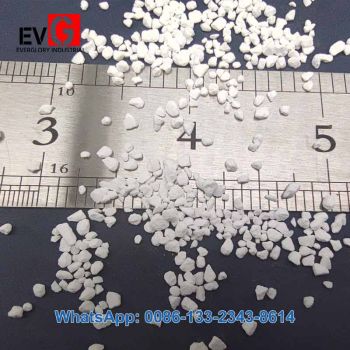
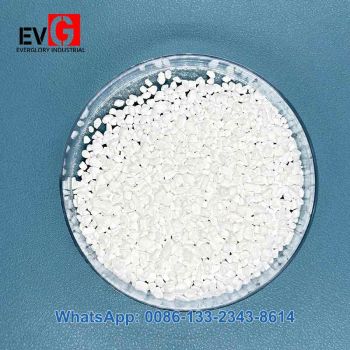
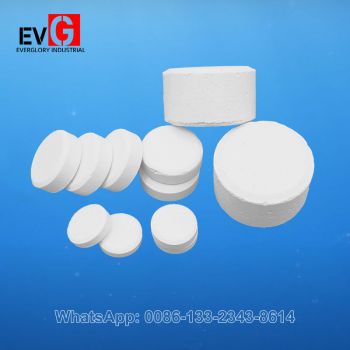
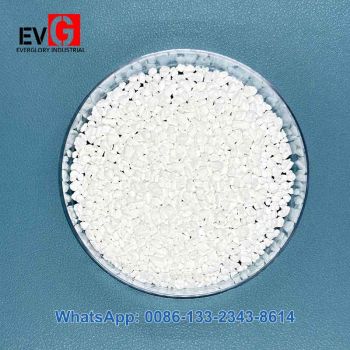
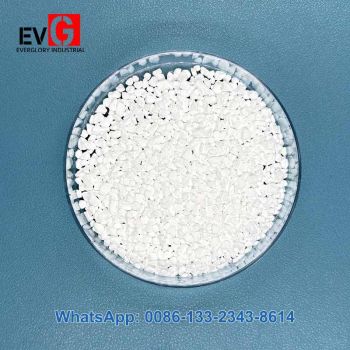
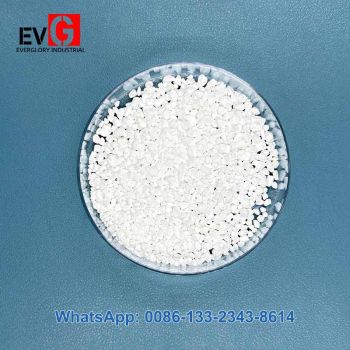
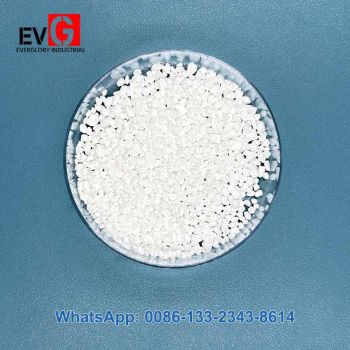
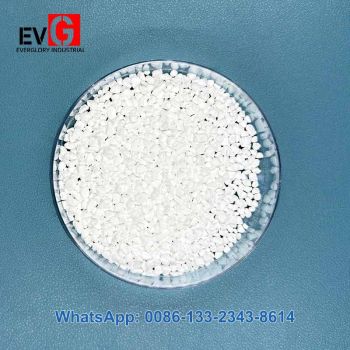
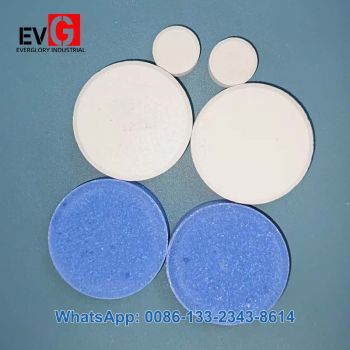
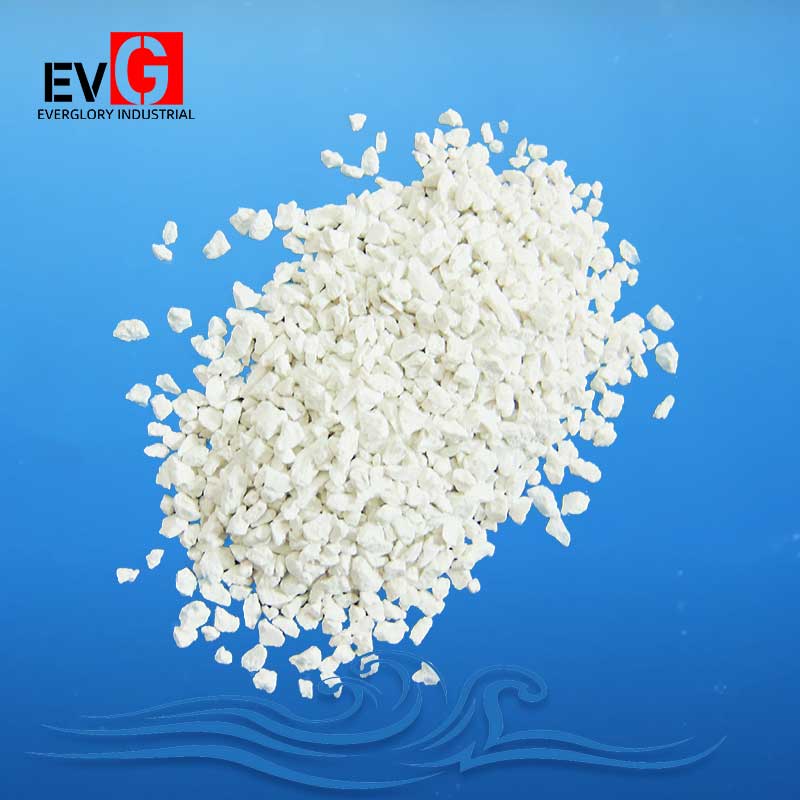
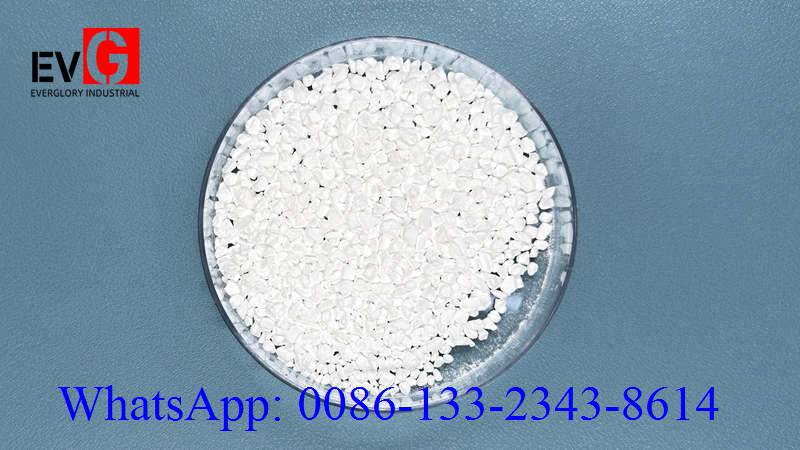
Sodium dichloroisocyanurate (SDIC) is a white crystalline chlorine-releasing agent built on a triazine ring backbone. Its chemical formula is C3Cl2N3NaO3 in the anhydrous form (CAS 2893-78-9) and C3Cl2N3NaO3·2H2O in the more common dihydrate form (CAS 51580-86-0). The product ships as a white granular solid or as compressed tablets. When SDIC contacts water, it hydrolyzes rapidly to release hypochlorous acid (HOCl) — the active biocidal species — together with cyanuric acid, which binds to the chlorine and shields it from ultraviolet photolysis. This dual action, fast kill plus UV protection, is what distinguishes sodium dichloroisocyanurate from every other solid chlorine used in water treatment programs worldwide.
Two commercial grades dominate international trade. The 60% minimum available chlorine grade is the anhydrous material, offering the highest chlorine payload per kilogram of any SDIC product. The 56% minimum grade is the dihydrate, slightly gentler in price and the most widely specified form for drinking water purification programs. Everglory Industrial produces both grades under an ISO 9001 quality system, with every batch titrated for available chlorine before release.
Key Properties of SDIC
The specification profile below summarizes the properties buyers verify when qualifying sodium dichloroisocyanurate for procurement:
Why Buyers Choose SDIC
- Fastest dissolution among stabilized chlorines: Sodium dichloroisocyanurate granular dissolves far faster than trichlor and faster than calcium hypochlorite granular, allowing shock dosing, feeder programs, and manual addition without residue or clouding
- Near-neutral pH: with a 1% solution pH of 5.0-7.0, SDIC is the gentlest solid chlorine on water balance — operators spend far less on pH correction chemicals compared with high-pH hypochlorites or acidic trichlor
- Built-in UV stabilization: the cyanuric acid released on dissolution shields free chlorine from sunlight degradation, extending residual life in outdoor pools, tanks, and reservoirs
- Ideal for drinking water programs: fast dissolution, neutral pH, and precise tablet weights make SDIC the standard chlorine donor for household and municipal drinking water purification across developing markets
- Safe, precise dosing in tablet form: pre-measured tablets eliminate field weighing errors and reduce operator exposure to dust — critical for hospital, emergency, and household deployment programs
SDIC vs TCCA vs Calcium Hypochlorite
Buyers frequently compare the three dominant solid chlorines. The table below positions sodium dichloroisocyanurate against trichloroisocyanuric acid (TCCA) and calcium hypochlorite:
Sodium Dichloroisocyanurate Applications
- Household and municipal drinking water purification: SDIC tablets and granular are a first-choice disinfectant for wells, rooftop tanks, and small-community systems where rapid, measurable residuals are required
- Swimming pools and spas: fast-dissolving granular for shock and maintenance dosing, with cyanuric stabilization keeping residuals stable in outdoor facilities
- Hospital surface disinfection: precisely weighed SDIC dissolved at defined concentrations produces effective hard-surface disinfectant solutions for wards and clinics
- Epidemic prevention and public health: health ministries and relief agencies stock SDIC for emergency chlorination of water and environmental sanitation during outbreaks
- Aquaculture: pond and hatchery water disinfection and equipment sanitation in fish and shrimp farming operations
- Food processing sanitation: sanitize processing surfaces, crates, and wash water in food plants under controlled dosing programs
Product Forms and Specifications
Packaging and Storage
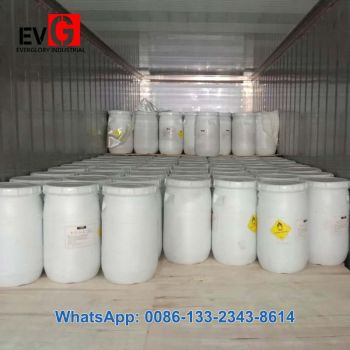
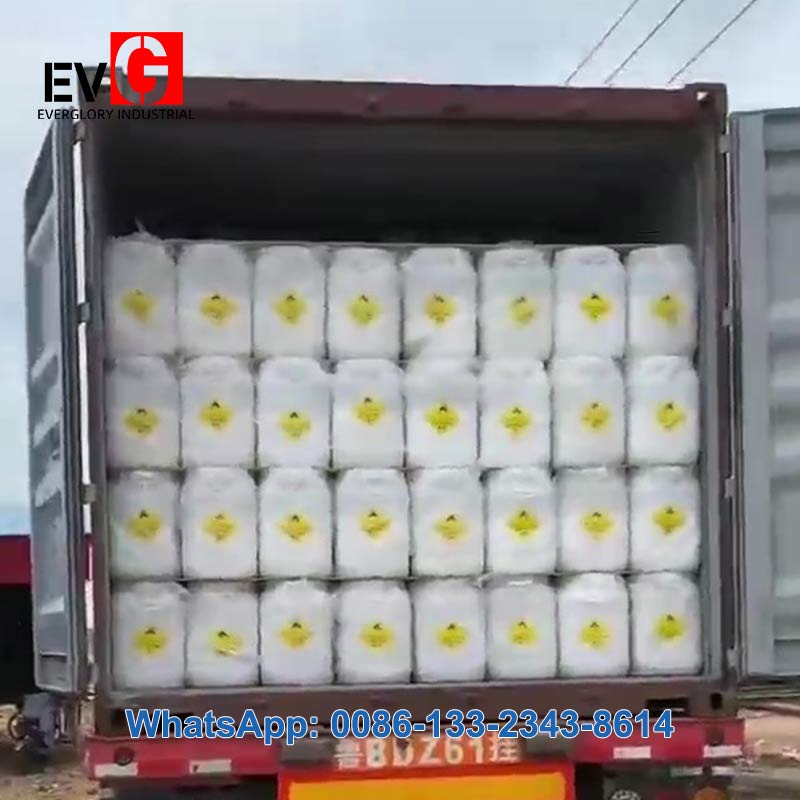
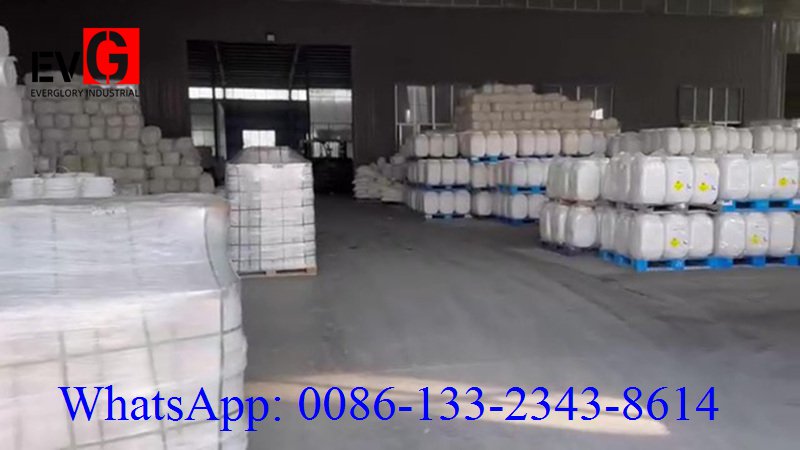
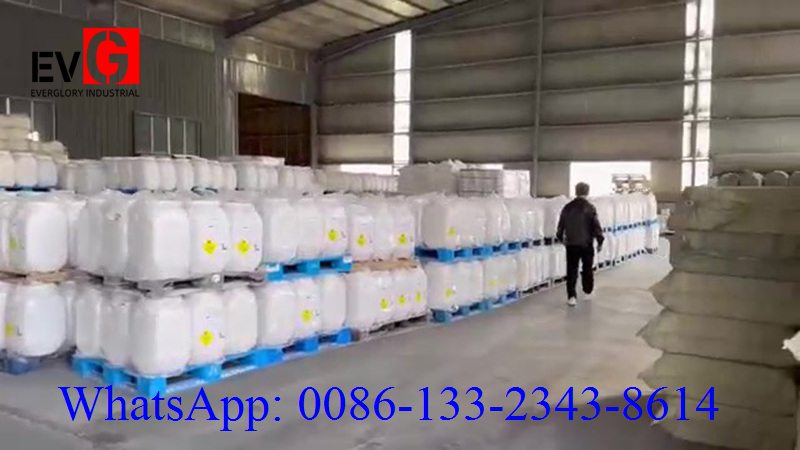
All sodium dichloroisocyanurate shipments from Everglory Industrial are packed in UN 2465 certified plastic drums with inner liners, fully compliant with IMDG maritime dangerous goods regulations:
Store sodium dichloroisocyanurate in the original sealed drum in a cool, dry, ventilated area out of direct sunlight. Keep it strictly separate from acids, ammonia compounds, and calcium hypochlorite — mixing SDIC with these materials can trigger dangerous reactions. Shelf life is 24 months from production when drums remain sealed and dry.
Quality Assurance and Export Documents
Everglory Industrial operates under an ISO 9001 certified quality management system. Every production batch of sodium dichloroisocyanurate is laboratory tested for available chlorine, moisture, and pH, and released with a Certificate of Analysis (COA) matched to the batch number printed on each drum. Material Safety Data Sheets (MSDS) are issued in English, French, and Spanish to match your regulatory filing requirements. Standard export documentation includes Certificate of Origin (COO), commercial invoice, packing list, bill of lading, and the dangerous goods declaration covering UN 2465 Class 5.1 transport. Buyers may also appoint third-party inspection agencies such as SGS or BV for pre-shipment verification, and we welcome tank-container and warehouse audits at any time.
Frequently Asked Questions
Q: What is the difference between SDIC 56% and SDIC 60%?
The difference is hydration state. SDIC 60% is the anhydrous form (CAS 2893-78-9) with a minimum of 60% available chlorine, while SDIC 56% is the dihydrate form (CAS 51580-86-0) with a minimum of 56% available chlorine. Functionally both dissolve fast and hold near-neutral pH; the 60% grade simply delivers more chlorine per kilogram shipped, while the 56% grade is the most widely specified standard for drinking water programs.
Q: Is sodium dichloroisocyanurate safe for drinking water treatment?
Yes. Sodium dichloroisocyanurate is one of the most widely used chlorine donors for household and municipal drinking water purification worldwide. When dosed to achieve the target free chlorine residual and allowed adequate contact time, treated water meets standard microbiological safety requirements. Always follow the dosing guidance of your local health authority and verify residuals with a test kit.
Q: How is SDIC different from TCCA (trichlor)?
TCCA carries 90% available chlorine but dissolves slowly and depresses pH, making it best for slow-release pool tablets. Sodium dichloroisocyanurate carries 56-60% available chlorine, dissolves very fast, and holds a near-neutral pH of 5.0-7.0 — the better choice when rapid disinfection, drinking water treatment, or minimal pH impact is the priority.
Q: What is the shelf life of sodium dichloroisocyanurate?
Shelf life is 24 months from the production date when stored in the original sealed plastic drum in a cool, dry, ventilated place away from sunlight, acids, ammonia, and calcium hypochlorite. Reseal drums promptly after opening to limit moisture uptake, which gradually reduces available chlorine content.
Q: What is the minimum order quantity for SDIC?
Trial orders start from 1 metric ton. Regular export orders are typically consolidated into full 20ft containers for freight efficiency, and OEM private label programs carry a 5-ton minimum. Send us your grade, form, and volume requirements for a firm quotation.
Q: How is sodium dichloroisocyanurate shipped internationally?
SDIC ships as UN 2465 Class 5.1 dangerous goods in certified plastic drums, fully documented under the IMDG code for maritime transport. We prepare the dangerous goods declaration, MSDS, COA, COO, invoice, packing list, and bill of lading in-house, and we ship routinely to more than 60 countries.
Need sodium dichloroisocyanurate for your water program? Contact Everglory Industrial today for a free quotation with CIF pricing to your port. Tell us the grade (56% or 60%), form (granular or tablets), and volume you need — our export team replies within 24 hours in English, French, or Spanish.