Blog
SDIC vs TCCA: Which Isocyanurate Chlorine Is Right for Your Application?
Sodium dichloroisocyanurate (SDIC) and trichloroisocyanuric acid (TCCA) are both isocyanurate-based chlorine disinfectants — meaning they share the same cyanuric acid backbone but differ in their chemical structure, chlorine content, and physical properties. Both are widely used in water treatment, pool maintenance, and industrial disinfection, but choosing between them depends on your specific application requirements.
As a manufacturer of TCCA chlorine tablets and related chlorine products, Everglory Industrial provides this technical comparison to help you make an informed procurement decision. We also recommend reading our TCCA vs Calcium Hypochlorite guide for a broader comparison.
Chemical Structure & Key Properties
| Property | SDIC (Sodium Dichloroisocyanurate) | TCCA (Trichloroisocyanuric Acid) |
|---|---|---|
| Chemical Formula | NaC₃Cl₂N₃O₃ | C₃Cl₃N₃O₃ |
| CAS Number | 2893-78-9 | 87-90-1 |
| Molecular Weight | 219.95 g/mol | 232.44 g/mol |
| Available Chlorine | 60-64% | 89-91% |
| pH (1% solution) | 6.0-7.0 (near neutral) | 2.7-3.0 (acidic) |
| Solubility (25°C) | 25 g/100 mL (high) | 1.2 g/100 mL (low) |
| Dissolution Rate | Very fast (seconds to minutes) | Slow (hours to days) |
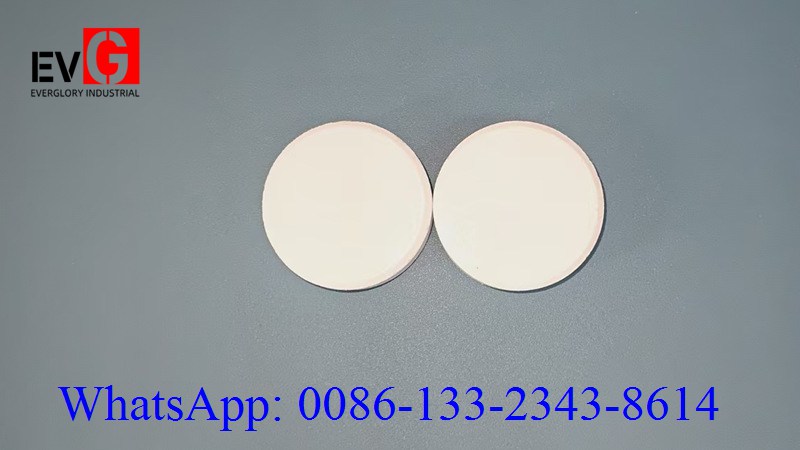
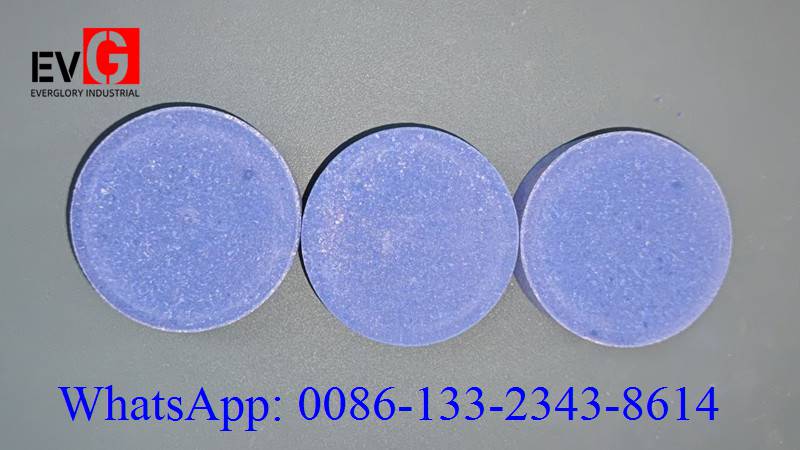
| Appearance | White granular powder | White powder, granules, or tablets |
| UN Number | UN 2465 (Class 5.1) | UN 2468 (Class 5.1) |
| CYA Release | Yes | Yes |
Chlorine Content: TCCA Wins on Concentration
TCCA contains 90% available chlorine — the highest of any solid chlorine disinfectant. This means you need significantly less product by weight to achieve the same chlorine residual. SDIC contains only 60-64% available chlorine, meaning you'll need approximately 50% more SDIC by weight to match TCCA's chlorine output.
For high-volume applications, this concentration difference translates directly to shipping and storage cost savings — higher chlorine content means less product to transport and warehouse per unit of active chlorine.
Solubility & Dissolution: SDIC Wins on Speed
This is where SDIC has a clear advantage. SDIC's solubility in water (25 g/100 mL) is more than 20 times higher than TCCA (1.2 g/100 mL). This means:
- SDIC dissolves almost instantly — perfect for applications requiring immediate chlorine availability (spa dosing, rapid pool adjustments, emergency disinfection)
- TCCA dissolves slowly — ideal for sustained-release applications (pool floaters, automatic feeders, slow disinfection over days)
This is why SDIC is the preferred choice for spas and hot tubs (small volumes needing quick adjustment), while TCCA dominates pool maintenance (large volumes needing sustained dosing).
pH Impact: SDIC Is Nearly Neutral
SDIC is one of the few chlorine products that is pH-neutral (6.0-7.0 in 1% solution). This is a significant advantage in applications where pH control is difficult or undesirable:
- In spas and hot tubs, where water volume is small and pH swings rapidly
- In industrial processes where the pH must remain within a narrow range
- When treating sensitive surfaces or materials that could be damaged by acidic or alkaline chemicals
TCCA, with its acidic pH of 2.7-3.0, will gradually lower the pH of treated water. In pool applications, this means you'll need to periodically add pH increaser (sodium carbonate). For drinking water treatment, the pH depression is usually manageable but must be monitored.
Cyanuric Acid Content
Both SDIC and TCCA release cyanuric acid (CYA) as a byproduct when they dissolve in water. CYA acts as a UV stabilizer, protecting chlorine from sunlight degradation. However, the amount of CYA released differs:
| Product | CYA Released per ppm Chlorine | CYA Buildup Rate |
|---|---|---|
| SDIC (60% chlorine) | ~0.9 ppm CYA per 1 ppm chlorine | Faster (lower chlorine = more CYA per dose) |
| TCCA (90% chlorine) | ~0.6 ppm CYA per 1 ppm chlorine | Slower (higher chlorine = less CYA per dose) |
This means SDIC causes faster CYA accumulation than TCCA. If you use SDIC regularly, monitor CYA levels more frequently (weekly) and perform partial water replacement when CYA exceeds 50 ppm for outdoor pools or 20 ppm for indoor pools.
Cost Comparison
On a per-kilogram basis, SDIC is typically 10-20% cheaper than TCCA. However, because TCCA has 50% more available chlorine, the cost per unit of active chlorine favors TCCA:
| Cost Factor | SDIC (60% Cl) | TCCA (90% Cl) |
|---|---|---|
| Price per kg (approximate) | $1.80-$2.50 | $2.20-$3.00 |
| Active chlorine per kg | 600g | 900g |
| Cost per kg active chlorine | $3.00-$4.17 | $2.44-$3.33 |
| Shipping cost per kg active Cl | Higher (more product needed) | Lower (less product needed) |
For bulk B2B purchasing, TCCA is generally more economical per unit of active chlorine. SDIC's price advantage makes sense for applications where its fast dissolution or neutral pH is specifically required.
Which Should You Choose?
| Choose SDIC if... | Choose TCCA if... |
|---|---|
| You need fast dissolution (spas, hot tubs, emergency dosing) | You need sustained release (pool maintenance, floaters, feeders) |
| pH neutrality is important (sensitive applications) | Maximum chlorine concentration per kg matters (bulk shipping) |
| You're treating small water volumes needing frequent adjustment | You're treating large volumes needing steady chlorine levels |
| Granular form is preferred over tablets | Tablet form is preferred for slow-release dosing |
| Indoor applications where fast-acting chlorine is needed | Outdoor applications needing UV-protected sustained chlorine |
Frequently Asked Questions
Is SDIC the same as dichlor?
Yes. SDIC (sodium dichloroisocyanurate) is commonly referred to as "dichlor" in the pool industry. It's also sold under names like sodium troclosene, Aquabrite, and CDB-63. All refer to the same chemical compound with 60-64% available chlorine. When you see "dichlor" on pool product labels, it's SDIC.
Can I mix SDIC and TCCA?
Never mix SDIC and TCCA in their dry, concentrated forms. Both are strong oxidizers, and mixing different chlorine compounds can cause violent chemical reactions including fire and toxic gas release. You can use both in the same pool at different times (e.g., TCCA tablets for maintenance and SDIC granules for shock), but allow at least 30 minutes between applications and ensure the first chemical is fully dissolved before adding the second.
Which is better for swimming pools: SDIC or TCCA?
For most swimming pools, TCCA is the better choice for daily maintenance because its slow dissolution provides consistent chlorine levels over several days, and the tablet form is convenient for floaters and automatic feeders. SDIC is better for spas, hot tubs, and situations where you need rapid chlorine adjustment. For shock treatment in pools, calcium hypochlorite is generally preferred over both SDIC and TCCA because it doesn't add cyanuric acid.
Does SDIC or TCCA have more chlorine?
TCCA contains 90% available chlorine, while SDIC contains 60-64% available chlorine. TCCA has approximately 50% more active chlorine per unit weight. This means you need about 1.5 kg of SDIC to equal the chlorine output of 1 kg of TCCA.
Which is more stable in storage: SDIC or TCCA?
TCCA has slightly better storage stability, retaining its effectiveness for 1-2 years when stored properly. SDIC has a shelf life of approximately 1-2 years as well but is somewhat more hygroscopic (absorbs moisture more readily), which can accelerate decomposition if not kept in tightly sealed containers. Both should be stored in cool, dry conditions away from organic materials and incompatible chemicals.