Blog
TCCA vs Calcium Hypochlorite Comparison Guide
TCCA vs Calcium Hypochlorite: Which Is Better for Water Treatment?
When choosing a chlorine-based disinfectant for water treatment, two of the most widely used compounds are Trichloroisocyanuric acid (TCCA) and calcium hypochlorite (cal hypo). Both are effective sanitizers, but they differ significantly in chlorine content, solubility, stability, and ideal applications. Understanding these differences is critical for selecting the right chemical for your specific use case — whether you're treating drinking water, maintaining a swimming pool, or managing industrial process water.
As a manufacturer of both calcium hypochlorite granular and TCCA products, we at Everglory Industrial have compiled this comparison to help procurement managers, water treatment engineers, and pool service professionals make an informed decision.
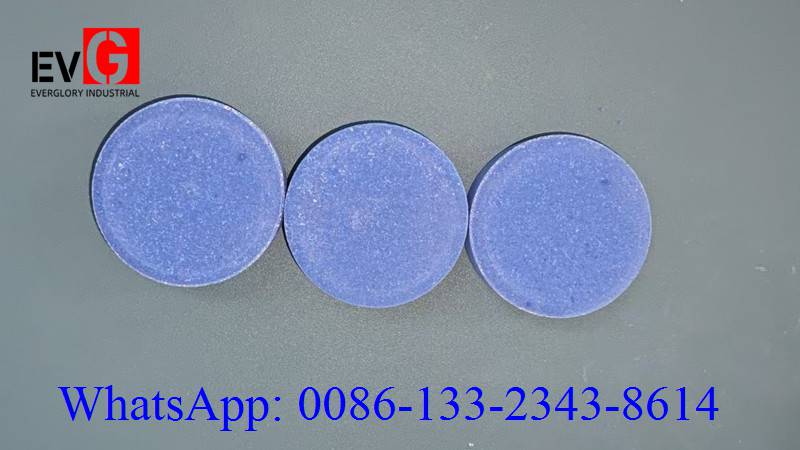
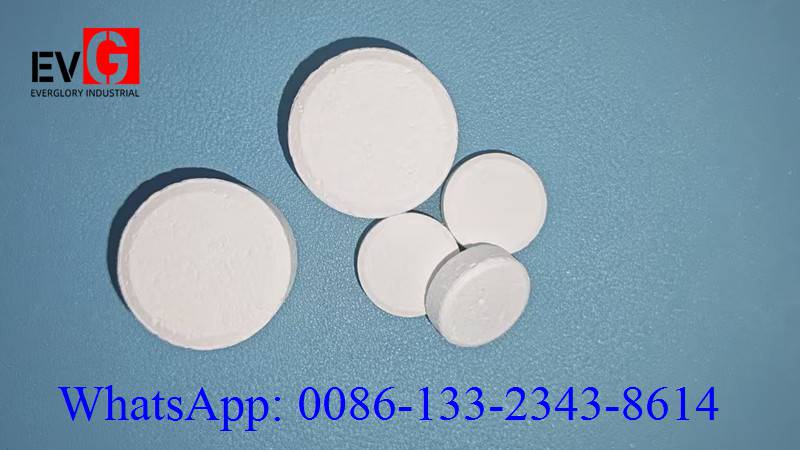
Quick Comparison Table
| Property | TCCA (Trichloroisocyanuric Acid) | Calcium Hypochlorite (Cal Hypo) |
|---|---|---|
| Chemical Formula | C3Cl3N3O3 | Ca(ClO)2 |
| Available Chlorine | 90% | 65–75% |
| pH of 1% Solution | 2.7–3.0 (acidic) | 10.8–11.0 (alkaline) |
| Solubility in Water (25°C) | 1.2 g/100 mL | 21 g/100 mL |
| Dissolution Rate | Slow (ideal for sustained release) | Fast (ideal for shock treatment) |
| Stability in Storage | Excellent (1–2 years) | Good (6–12 months, degrades faster) |
| Cyanuric Acid Residue | Yes (acts as UV stabilizer) | No |
| Calcium Residue | No | Yes (increases water hardness) |
| Typical Forms | Tablets, granules, powder | Granules, tablets, briquettes |
| Best For | Sustained disinfection, outdoor pools | Shock treatment, rapid disinfection |
Chlorine Content and Release Mechanism
TCCA contains 90% available chlorine — the highest among all solid chlorine disinfectants. This means less product is needed to achieve the same chlorine residual. However, TCCA releases chlorine slowly because it dissolves gradually in water, making it ideal for applications requiring sustained disinfection over hours or days.
Calcium hypochlorite contains 65–75% available chlorine (our standard grade is 70%). While the chlorine percentage is lower, cal hypo dissolves rapidly and releases free chlorine immediately. This makes it the preferred choice for shock chlorination — the process of rapidly raising chlorine levels to kill contaminants, bacteria, and algae.
pH Impact on Water
This is one of the most important practical differences:
- TCCA has an acidic pH (2.7–3.0). When added to water, it lowers the pH. In swimming pool applications, this means you'll need to add a pH increaser (sodium carbonate) to maintain the ideal pH range of 7.2–7.6. However, the acidic nature makes TCCA self-limiting in some applications — it won't raise pH excessively.
- Calcium hypochlorite has an alkaline pH (10.8–11.0). It raises the pH of treated water. In pool maintenance, this means you may need a pH decreaser (muriatic acid or sodium bisulfate). For drinking water treatment, the pH rise is usually manageable within normal dosing ranges.
For industrial water treatment where pH control is critical, the choice between TCCA and cal hypo often depends on the existing water chemistry and whether pH adjustment chemicals are readily available.
UV Stability and Cyanuric Acid
TCCA releases cyanuric acid (CYA) as a byproduct when it dissolves. CYA acts as a UV stabilizer that protects chlorine from degradation by sunlight. This is a significant advantage for outdoor swimming pools and open water storage tanks — CYA can extend the effective life of chlorine by 3–5x under direct sunlight.
However, CYA buildup is a double-edged sword. If CYA levels exceed 50 ppm, it over-stabilizes the chlorine and reduces its sanitizing effectiveness. This is why TCCA is not recommended for indoor pools or applications where sunlight degradation is not a concern.
Calcium hypochlorite does not contain CYA. This means:
- No risk of CYA buildup or over-stabilization
- Chlorine degrades faster in sunlight (unless CYA is added separately)
- Better suited for indoor applications, drinking water, and situations where CYA is undesirable
Calcium Hardness Consideration
Calcium hypochlorite adds calcium to the water. For swimming pools, this can be beneficial if the source water has low calcium hardness (below 200 ppm), but problematic if hardness is already high (above 400 ppm), as it can lead to scaling and cloudy water.
TCCA does not add calcium, making it the preferred choice when calcium hardness is already at optimal levels or when calcium deposits must be avoided (e.g., in cooling towers, reverse osmosis systems, or food processing).
Storage and Handling
TCCA is more stable in storage, with a shelf life of 1–2 years when kept in a cool, dry place. It's less reactive with organic materials but should still be kept away from ammonia, acids, and other incompatible chemicals.
Calcium hypochlorite is more reactive and has a shorter shelf life (6–12 months). It must be stored in a cool, dry, well-ventilated area away from combustible materials. Cal hypo can generate heat and oxygen when contaminated with organic materials — a critical safety consideration for warehouse storage and shipping.
⚠️ Safety Note
Never mix TCCA and calcium hypochlorite together in concentrated form. Mixing different chlorine compounds can cause violent chemical reactions, including fire and toxic gas release. Always fully dissolve and flush application equipment between switching chemicals.
Cost Comparison
On a per-kilogram basis, TCCA is typically more expensive than calcium hypochlorite. However, because TCCA has a higher available chlorine content (90% vs 70%), the cost per unit of active chlorine is often comparable. When factoring in the longer shelf life, slower dissolution rate (less product used per day), and UV protection, TCCA can be more cost-effective for outdoor sustained-release applications.
For bulk water treatment where rapid disinfection is the priority, calcium hypochlorite remains the more economical choice due to its fast action and lower unit cost.
Which Should You Choose?
| Choose TCCA if... | Choose Calcium Hypochlorite if... |
|---|---|
| You need sustained chlorine release (daily maintenance dosing) | You need rapid chlorine increase (shock treatment) |
| The application is outdoors (UV protection needed) | The application is indoors or in enclosed systems |
| You want to avoid increasing calcium hardness | Low calcium hardness needs to be corrected |
| Long storage life is important (seasonal use) | Product will be used within 6 months |
| You're maintaining a residential or commercial pool | You're treating drinking water or industrial process water |
Frequently Asked Questions
Can I use TCCA and calcium hypochlorite together?
You can use both in the same water system at different times — for example, using TCCA tablets for daily maintenance and calcium hypochlorite for weekly shock treatment. However, never mix the two in their concentrated dry form, as this can cause a dangerous chemical reaction. Always allow one chemical to fully dissolve and circulate before adding the other.
Which has more chlorine: TCCA or calcium hypochlorite?
TCCA contains 90% available chlorine, while calcium hypochlorite typically contains 65–75% available chlorine. TCCA has the highest available chlorine content of any solid chlorine disinfectant. However, calcium hypochlorite releases its chlorine faster, which may be more important than total chlorine content for certain applications.
Is TCCA safe for drinking water treatment?
Yes, TCCA is approved for drinking water treatment by WHO and many national standards. However, the cyanuric acid residue means it's generally not recommended for municipal drinking water systems where CYA accumulation is a concern. Calcium hypochlorite (NSF/ANSI 60 certified) is more commonly used for drinking water treatment.
Does TCCA expire faster than calcium hypochlorite?
No — TCCA actually has a longer shelf life. When stored properly in a cool, dry environment, TCCA retains its effectiveness for 1–2 years. Calcium hypochlorite typically degrades within 6–12 months, losing approximately 3–5% of its available chlorine per month after the first six months.
Which is better for swimming pools?
For outdoor pools, TCCA is generally preferred for daily maintenance because its slow-release tablets provide consistent chlorine levels and the cyanuric acid protects against UV degradation. For shock treatment (superchlorination), calcium hypochlorite is the standard choice due to its fast dissolution and high immediate chlorine release. Many pool professionals use both: TCCA for maintenance and cal hypo for shocking.