News
Chlorine Tablets vs Granules: Which Is Better for Pool Maintenance?
When it comes to pool and water treatment chlorination, the choice between chlorine tablets and chlorine granules is one of the most common questions we hear from pool operators, facility managers, and distributors. Both forms deliver chlorine to disinfect water, but they differ significantly in how they dissolve, how they're applied, and what scenarios they're best suited for.
As a manufacturer producing both chlorine tablets and chlorine granules for pools, we've created this guide to help you make the right choice based on your specific application, maintenance routine, and water treatment goals.
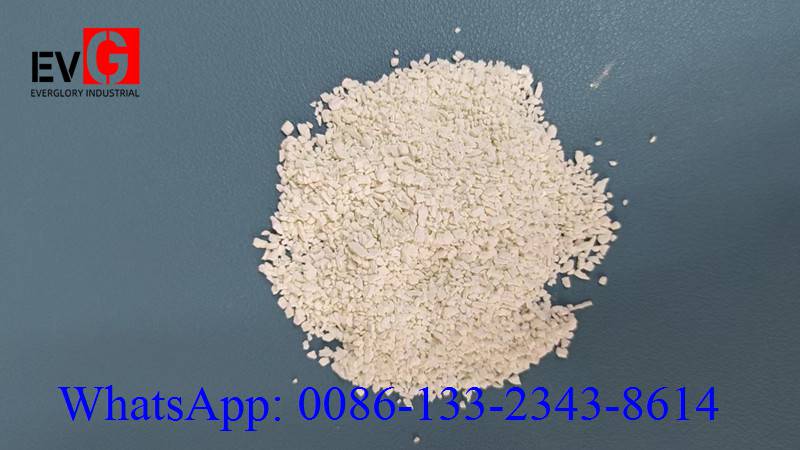
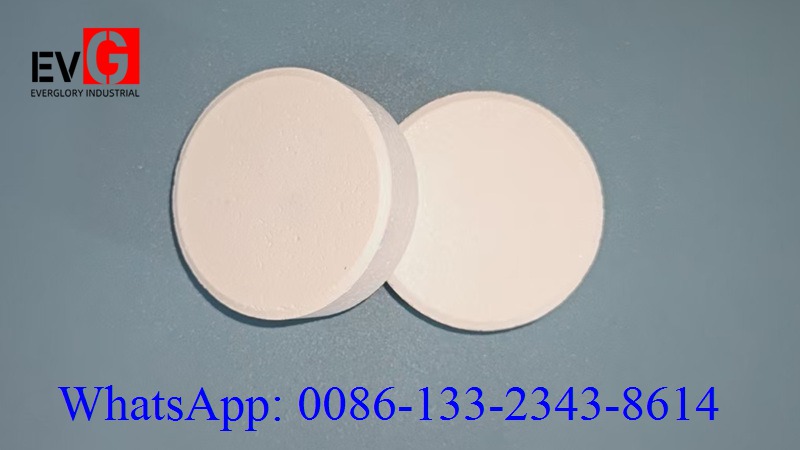
Quick Comparison: Tablets vs Granules
| Feature | Chlorine Tablets | Chlorine Granules |
|---|---|---|
| Dissolution Rate | Slow (days to weeks) | Fast (minutes to hours) |
| Application Method | Skimmer, floater, or automatic feeder | Broadcast or pre-dissolved |
| Primary Use | Daily maintenance sanitizing | Shock treatment & spot dosing |
| Convenience | Very convenient — set and forget | Requires manual measurement each time |
| Cost per Use | Lower (slow release = less waste) | Higher (faster consumption) |
| Chlorine Consistency | Steady, continuous dosing | Spike then gradual decline |
| Best For | Ongoing maintenance | Quick correction & shocking |
Chlorine Tablets: Sustained Release for Daily Maintenance
Chlorine tablets are compressed, slow-dissolving pucks designed to release chlorine gradually over several days or weeks. They're the backbone of routine pool maintenance for residential and commercial pools.
Advantages of Tablets
- Set-and-forget convenience: Place tablets in a floating dispenser, skimmer basket, or automatic chlorinator and they maintain chlorine levels for days without intervention.
- Consistent chlorine levels: Slow dissolution provides a steady, predictable chlorine residual — no spikes or drops.
- Cost-effective over time: Because they dissolve slowly, there's minimal waste from over-application.
- Available in multiple sizes: 3-inch tablets (200g) for large pools, 1-inch tablets (20g) for small pools and spas.
- UV protection (TCCA tablets): Trichlor tablets release cyanuric acid, which protects chlorine from sunlight degradation.
Limitations of Tablets
- Not suitable for shock treatment: The slow dissolution rate means tablets can't raise chlorine levels quickly enough for superchlorination.
- Acidic pH (TCCA tablets): Trichlor tablets have a pH of 2.7–3.0, which will gradually lower your pool's pH and require adjustment.
- CYA accumulation: TCCA tablets release cyanuric acid, which builds up over time and can over-stabilize the pool.
- Not for immediate correction: If chlorine drops to zero, tablets won't restore safe levels quickly enough.
Chlorine Granules: Fast Action for Shock and Correction
Chlorine granules are loose, fast-dissolving particles that release chlorine immediately when added to water. They're the go-to choice for shock treatment, rapid chlorine correction, and applications where precise dosing control is needed.
Advantages of Granules
- Rapid chlorine delivery: Dissolves within minutes, providing an immediate boost to chlorine levels — essential for shock treatment.
- Precise dosing: Measure exactly the amount needed based on water volume and current chlorine levels. No over- or under-dosing.
- Flexible application: Can be broadcast directly, pre-dissolved, or used as a spot treatment for problem areas.
- No CYA buildup: Calcium hypochlorite granules don't add cyanuric acid, making them ideal for indoor pools and water with existing high CYA levels.
- Effective for algae treatment: High-dose granular chlorine is the most effective way to kill algae and clear green pools.
Limitations of Granules
- Requires manual handling: Each application requires measuring, which is more labor-intensive than tablets.
- Short-lived effect: Chlorine from granules dissipates more quickly — you'll need to reapply every few days for maintenance.
- Safety considerations: Handling loose granules increases exposure risk. Always wear gloves and eye protection.
- UV vulnerability: Cal hypo granules don't contain CYA, so chlorine degrades faster in sunlight unless CYA is present in the water.
Which Should You Choose?
The answer isn't either/or — most pool professionals use both. Here's the recommended approach:
Use Tablets For:
- Daily maintenance — keeping chlorine at 1–3 ppm continuously
- Outdoor pools — TCCA tablets provide UV protection via cyanuric acid
- Convenience — when you can't check the pool daily
- Large pools — 3-inch tablets in an automatic feeder provide week-long coverage
Use Granules For:
- Shock treatment — weekly superchlorination to break down chloramines
- Algae treatment — fast, high-dose application to kill algae blooms
- After heavy use — parties, storms, or contamination events
- Opening/closing pools — seasonal heavy-duty treatment
- Indoor pools — where CYA from tablets would accumulate without UV benefit
Best Practice: Use TCCA tablets in a feeder for daily maintenance (provides steady chlorine + UV protection) and calcium hypochlorite granules for weekly shock (fast-acting, no CYA addition). This combination gives you the best of both worlds and avoids CYA buildup from over-relying on tablets.
Cost Comparison
On a per-kilogram basis, chlorine tablets are typically slightly more expensive than granules due to the compression and manufacturing process. However, because tablets dissolve slowly with minimal waste, the cost per month of pool maintenance is usually lower with tablets. Granules, while cheaper per kg, are consumed faster and require more frequent application.
| Factor | Tablets | Granules |
|---|---|---|
| Unit Cost | Slightly higher | Slightly lower |
| Monthly Usage | Lower (slow release) | Higher (fast consumption) |
| Labor Cost | Minimal (weekly refilling) | Moderate (frequent measuring) |
| Overall Monthly Cost | Lower | Higher |
Frequently Asked Questions
Can I use chlorine tablets and granules in the same pool?
Yes — in fact, this is the recommended approach. Use tablets for daily maintenance (steady chlorine residual) and granules for weekly shock treatment (rapid superchlorination). Just never mix the two in their dry, concentrated form, and never put granules in a chlorinator designed for tablets. Allow at least 30 minutes between adding different chlorine products to the water.
Are chlorine tablets or granules better for above-ground pools?
For above-ground pools, a combination works best. Use 1-inch tablets in a floating dispenser for daily maintenance (above-ground pools typically have smaller volumes where 3-inch tablets may over-chlorinate). Use granules for shock treatment and when opening the pool for the season. Always pre-dissolve granules for vinyl-lined above-ground pools.
How long do chlorine tablets last compared to granules?
In storage, both forms have similar shelf lives (1–2 years for TCCA tablets, 6–24 months for cal hypo granules). In the pool, a 3-inch TCCA tablet lasts 5–7 days in a floater (depending on water temperature and flow), while granules dissolve within minutes and their chlorine effect lasts 1–3 days before requiring reapplication.
Can I crush chlorine tablets to use as granules?
No — this is dangerous and not recommended. Crushing tablets creates fine dust that's easily inhaled and can cause respiratory irritation. The particle size is also inconsistent, leading to uneven dissolution. Additionally, crushing TCCA tablets creates a concentrated dust that can react with moisture, ammonia, or organic materials. Always purchase granules and tablets in their intended forms.
Which is more cost-effective: tablets or granules?
Tablets are generally more cost-effective for ongoing maintenance because their slow-release design minimizes waste and requires less frequent application. Granules are more cost-effective for shock treatment, since you only need them periodically (weekly or as needed). The most economical approach is using tablets for daily maintenance and granules only for shocking.