Blog
How to Shock a Pool with Calcium Hypochlorite: Step-by-Step Guide
Pool shocking — also called superchlorination — is the process of adding a large dose of chlorine to your swimming pool to eliminate bacteria, algae, chloramines, and other contaminants. Regular shocking is essential for maintaining clean, safe, and clear pool water, especially during heavy use periods or after rainstorms.
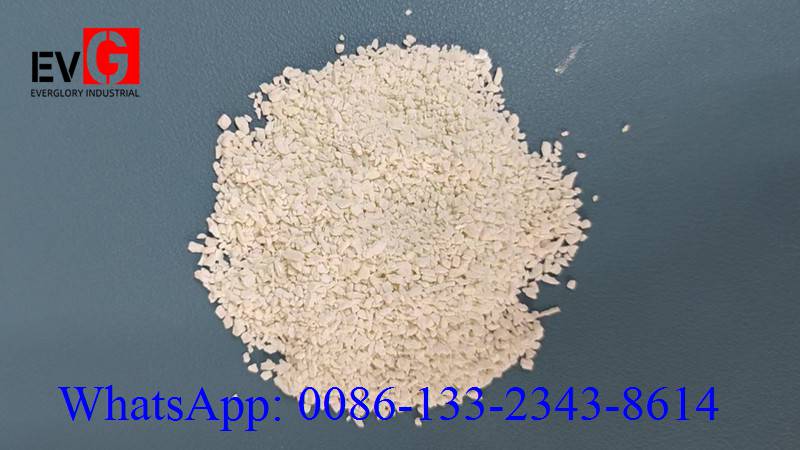
Calcium hypochlorite (cal hypo) is the most popular pool shock chemical because it dissolves quickly, delivers 65–75% available chlorine, and doesn't add cyanuric acid to the water. This guide walks you through the entire process — from calculating the right dosage to post-shock maintenance — with professional tips from our manufacturing team at Everglory Industrial.
What Does "Shocking" a Pool Mean?
In a properly maintained pool, free chlorine (the active sanitizer) kills bacteria and oxidizes contaminants. However, when chlorine combines with nitrogen-containing compounds (sweat, urine, sunscreen, organic debris), it forms chloramines — combined chlorine that is far less effective as a sanitizer and causes the "chlorine smell," eye irritation, and cloudy water.
Shocking raises the chlorine level high enough (typically 10x the chloramine level) to break down chloramines through oxidation. This is called "breakpoint chlorination." The process converts harmful chloramines back into free chlorine and inert nitrogen gas.
When Should You Shock Your Pool?
Shock your pool in these situations:
- Weekly routine: Every 7–10 days during swimming season (or every 5 days in hot weather)
- After heavy use: Pool parties, large groups of swimmers
- After rainstorms: Rain dilutes chlorine and introduces contaminants
- When chloramines exceed 0.2 ppm: Test combined chlorine; if above 0.2 ppm, shock immediately
- Algae bloom: Green or cloudy water requires immediate shock treatment
- Strong chlorine odor: Counterintuitively, a strong chlorine smell means you need MORE chlorine (to break down chloramines), not less
Pro Tip: Always shock your pool in the evening or at dusk. Sunlight degrades free chlorine rapidly — shocking at night allows the chlorine to work overnight without UV loss. This is especially important when using calcium hypochlorite, which does not contain UV-stabilizing cyanuric acid.
How Much Calcium Hypochlorite Do You Need?
The standard shock dosage is 1 pound (450g) of calcium hypochlorite per 10,000 gallons (37,850 L) of pool water, which raises the chlorine level by approximately 5–7 ppm. Use this dosage chart for your pool size:
| Pool Volume (Gallons) | Pool Volume (Liters) | Cal Hypo 70% Needed | Chlorine Increase |
|---|---|---|---|
| 5,000 gal | 18,900 L | 0.5 lb (225g) | ~5-7 ppm |
| 10,000 gal | 37,850 L | 1.0 lb (450g) | ~5-7 ppm |
| 15,000 gal | 56,775 L | 1.5 lb (675g) | ~5-7 ppm |
| 20,000 gal | 75,700 L | 2.0 lb (900g) | ~5-7 ppm |
| 30,000 gal | 113,550 L | 3.0 lb (1,350g) | ~5-7 ppm |
| 40,000 gal | 151,400 L | 4.0 lb (1,800g) | ~5-7 ppm |
For algage treatment (green pool), double the dosage: use 2 lb per 10,000 gallons and brush the pool walls before shocking.
Step-by-Step: How to Shock Your Pool
Step 1: Test and Balance Your Water
Before shocking, test your pool water. Ideal pre-shock levels:
- pH: 7.2–7.6 (if pH is above 7.8, lower it first — high pH reduces chlorine effectiveness)
- Total Alkalinity: 80–120 ppm
- Calcium Hardness: 200–400 ppm
- Cyanuric Acid (CYA): 30–50 ppm (if above 50 ppm, you'll need more shock to compensate)
Step 2: Clean the Pool
Skim leaves and debris from the surface. Brush the pool walls and floor to dislodge algae and contaminants. Vacuum if there's visible sediment on the floor. A clean pool allows the shock to work more effectively.
Step 3: Prepare the Shock
Wear protective gloves and safety glasses. Read the product label for specific instructions. For granular calcium hypochlorite, you can either:
- Pre-dissolve (recommended for vinyl pools): Add the measured cal hypo to a bucket of warm water, stir until dissolved, then pour around the pool perimeter
- Broadcast directly (for plaster/concrete pools): With the pump running, slowly broadcast the granules evenly across the deep end of the pool, avoiding the skimmer
⚠️ Safety Warning
Always add chemical to water, never water to chemical. When pre-dissolving, fill the bucket with water FIRST, then add calcium hypochlorite. Never add cal hypo directly to the skimmer basket — concentrated chlorine can damage pool equipment and plumbing.
Step 4: Run the Pump
Run the pool pump and filter for at least 8 hours (ideally overnight) after shocking. This ensures the chlorine is evenly distributed throughout the pool and the filter can remove dead contaminants.
Step 5: Test Before Swimming
Wait until the free chlorine level drops to 1–3 ppm before swimming. This typically takes 8–24 hours depending on pool size, temperature, and organic load. Test with a reliable pool test kit — never guess based on time alone.
Common Mistakes to Avoid
- Shocking during the day — Sunlight can destroy up to 90% of the free chlorine within 2 hours. Always shock at dusk.
- Not balancing pH first — At pH 8.0, only about 20% of chlorine is in its active form. At pH 7.2, nearly 70% is active. Always lower pH before shocking.
- Adding shock through the skimmer — This sends concentrated chlorine directly into your filter and can damage equipment, especially if you use a chlorine feeder.
- Using cal hypo with other chlorine types — Never mix calcium hypochlorite with trichlor (TCCA) tablets or other chlorine compounds. This can cause a dangerous chemical reaction.
- Swimming too soon — High chlorine levels can cause skin and eye irritation. Always test before allowing swimmers back in.
- Inconsistent shocking schedule — Waiting until the pool turns green means you've waited too long. Weekly preventive shocking is far more effective than reactive treatment.
Frequently Asked Questions
How long after shocking a pool can you swim?
Wait until the free chlorine level drops to 1–3 ppm, which typically takes 8–24 hours after shocking with calcium hypochlorite. Always test the water with a reliable test kit before allowing anyone to swim. Swimming in high-chlorine water can cause skin irritation, eye burning, and respiratory discomfort.
Can I use calcium hypochlorite in a vinyl liner pool?
Yes, but always pre-dissolve calcium hypochlorite in a bucket of water before adding it to a vinyl pool. Broadcasting granules directly can settle on the vinyl liner and cause bleaching or staining. Pour the pre-dissolved solution slowly around the pool perimeter while the pump is running.
What's the difference between shock and regular chlorine?
Regular chlorine (usually TCCA tablets) is used at low doses (1–3 ppm) to maintain a residual chlorine level for daily sanitization. Shock (calcium hypochlorite) is a high-dose treatment (5–10+ ppm) designed to break down chloramines, kill algae, and oxidize contaminants. Regular chlorine sustains; shock resets the water chemistry.
Does shocking raise calcium hardness?
Yes. Calcium hypochlorite contains calcium, so repeated shocking will gradually increase your pool's calcium hardness level. If your fill water already has high calcium, monitor hardness monthly. If it exceeds 400 ppm, consider switching to a non-calcium shock (like lithium hypochlorite or potassium monopersulfate) periodically.
Can I shock and add algaecide at the same time?
It's best to shock first, wait 24 hours, then add algaecide. Chlorine shock will oxidize and break down most algaecides, making both less effective. If you have a severe algae problem, shock to kill the algae, brush and vacuum the dead algae, then add algaecide as a preventive measure once chlorine levels return to normal.