Products
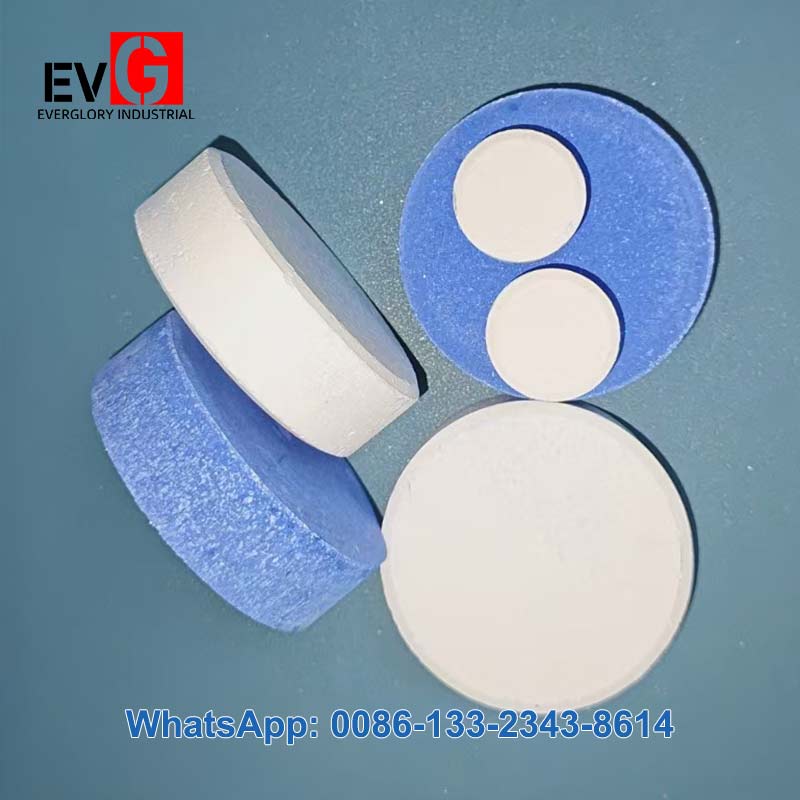
Trichloroisocyanuric acid (TCCA) is one of the world's most widely used stabilized chlorine disinfectants, valued for its exceptional 90% available chlorine content, its built-in cyanuric acid stabilization, and its safe, transportable solid form. From outdoor swimming pools in sun-drenched climates to municipal drinking water stations and humanitarian relief programs, trichloroisocyanuric acid delivers high-economy disinfection per kilogram shipped. Everglory Industrial is a dedicated exporter of TCCA 90% in granular and tablet forms, supplying B2B buyers across 60+ countries with COA, MSDS, and full UN 2468 dangerous goods documentation for every shipment.
What Is Trichloroisocyanuric Acid?
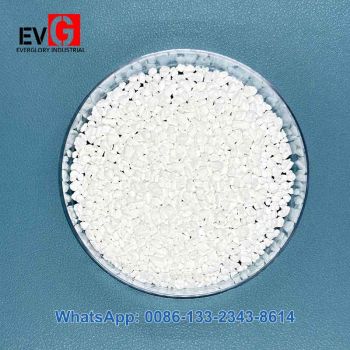
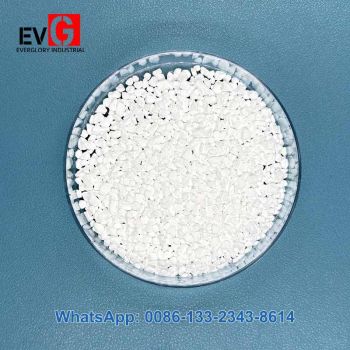
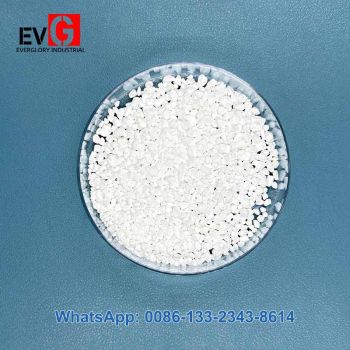
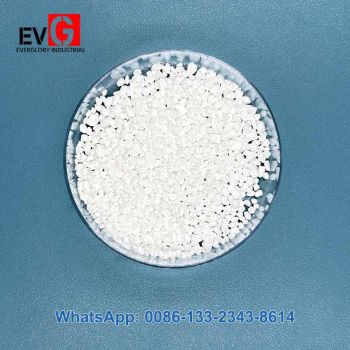
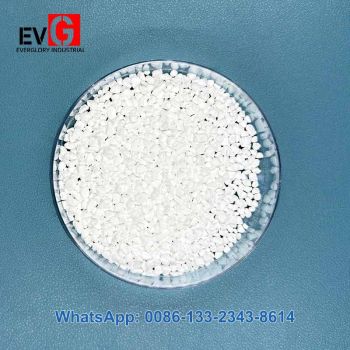
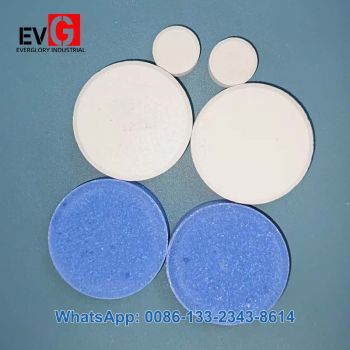
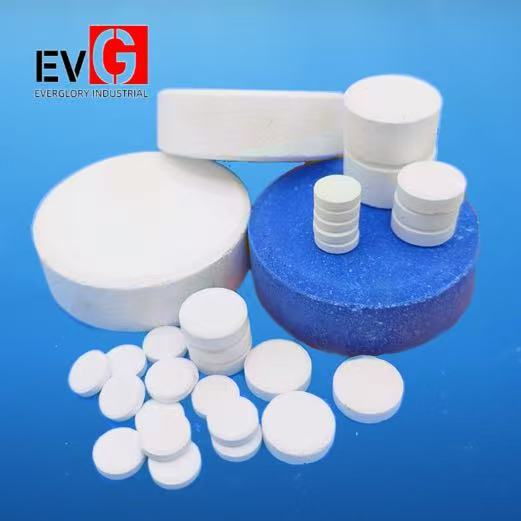
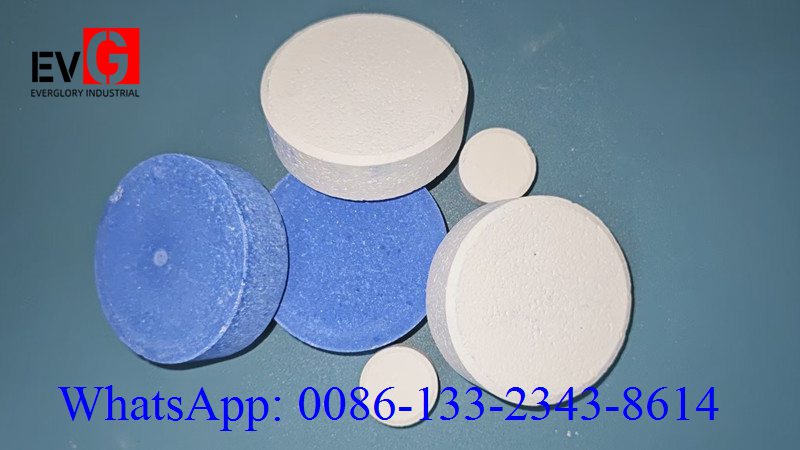
Trichloroisocyanuric acid — also known as tcca chemical in B2B trade — is an organic chlorine donor built on a cyanuric acid backbone in which three chlorine atoms replace the hydrogen atoms of the cyanuric ring. Its chemical formula is C3Cl3N3O3, with a molecular weight of 232.41 and CAS number 87-90-1. The product presents as a white crystalline solid, supplied commercially as granular material, powder, or compressed tablets, with a minimum available chlorine content of 90% — the highest of any solid chlorine disinfectant in common industrial use.
When TCCA dissolves in water, it reacts gradually to release hypochlorous acid, the active biocidal agent, while leaving behind cyanuric acid in solution. This hydrolysis behavior is what makes trichloroisocyanuric acid unique among chlorine sources: the molecule releases chlorine in a controlled, sustained manner rather than all at once, and the released cyanuric acid then shields the free chlorine from sunlight destruction. The result is a disinfectant that is both concentrated and persistent — a combination that calcium hypochlorite and chlorine gas cannot offer.
Key Properties of TCCA
How Cyanuric Acid Stabilization Works
Free chlorine in outdoor water is destroyed by ultraviolet radiation through a photolysis process: UV light breaks down hypochlorous acid into chloride ions and oxygen radicals, and in direct sunlight an unstabilized pool can lose more than half of its free chlorine within two hours. This is why unstabilized chlorine sources demand frequent re-dosing in outdoor applications, driving up chemical consumption and labor costs.
Trichloroisocyanuric acid solves this problem structurally. Each molecule contains approximately 55-58% cyanuric acid by weight, which is released into the water as the TCCA dissolves. The cyanuric acid molecules form weak reversible bonds with free chlorine, shielding the chlorine from UV photolysis without preventing it from performing its disinfection function. When a pathogen or contaminant consumes the chlorine, the equilibrium releases fresh chlorine from the cyanurate reserve.
In practical terms, stabilized chlorine persists 3 to 5 times longer in sunlight than unstabilized chlorine. For B2B buyers serving outdoor pool markets in Africa, the Middle East, Latin America, and Southeast Asia, this translates directly into lower dosage frequency, reduced product consumption per season, and more stable water quality — the core commercial argument for trichloroisocyanuric acid over non-stabilized alternatives.
Trichloroisocyanuric Acid Uses Across Industries
- Swimming pool disinfection: The dominant application for trichloroisocyanuric acid worldwide. Outdoor residential and commercial pools rely on TCCA tablets for continuous, sun-resistant chlorination with weekly rather than daily dosing
- Municipal drinking water treatment: Small and mid-size water works in tropical regions use TCCA as a transportable, stable chlorine source where chlorine gas infrastructure is unavailable or unsafe to operate
- Hospital and medical surface disinfection: Dissolved TCCA solutions provide high-strength surface disinfection for clinics, ambulances, and laboratory environments at precisely controllable concentrations
- Aquaculture: Fish and shrimp hatcheries apply measured TCCA doses for water disinfection and pond preparation between production cycles
- Industrial circulating cooling water: TCCA controls microbiological growth and biofilm in cooling towers and recirculating systems, improving heat-exchange efficiency and limiting Legionella risk
- Emergency and humanitarian water treatment: Relief agencies stock TCCA tablets for rapid-deployment water purification after natural disasters and in refugee settings, where compact weight and long shelf life are critical
Product Forms & Specifications
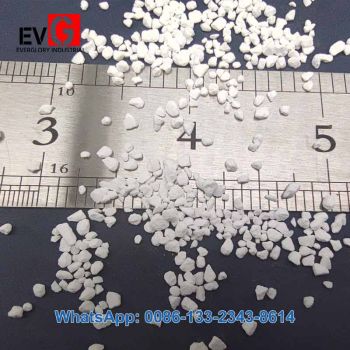
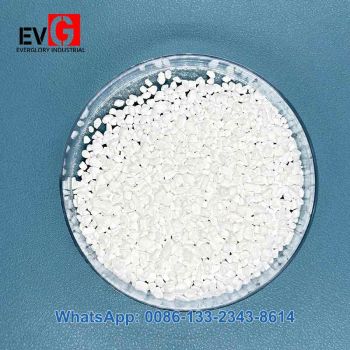
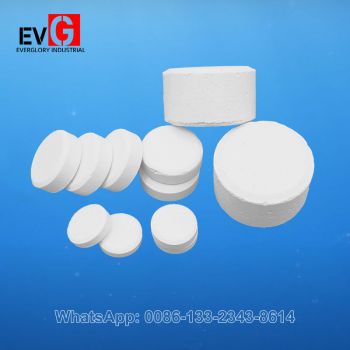
The trichloroisocyanuric acid granules form is the most widely traded grade of TCCA trichloroisocyanuric acid, sized 8-30 mesh for uniform dissolution in pool and water treatment feed systems. The full form matrix is summarized below:
TCCA vs Other Chlorine Sources
The comparison shows why trichloroisocyanuric acid dominates outdoor stabilized applications, while calcium hypochlorite is preferred where fast action and pH elevation are acceptable, and SDIC suits frequent-dose neutral-pH regimes. Note that TCCA's acidic reaction means continuous use gradually lowers water pH, which operators manage with periodic alkalinity adjustment.
Safety & Handling
- Oxidizer classification: Trichloroisocyanuric acid is a UN 2468 Class 5.1 oxidizing substance. It intensifies fires and must be kept away from combustible and organic materials at all times during storage and transport
- Never mix with calcium hypochlorite or acids: TCCA reacts violently — potentially explosively — with calcium hypochlorite and with acidic compounds. Mixing different chlorine products or residual chemicals in the same container, feeder, or dosing vessel is strictly prohibited
- Personal protective equipment: Handlers must wear chemical-resistant gloves, safety goggles, and a dust mask when handling granular TCCA. Work in ventilated areas and wash hands thoroughly after contact
- Spill response: Sweep up dry spills without adding water, collect into a clean dry container, and dispose of according to local regulations. Never hose TCCA spills into drains, as concentrated solutions can release irritating chlorine gas
- Storage segregation: Store sealed drums in a cool, dry, ventilated area separated from acids, ammonia compounds, reducing agents, oils, and sawdust or other organic absorbents. Keep drums closed and never return unused product to the original drum
Packaging & Export Documentation
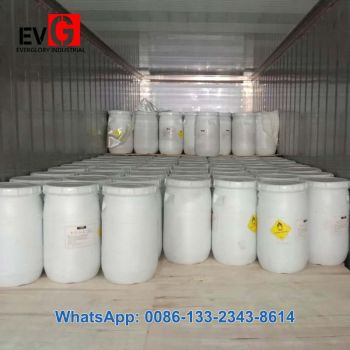
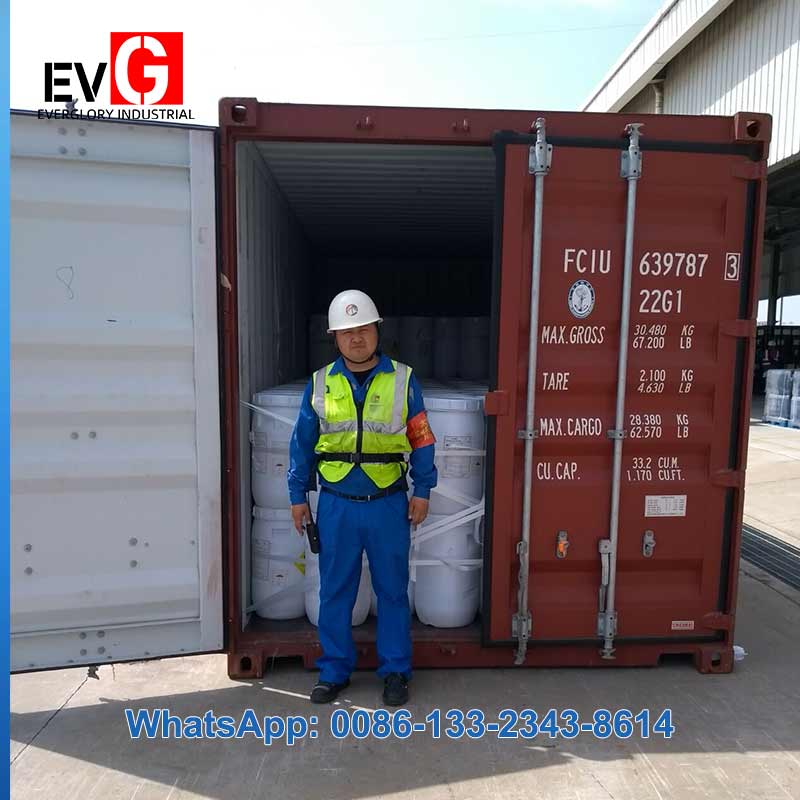
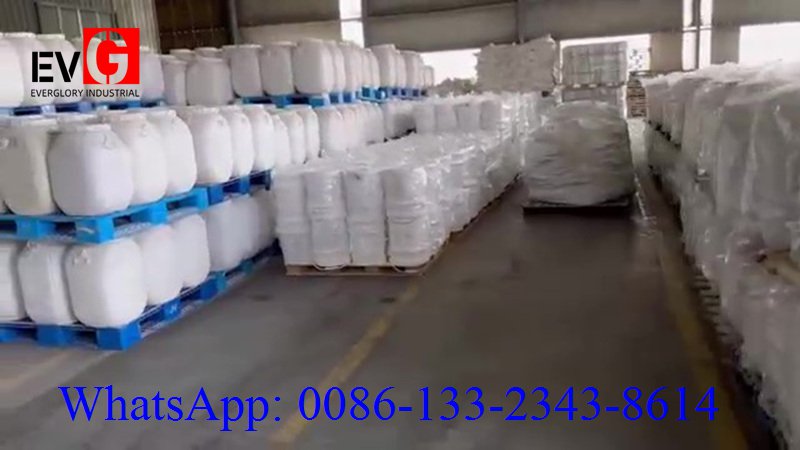
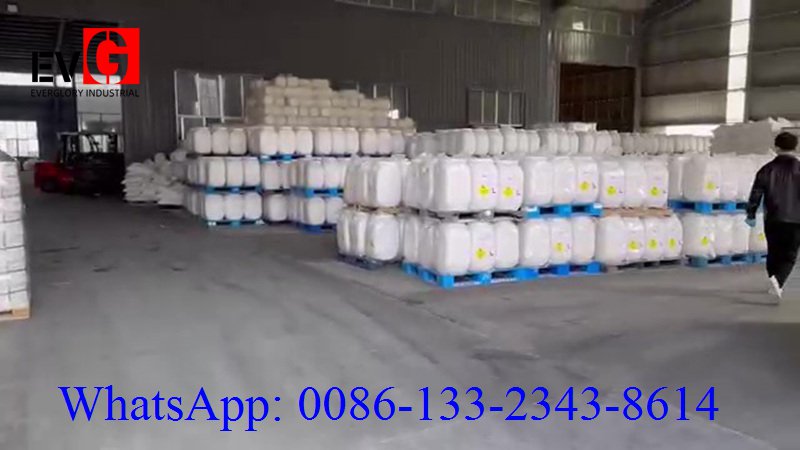
All trichloroisocyanuric acid shipments from Everglory Industrial are packed in UN 2468 certified plastic drums with inner liners, fully compliant with IMDG maritime dangerous goods regulations:
Every export shipment travels with a complete documentation set: Certificate of Analysis (COA), Material Safety Data Sheet (MSDS) in English, French, or Spanish, UN 2468 dangerous goods declaration, Certificate of Origin (COO), commercial invoice, and packing list. This paperwork package ensures smooth customs clearance at destination ports in all major markets.
Frequently Asked Questions
Q: What is the CAS number of trichloroisocyanuric acid?
The CAS number of trichloroisocyanuric acid is 87-90-1. Its chemical formula is C3Cl3N3O3 with a molecular weight of 232.41, and it is classified for transport as UN 2468, Class 5.1 oxidizer.
Q: Is TCCA safe for drinking water treatment?
Yes. Trichloroisocyanuric acid is widely used for drinking water disinfection in small and mid-size systems worldwide. When dosed correctly to achieve the required free chlorine residual, TCCA-treated water meets WHO guidelines for potable use. Operators should monitor cyanuric acid levels in recirculating systems and use test kits to verify residuals.
Q: What is the difference between TCCA and SDIC?
TCCA contains 90% available chlorine and dissolves slowly with an acidic pH effect, making it ideal for sustained outdoor dosing. SDIC (sodium dichloroisocyanurate) contains 56-60% available chlorine, dissolves quickly, and is near-neutral in pH, suiting rapid-dose and neutral-pH applications. Both are cyanurate-stabilized chlorines; they differ in chlorine concentration and dissolution behavior.
Q: What is the HS code for trichloroisocyanuric acid?
Trichloroisocyanuric acid is exported under HS code 293369, covering heterocyclic compounds with nitrogen. We declare this code on all commercial invoices and certificates of origin, and our documentation team can confirm import requirements for your specific customs jurisdiction.
Q: What is your minimum order quantity for trichloroisocyanuric acid?
Our standard MOQ is 1 metric ton for trial orders. Regular buyers typically order full 20ft containers for the best landed cost. OEM private label orders start at 5 tons. Contact our sales team with your target volume for a tailored quotation including freight.
Q: How is trichloroisocyanuric acid shipped as dangerous goods?
Trichloroisocyanuric acid ships as UN 2468 Class 5.1 in UN-certified plastic drums with inner liners under IMDG code. Each shipment includes the dangerous goods declaration, MSDS, and marking per regulation. We ship from major ports with experienced DG freight partners to ensure compliant handling door to door.
Need trichloroisocyanuric acid for your market? Contact Everglory Industrial today for a factory-direct quotation on TCCA 90% granular or tablets. Our export team replies within 24 hours in English, French, or Spanish, complete with COA, MSDS, and UN 2468 documentation. Send your grade, form, drum size, and destination port — we will handle the rest.